


The Magic of Hot Air
The secret behind the air fryer isn't magic, but science. These popular countertop appliances don't actually 'fry' in the traditional sense. Instead, they function like powerful miniature convection ovens, circulating superheated air around the food at high
speed. This process, known as the Maillard reaction, creates a golden-brown, crispy exterior without submerging the food in hot oil. While deep-frying drenches food in fat, air frying requires just a light brush or spray of oil, using up to 80% less oil for a similar result. This simple change dramatically reduces the overall fat and calorie content of your favourite snacks.
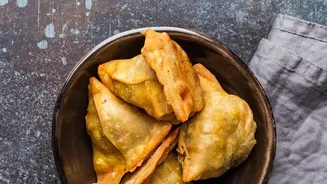
The Samosa Challenge: Crispy, Not Dry
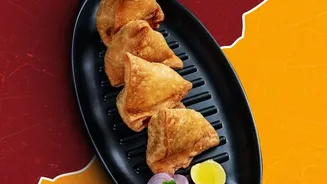
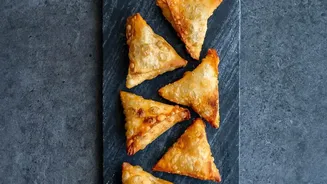
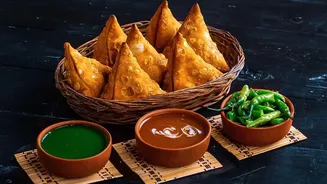
Achieving the perfect air-fried samosa is a matter of technique. The goal is a pastry that is uniformly crisp and golden, not tough or dry. The key is preparation. Whether you're using homemade or frozen samosas, lightly brushing or spraying them with a bit of oil before cooking is crucial. This helps the pastry crisp up beautifully and achieve that familiar golden hue. Preheat your air fryer, typically to around 190-200°C. Place the samosas in a single layer, ensuring they aren't overcrowded, which can lead to uneven cooking. A typical cooking cycle might be 12-15 minutes, with a flip halfway through to ensure both sides get that satisfying crunch.
Perfecting Air-Fried Chips
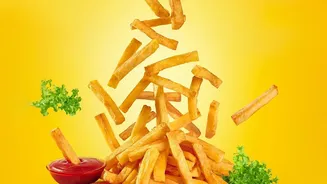
Making potato chips from scratch in an air fryer is surprisingly simple. For the best results, choose starchy potatoes like Russet or old potatoes commonly found in India. Using a mandoline slicer will give you uniformly thin slices, which is essential for even cooking. A critical step is to soak the sliced potatoes in cold water for at least 20-30 minutes. This removes excess starch, which helps the chips get crispier. After soaking, pat them completely dry—any remaining moisture will steam the potatoes instead of crisping them. Toss them with a tiny amount of oil and your favourite seasonings, like salt, chili powder, or chaat masala. Cook them in a single layer, shaking the basket every few minutes until they are golden and crunchy.
The Verdict on Taste and Texture
Let's be honest: an air-fried samosa won't taste identical to its deep-fried cousin, and that's okay. The texture of deep-fried food is rich and heavy because of the oil it absorbs. Air-fried versions are noticeably lighter and less greasy. Many find this to be a major advantage, as the flavours of the filling can shine through without being masked by oil. While some purists may miss the specific crunch that only a vat of hot oil can provide, most people agree that the difference is a small price to pay for a much healthier indulgence. You still get a satisfyingly crispy shell, but without the subsequent heaviness.
A Smarter, Healthier Indulgence
By slashing the oil content, air frying significantly cuts down on calories and unhealthy fats. A single deep-fried samosa can contain over 260 calories and absorb a substantial amount of oil, whereas an air-fried version can be closer to 150 calories. This makes it a smarter choice for those managing their weight, cholesterol, or simply trying to make healthier everyday choices without completely giving up the foods they love. Furthermore, cooking at high temperatures can form potentially harmful compounds like acrylamide; some studies suggest that air frying may reduce the formation of these compounds compared to deep-frying.