






From Mass-Produced to Artisanal
The familiar world of Indian sweets is undergoing a gourmet transformation. For decades, mithai has been associated with large-scale production, often leading to overly sweet products with a long shelf life but a short memory. Now, a new crop of entrepreneurs
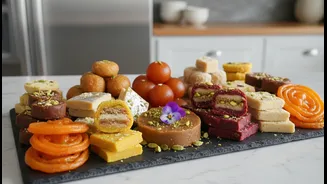
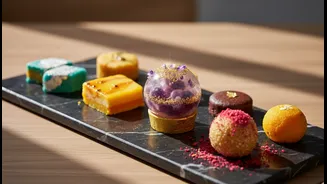
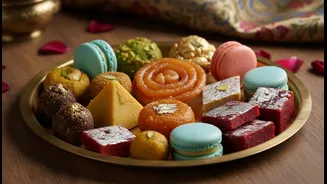
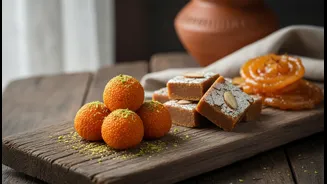
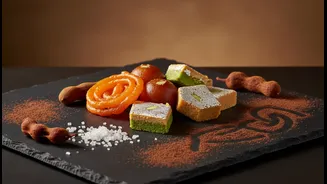
and chefs are challenging that norm. They are championing a move towards 'artisanal mithai', a term that signifies a commitment to quality over quantity. This new philosophy involves making sweets in carefully controlled small batches, using high-quality, often locally sourced ingredients, and abandoning artificial preservatives. The result is a product that is fresher, more nuanced in flavour, and far from the one-note sweetness that has come to define commercial mithai. These creators are not just making sweets; they are reviving an art form, focusing on the craft and creativity inherent in India's rich confectionary history.
The New Mithai Makers
Driving this change are brands that have become synonymous with innovation. Mumbai's Bombay Sweet Shop, for instance, has captured the imagination of a new generation by infusing traditional recipes with a playful, modern spirit, creating treats like the Patissa Bar or Kaju Marzipan Bon Bons. Their approach is about re-creation, using research and novel techniques to make the old new again. Similarly, Delhi-based Khoya has focused on elevating mithai to a luxury experience, using pure ingredients and elegant presentation to restore sweets to their former glory. Brands like Arq, founded by chefs, take a progressive approach, marrying traditional mithai with global inspirations to create alluring products like Besan Truffles. These makers share a common goal: to make people fall in love with Indian sweets all over again, not just during festivals, but as a year-round indulgence.
A Hunger for Something Different
This sweet revolution is not happening in a vacuum. It is being fueled by a clear shift in consumer tastes and priorities. Today’s Indian consumer, exposed to global culinary trends, is more discerning and experimental than ever before. There is a growing demand for products that are not just indulgent, but also mindful. This translates to a preference for mithai with balanced sweetness, authentic ingredients, and healthier profiles, such as options made with jaggery, natural fruit, or even sugar-free variants. For many, especially younger generations, mithai was being seen as 'boring' compared to western desserts. The new artisanal brands have made Indian sweets 'cool' and 'Instagram-worthy' again, blending nostalgia with novelty in a way that resonates deeply.
Every Box Tells a Story
Perhaps the most significant shift is the move from a simple product to a complete experience. The story is no longer just in the eating; it's in the entire journey from discovery to unboxing. The generic mithai box is being replaced by thoughtfully designed, often reusable packaging that reflects the brand's philosophy and the quality of the product within. Brands are using their packaging and online presence to share the narrative behind their creations—the origin of their ingredients, the revival of a forgotten recipe, or the inspiration for a new flavour combination. Gifting a box of these new-age sweets is no longer just a gesture of goodwill; it's a statement of taste and an invitation to share in a story. Presentation and narrative have become as crucial as the sweet itself, turning a simple indulgence into a memorable, curated experience.