





The Age of the Endless Food Trend
One week, social media is flooded with gravity-defying milkshakes; the next, it’s all about gourmet toast. Restaurants, in a bid to capture attention and footfalls, are locked in a constant cycle of innovation. This has given rise to fascinating fusion
concepts but also to dishes that feel more gimmicky than gratifying. When a classic samosa is pulled apart and served in a martini glass, or a traditional biryani is “reimagined” with quinoa and kale, something can get lost in translation. This isn’t to say that culinary evolution is bad—far from it. Food has always been a dynamic, evolving part of culture. The issue arises when the relentless pursuit of “new” leads to the homogenization of flavors, where unique, regional identities are sanded down to fit a globalized palate. This fatigue isn't just felt by consumers tired of seeing the same trendy items on every menu; it poses a subtle threat to the very fabric of our culinary heritage.
The Soul of a Region on a Plate
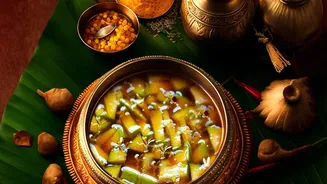
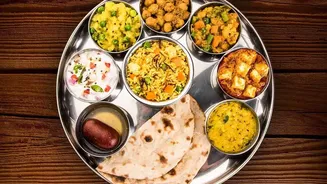
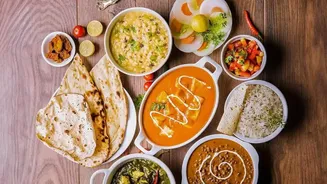
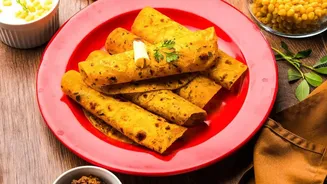
Indian food is not a monolith. It’s a vast, intricate tapestry of regional specialties, each with its own history, climate, and culture woven into its DNA. A pungent Bengali Shorshe Ilish tells a story of riverine life, while a robust Rajasthani Dal Baati Churma speaks of an arid landscape. These dishes are more than sustenance; they are edible history. They carry the memories of grandmothers, of festive celebrations, and of the specific land where their ingredients grew. Traditional recipes often rely on time-tested techniques like slow cooking (dum pukht) or using a tandoor, processes designed to develop deep, complex flavours that can’t be rushed. This stands in stark contrast to trend-driven food, which often prioritizes visual appeal and novelty over depth and historical significance.
The Kitchen as a Living Archive
If regional dishes are historical documents, then the home kitchen is the national archive where they are lovingly preserved. The simple, daily act of cooking a family meal is a powerful act of cultural stewardship. In most Indian households, recipes are heirlooms, passed down not always in written notebooks, but through observation and oral tradition. A mother teaches her child the right 'andaaz' (instinctive estimation) for spices, a technique learned from her own mother. This process of transmission ensures that the subtle nuances and specific techniques that define a dish are kept alive. It’s a living, breathing heritage that continues to evolve with each generation, yet remains firmly rooted in its origins. This direct, personal connection to food is something a commercial kitchen, however skilled, can rarely replicate.
Cooking for Love, Not 'Likes'
A key difference between home cooking and restaurant dining lies in the motivation. Commercial establishments must consider profitability, efficiency, and what’s currently trending on social media. A home cook’s primary motivation is often simpler: to nourish and show love. There is no pressure to create something “Instagrammable” or to reinvent a dish for the sake of novelty. Instead, the focus is on authenticity, comfort, and the joy of sharing a meal that connects the family to its roots. This insulates heritage recipes from the winds of trend fatigue. A home-cooked meal doesn’t need to be a mash-up of global flavors or a deconstructed piece of culinary art; its value lies in its familiarity and the memories it evokes.
A Delicious and Necessary Defense
Protecting our regional cuisines isn’t about freezing them in time or rejecting innovation. Even chefs leading the charge to preserve heritage cuisine see it as a living, evolving practice. The goal is to ensure that culinary traditions are not erased by fleeting fads. This is where home cooking becomes an essential act of delicious defiance. By continuing to cook the dishes of our grandparents, we are casting a vote for culinary diversity. We are telling the world that these flavors, these stories, and these identities matter. The recent resurgence of interest in home cooking, especially among urban youth, shows a growing desire to reconnect with these roots. This movement is not just about making healthier or more economical choices; it’s about reclaiming a piece of personal and collective identity.