



India's Seasonal Superstar
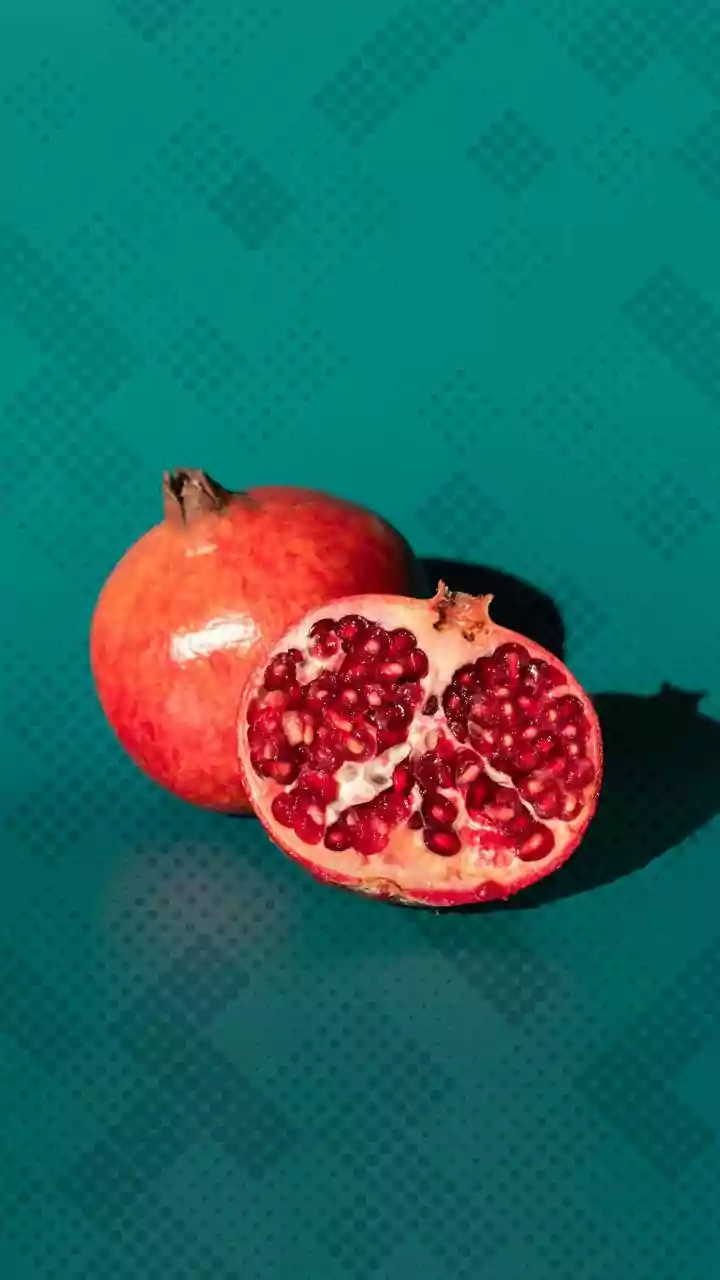
While pomegranates are cultivated in some parts of India year-round, the main harvest season for the most abundant and flavourful fruit runs from September through February. This is when markets are filled with the best of the crop, particularly from Maharashtra,
which is the country's leading producer. Choosing a fruit in its peak season means you're getting it at its freshest and most delicious, often at a better price. The fruit's tough, leathery skin gives it a long shelf life, allowing it to be enjoyed for weeks.
A Nutritional Powerhouse
Beyond its beauty, the pomegranate is packed with essential nutrients. The edible seeds, or arils, are low in calories and fat but rich in fibre, vitamins, and minerals. A single average-sized pomegranate provides a significant portion of your daily needs for Vitamin C, which is crucial for immune function, and Vitamin K. It's also a good source of potassium, which is important for heart health, and folate. The high fibre content aids digestion and promotes a healthy gut microbiome by feeding beneficial bacteria.
Rich in Powerful Antioxidants
Pomegranates are celebrated for their incredibly high concentration of antioxidants, particularly punicalagins and anthocyanins. In fact, studies suggest that pomegranate juice has more antioxidant potential than red wine or green tea. These powerful compounds help protect your body's cells from damage caused by free radicals, which can contribute to chronic diseases and aging. This antioxidant activity is the foundation for many of the fruit's health benefits, from reducing inflammation to supporting overall wellness.
Heart and Health Benefits
Regular consumption of pomegranate has been linked to several benefits for heart health. Research indicates that its compounds can help lower blood pressure and may reduce 'bad' LDL cholesterol levels. The fruit's anti-inflammatory properties are also key, as chronic inflammation is linked to many conditions, including heart disease. Some studies have even shown that pomegranate juice may help reduce plaque buildup in arteries, further supporting cardiovascular health. While more research is needed, adding pomegranate to a balanced diet is a delicious way to support your heart.
How to Pick the Perfect Fruit
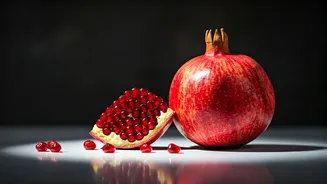
Choosing a great pomegranate is simple when you know what to look for. Don't focus solely on a deep red colour, as different varieties have different hues. Instead, pick up the fruit; it should feel heavy for its size, which indicates that the arils inside are plump and full of juice. Look for skin that is firm, smooth, and leathery. A perfectly round fruit might be underripe; the best pomegranates often have a slightly flattened, squarish shape, as the juicy seeds press against the outer walls. Avoid any with soft spots, cracks, or bruises.
Unlocking the Seeds: Two Easy Methods
The most common challenge is getting the seeds out without making a mess. One popular and clean method is deseeding in a bowl of water. Simply cut the pomegranate in half, submerge it, and use your fingers to gently pry the seeds away from the white membrane. The seeds will sink to the bottom while the pith floats to the top, making it easy to skim off. Another fast method is the 'spoon whack'. Hold a pomegranate half, cut-side down, over a bowl and firmly tap the back with a sturdy wooden spoon. The vibrations will cause the seeds to fall right out into the bowl.
Beyond the Fruit Bowl
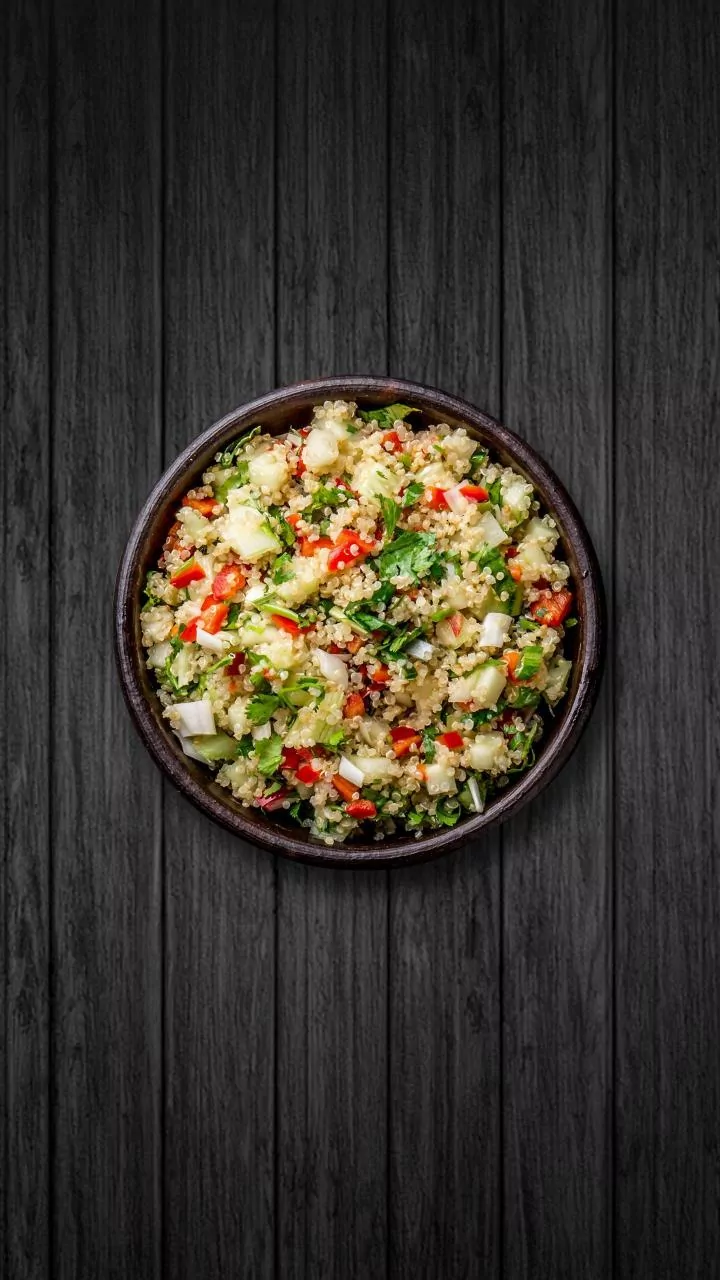
In India, pomegranates are used in countless culinary applications. Fresh arils add a burst of colour and a sweet-tart crunch to raitas, chaats, and salads. The dried seeds, known as anardana, are a popular souring agent used in chutneys, kebabs, and various curries, lending a unique tangy flavour. Pomegranate juice can be used as a refreshing drink on its own or as a base for marinades for dishes like chicken, adding a complex sweet and sour note. Don't be afraid to experiment by sprinkling the vibrant seeds over your morning yoghurt or a savoury biryani for a finishing touch.