


The Unsung Hero of Your Starter
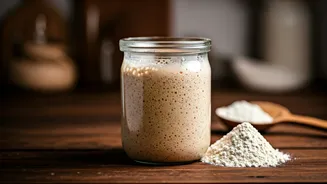
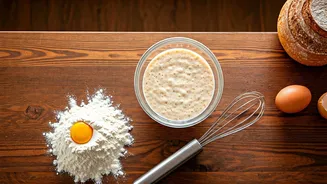
If you've ever maintained a sourdough starter, you know the routine. To keep the living culture of wild yeast and bacteria healthy and active, you must regularly 'feed' it with fresh flour and water. But before you feed it, you have to remove a portion
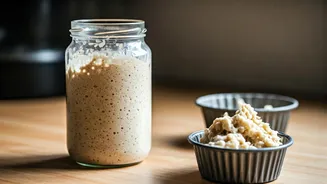
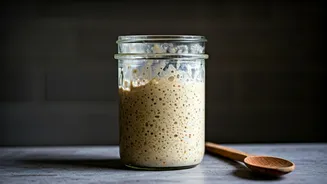
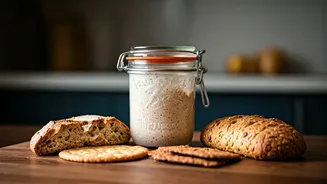
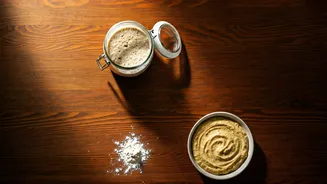
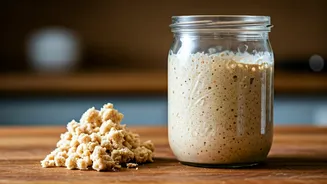
of the existing starter to make room and maintain a manageable size. This removed portion is called the 'discard'. For years, as the name suggests, many home bakers simply threw it away. This seemed wasteful to many, a perspective that aligns with the Indian ethos of using every part of an ingredient. The discard, though not active enough to leaven a loaf of bread on its own, is a flavour-packed, fermented ingredient just waiting for a purpose.
From Kitchen Waste to Culinary Wonder
The trend of baking with sourdough discard is a direct response to the growing zero-waste movement. It represents a conscious choice to find value in what was once considered a by-product. Instead of contributing to food waste, bakers are collecting their discard in a jar in the fridge, ready to be deployed in a new creation. This practice is not just about being frugal; it’s a mindset shift. It transforms a routine maintenance task into an opportunity for creativity. By reimagining 'waste' as a resource, bakers are making their kitchens more sustainable, one pancake and cracker at a time. This approach resonates deeply with traditional Indian cooking values, where resourcefulness and minimising waste have always been paramount.
A Flavour You Can't Buy
So, what’s the appeal beyond sustainability? Flavour. Sourdough discard imparts a complex, tangy taste that can elevate a simple recipe from good to great. This subtle sourness, developed during fermentation, adds a depth similar to that of buttermilk or yoghurt. It can make pancakes fluffier, cookies chewier, and crackers moreishly crisp. The acidity in the discard also tenderises baked goods, resulting in a softer, more moist texture. The age of the discard also plays a role; a fresher discard offers a mild tang, while one that has been stored for a week or two will be more pronouncedly sour, allowing bakers to customise the flavour profile of their dishes.
Beyond Pancakes and Crackers
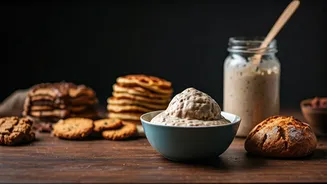
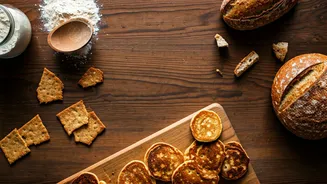
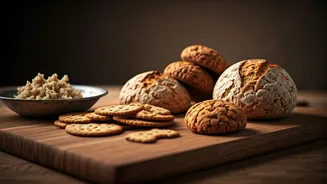
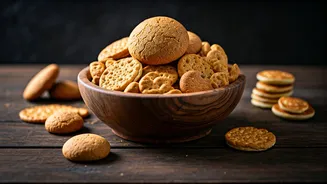
While pancakes and crackers are classic starting points, the versatility of sourdough discard is astounding. The internet is brimming with recipes that showcase its incredible range. Think savoury delights like pizza dough, fluffy naan, herbed focaccia, and even fresh pasta. On the sweet side, discard is being incorporated into everything from chocolate chip cookies and fudgy brownies to rich banana bread, tender scones, and decadent chocolate cake. It can be used to make flaky pie crusts, soft dinner rolls, and even granola. This explosion of creativity, shared widely on social media and baking blogs, has been a major driver of the trend, inspiring bakers to experiment and push the boundaries of what discard can do.
More Than a Trend: A Mindful Practice
Ultimately, baking with sourdough discard is more than just a passing fad. It’s a practice that connects bakers more deeply to their food. It encourages mindfulness about waste, fosters creativity in the kitchen, and delivers delicious results that are both economical and environmentally friendly. For many, it provides a confidence boost in their sourdough journey, offering a simple way to create successful bakes while mastering the art of the perfect loaf. It’s a tangible, tasty way to participate in a more sustainable food culture, proving that the secret to a zero-waste kitchen might just be hiding in a jar at the back of your fridge.