


Embrace the Hardy Gourds
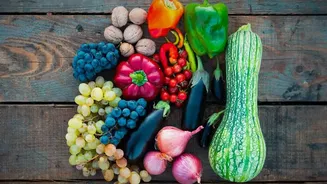
Vegetables like bottle gourd (lauki), ridge gourd (turai), and pointed gourd (parwal) are stars of the rainy season for good reason. Their thick skins offer natural protection from the excess moisture that causes other vegetables to rot quickly. They
are also less prone to insect infestations. When selecting lauki, look for smaller, slender ones with smooth, pale green skin that feels firm. A fresh gourd should feel heavy for its size and have a fresh stem. Avoid any with yellowing skin, soft spots, or bruises, as these are signs of maturity or spoilage. A simple test is to gently press your nail into the skin; if it pierces easily, the gourd is tender. These gourds are versatile, great for curries and lighter on the stomach, which is ideal for the monsoon when digestion can be sluggish.
Choose Cruciferous Vegetables Carefully
Cauliflower (gobhi) and cabbage are available, but they require extra scrutiny during the monsoon. The tightly packed florets and leaves create ideal hiding spots for worms and other insects that flourish in damp conditions. When buying cauliflower, inspect it carefully for any signs of worms or webbing between the florets. The head should be creamy white, compact, and feel heavy. Avoid any with dark spots or browning. For cabbage, choose heads that are firm and heavy for their size with crisp, brightly coloured leaves. Before cooking, it's a non-negotiable step to soak these vegetables. Submerge chopped cauliflower or cabbage leaves in a bowl of warm water with a generous pinch of salt and turmeric for about 15-20 minutes. This helps dislodge hidden dirt and insects.
Be Selective with Leafy Greens
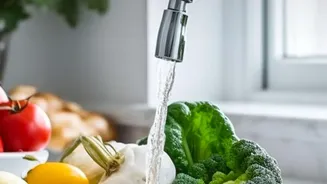
Most experts advise caution with leafy greens like spinach (palak) and lettuce during the rains. Their delicate leaves are susceptible to contamination from muddy rainwater and can harbour germs and fungus. If you do decide to buy them, selection is key. Opt for greens that look crisp, fresh, and bright green, avoiding anything that is wilted or has yellowing leaves. Wash them meticulously under running water. A good practice is to then soak them in a salt or vinegar water solution to help clean them thoroughly. It's crucial to consume them as quickly as possible after purchase and ensure they are well-cooked to kill any potential pathogens.
Rely on Sturdy Root Vegetables
Root vegetables such as potatoes, sweet potatoes, and yams (suran) are excellent choices for the monsoon. Their underground growth protects them from the direct impact of heavy rains. Furthermore, their long shelf life is a significant advantage during a season when frequent trips to the market are not always possible. When purchasing, ensure they are firm, dry, and free from any cuts, green patches (on potatoes), or sprouts. Soft spots are a clear sign that rot has begun to set in. Store them in a cool, dark, and well-ventilated place away from onions to prevent premature sprouting.
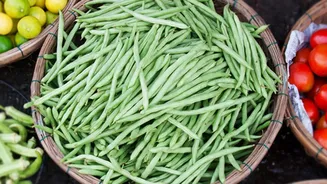
The Snap Test for Bhindi and Beans
Okra (bhindi) and various beans like cluster beans (guar) are readily available and hold up well in the monsoon. The key to selecting fresh ones is the 'snap test'. A fresh bean or bhindi should snap cleanly in two when bent. If it bends without breaking, it's likely old and will be fibrous when cooked. Look for a vibrant green colour and a smooth surface. Avoid any that are limp, have brown spots, or visible insect holes. For bhindi, choose smaller, more slender pods as they tend to be more tender. This hands-on check ensures you're buying produce that is fresh, crisp, and will taste better in your final dish.