


First, Master the Flow
A pet-friendly home starts with a smart layout. 'Flow' refers to how you and your pets move through a space. Cluttered rooms and narrow pathways can create stress for animals and tripping hazards for you. Start by decluttering and creating clear, open
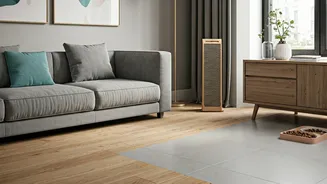
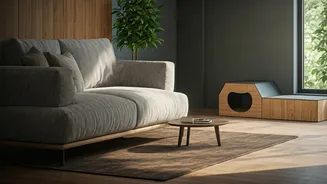
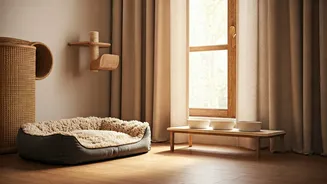
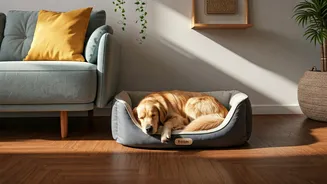
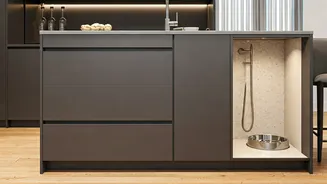
walkways. Think about your pet’s daily routine. Is their food bowl in a high-traffic area where it’s constantly being kicked? Move it to a quiet, dedicated corner. A well-placed 'pet station' with food, water, and a mat can contain messes and establish a comfortable routine. For dogs, having an open-plan living area can provide room to play without feeling constrained. For cat owners, think vertically. Cats love to climb and observe from above. Installing sturdy wall shelves, cat trees, or securing the tops of bookcases gives them a safe outlet for their natural instincts, drawing them away from scratching your sofa. A good flow means designing zones: a zone for play, a zone for rest, and a zone for eating. This helps manage energy and keeps your home feeling organised, even with the happy chaos of a pet.
Next, Focus on Fabric
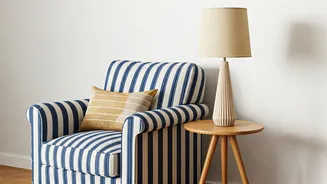
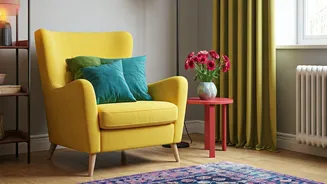
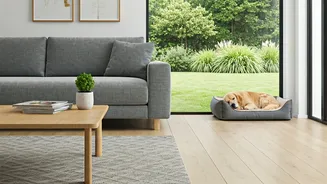
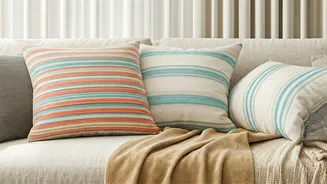
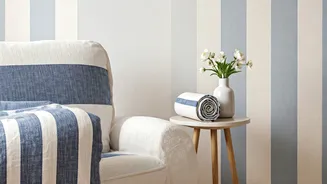
Fabric choice is perhaps the single most important decision for a pet owner. The wrong material can become a magnet for hair, a canvas for stains, and a victim of sharp claws. Your best friends are performance fabrics. Materials like microfiber and canvas are tightly woven, making them resistant to pulls and easy to clean. Many stains can be lifted with just water and a cloth. Leather and pleather are also excellent choices as they don't trap hair and can be wiped clean easily, though they can be susceptible to deep scratches. When it comes to rugs, opt for low-pile options, as high-pile or shag carpets trap dirt, allergens, and pet hair. Rugs made from durable materials like jute or sisal can withstand a lot of wear and tear, but may be difficult to clean if a pet has an accident. A better bet might be washable cotton rugs or indoor-outdoor carpets, which are designed to be stain-resistant and easy to hose down. Consider using slipcovers on your sofas and chairs. They offer a stylish, removable layer of protection that you can throw in the washing machine whenever needed, keeping your furniture fresh and clean.
Finally, Prioritise Function and Safety
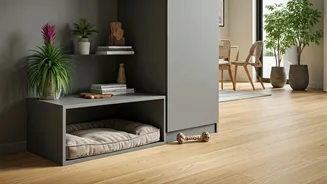
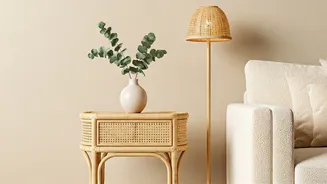
Functionality is about making your home work harder for you. Start with the floors. Hard surfaces like tiles, laminate, or luxury vinyl are ideal. They are scratch-resistant, waterproof, and incredibly easy to mop up after muddy paws or accidents. For walls, a semi-gloss or satin-finish paint is more durable and wipeable than a matte finish, making it simple to clean off scuffs and smudges. Smart storage is another key element. Invest in closed cabinets or decorative bins to store pet toys, leashes, and grooming supplies. This not only reduces clutter but also prevents your dog from chewing on something they shouldn't. Speaking of safety, be mindful of potential hazards. Secure loose electrical cords to prevent chewing, and ensure window blind cords are tied up and out of reach. Many common houseplants, like lilies and philodendrons, are toxic to pets. Opt for pet-safe greenery like spider plants, areca palms, or Boston ferns to bring nature indoors without the risk.