



Why Evening Protein Matters
Many people start the day with good intentions, but by evening, their protein intake has often fallen short. A high-protein evening meal is crucial for several reasons. Firstly, it promotes satiety, keeping you feeling full and satisfied, which can prevent
late-night snacking on less nutritious options. Secondly, consuming protein in the evening supports muscle repair and growth overnight, a process vital for everyone, not just athletes. As your body rests, it uses amino acids from the protein to repair tissues and build lean muscle. This combination of appetite control and muscle maintenance makes a protein-rich dinner a smart strategy for overall health and weight management.
Paneer: The Vegetarian Protein Powerhouse
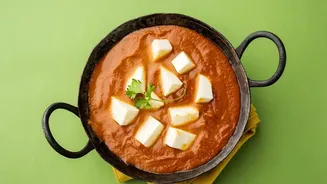
Paneer, or Indian cottage cheese, is a cornerstone of vegetarian diets for a good reason. A 100-gram serving can provide between 18 to 20 grams of high-quality protein. It is made by curdling milk and has a mild flavour that beautifully absorbs the spices it's cooked with. What makes paneer particularly valuable is that it's a complete protein source, meaning it contains all nine essential amino acids that the body cannot produce on its own. This makes it highly effective for muscle synthesis and tissue repair. Furthermore, paneer is a good source of calcium, which is essential for bone health.
Lentils: The Unsung Heroes of the Pantry
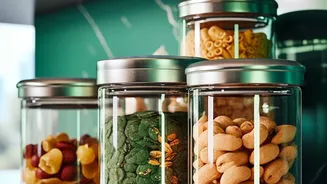
Lentils, or dal, are a staple in Indian households and an incredibly nutrient-dense food. A single cooked cup of lentils can offer around 18 grams of protein, making them a plant-based powerhouse. Beyond protein, they are packed with dietary fibre, which aids digestion and contributes to that feeling of fullness. Lentils are also rich in essential nutrients like folate, iron, magnesium, and potassium. While most plant-based foods are considered 'incomplete' proteins because they are low in one or more essential amino acids, lentils have a strong profile that perfectly complements other foods.
A Perfect Protein Partnership
The magic happens when you combine paneer and lentils. This pairing is a classic example of protein complementation. While paneer is already a complete protein, lentils are particularly rich in the amino acid lysine but lower in methionine. Dairy products, like paneer, help fill this gap. By eating them together, you create a meal with an exceptional amino acid profile, ensuring your body gets everything it needs for optimal function. This concept, known as creating a complete protein by combining different food groups, has been a cornerstone of traditional diets worldwide, such as beans and rice or hummus and pita. The dal and paneer combination is the Indian subcontinent's delicious answer to this nutritional wisdom.
Simple and Delicious Combinations
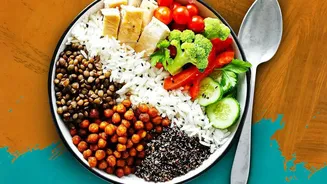
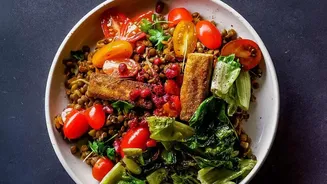
Incorporating this protein duo into your evening meals is easy and versatile. You can make a classic Dal Tadka and serve it with a side of pan-fried paneer cubes seasoned with spices. Another popular option is Dal Paneer, a curry where soft paneer cubes are simmered in a flavourful lentil gravy. For a more creative approach, consider making Masoor Dal Paneer Tikkis, which are savoury patties perfect for a light yet satisfying dinner. You can also make a hearty bowl by layering cooked lentils (like black urad dal), spiced baked paneer, and rice for a complete meal. Even a simple homemade rajma (kidney beans) served with a paneer stir-fry boosts the overall protein content significantly. These meals are not only packed with nutrients but are also comforting and deeply flavourful.