



The Air Quality Question: Myth vs. Reality
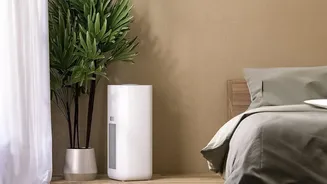
Let’s clear the air first. If your primary goal is removing airborne particles, a mechanical air purifier with a HEPA filter is vastly more effective. The popular idea that houseplants can purify indoor air traces back to a 1989 NASA study. While the study did
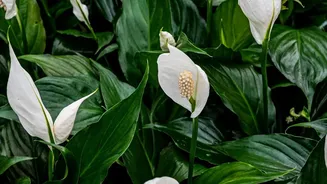
show plants could remove Volatile Organic Compounds (VOCs) from the air, it was conducted in a small, sealed chamber. Subsequent research has clarified that in a typical home with normal ventilation, you would need an impractical number of plants—sometimes estimated between 10 to 1,000 per square metre—to match the cleaning power of opening a window, let alone a purifier. So, if plants aren’t medical-grade air scrubbers, why the preference? The answer has less to do with filtration and more to do with a holistic approach to creating a better living space.
Aesthetics and The 'Green' Interior
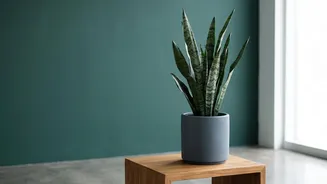
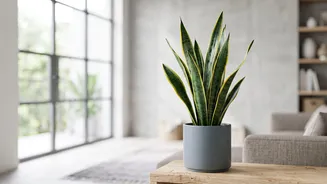
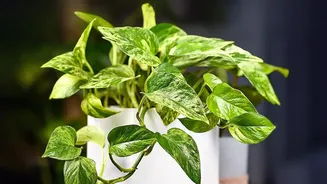
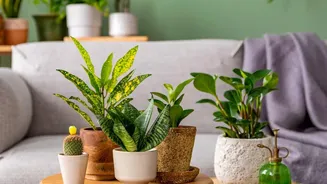
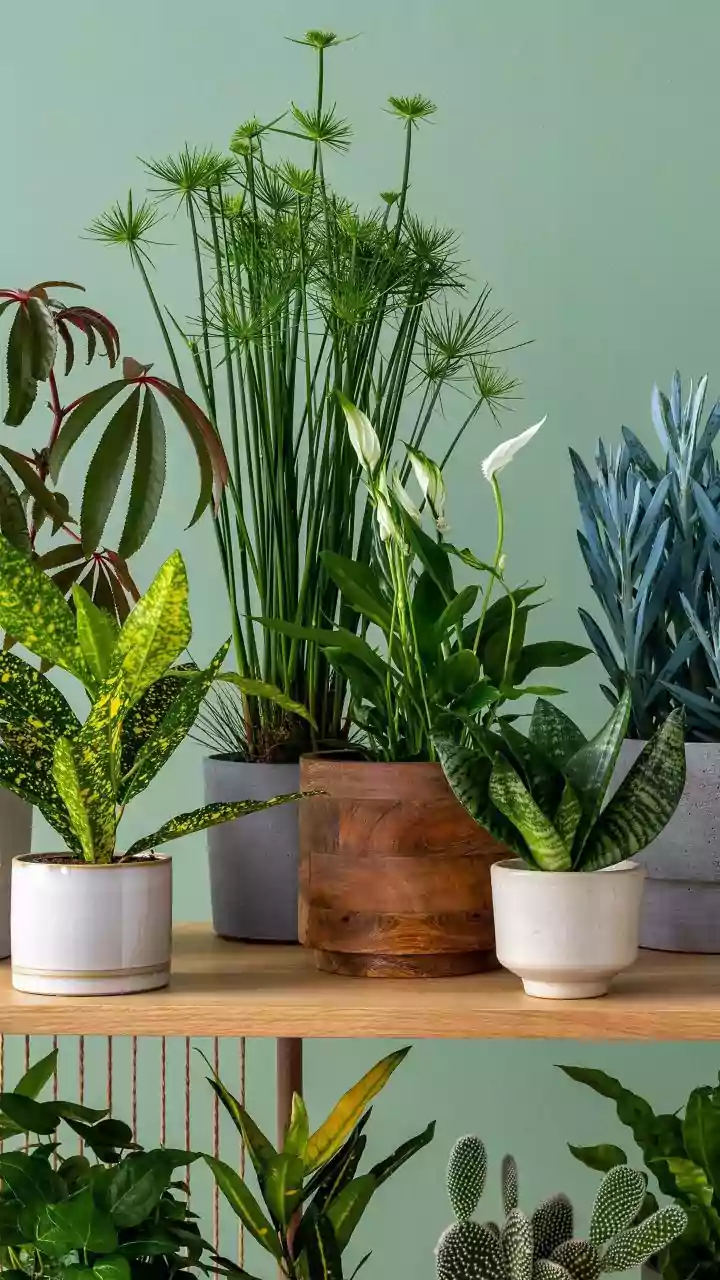
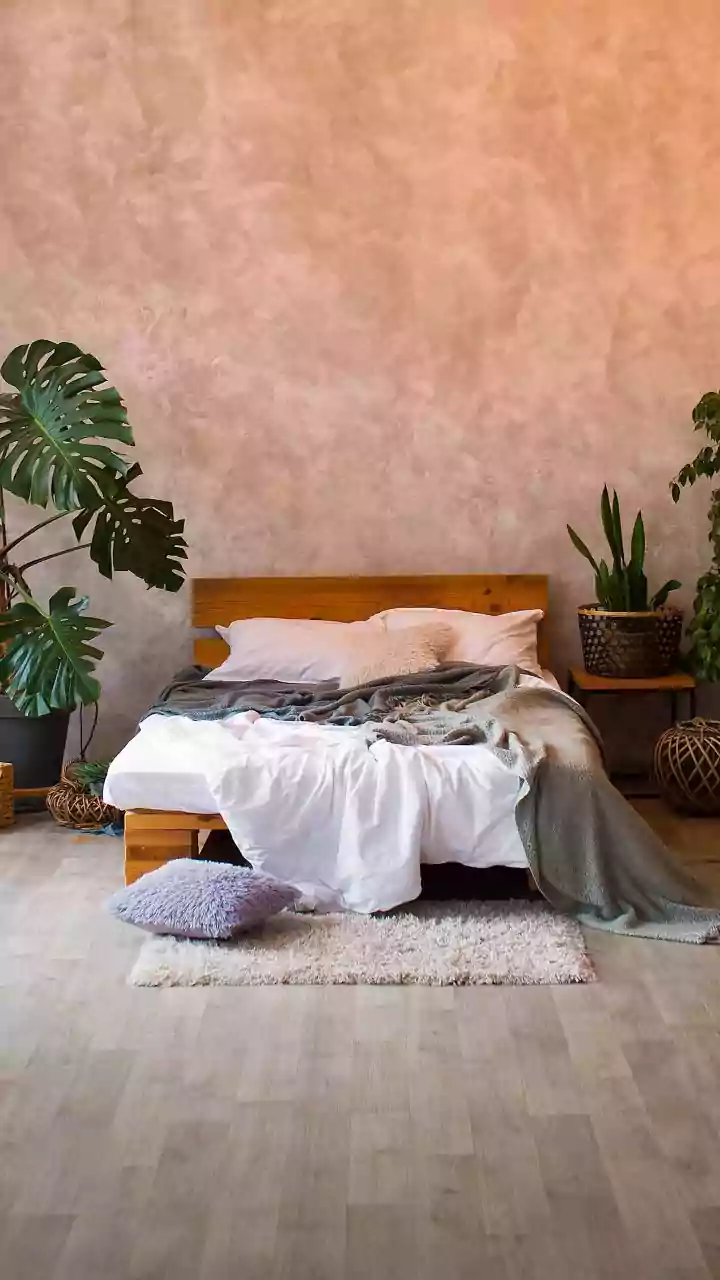
For many young urban professionals, home is a sanctuary and a reflection of personal style. In an era dominated by minimalist and biophilic design—an approach centred on connecting occupants with nature—houseplants are a perfect fit. They add life, colour, and texture to a space, transforming a sterile apartment into a vibrant home. A sculptural fiddle-leaf fig or a trailing pothos becomes a piece of living art. In contrast, most air purifiers are functional, plastic boxes that are often hidden away. While some brands are improving their designs, they rarely add the organic beauty and calming visual presence that a plant provides.
The Wellness Factor: More Than Just Air
The benefits of houseplants extend far beyond the physical. A growing body of research highlights the profound psychological advantages of living with plants. Interacting with plants, even just by watering or observing them, has been shown to reduce stress, lower blood pressure, and improve mood. This connection to nature, known as biophilia, speaks to an innate human need to affiliate with other forms of life. Caring for a plant provides a sense of purpose and a gentle routine, offering a tangible reward when a new leaf unfurls. An air purifier, while useful, is an inanimate appliance; it cleans the air but doesn't nurture the soul.
A Question of Cost and Commitment
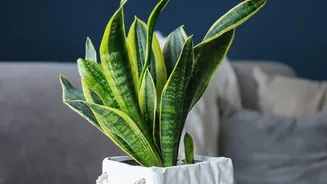
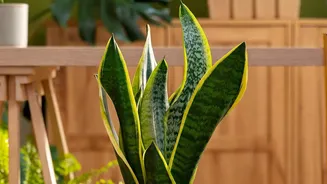
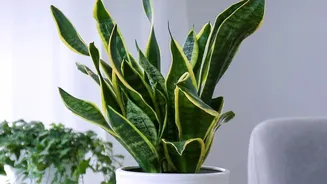
From a financial perspective, the difference is stark. A collection of low-maintenance houseplants like snake plants, spider plants, or ZZ plants can be acquired for a fraction of the cost of a high-end air purifier. The ongoing costs are minimal—water, occasional fertiliser, and a sunny spot. Air purifiers, on the other hand, represent a significant initial investment, often running into hundreds of dollars. They also have recurring costs, including electricity and expensive filter replacements every few months. For a demographic that is often budget-conscious but style-savvy, plants offer a high-return investment in home ambiance and personal well-being without the long-term financial commitment of a machine.
The Ritual of Care vs. The Chore of Maintenance
The maintenance required for each also plays into the preference. Caring for low-maintenance plants is often framed as a mindful ritual—a few moments each week to connect with a living thing. It's a gentle, grounding activity in a fast-paced digital life. Conversely, maintaining an air purifier is a chore. Remembering to clean pre-filters and order expensive replacement filters on time can feel like another task on a never-ending to-do list. The low-effort, high-reward nature of hardy indoor plants makes them an easy and enjoyable addition to a busy lifestyle, whereas a purifier is just another appliance to manage.