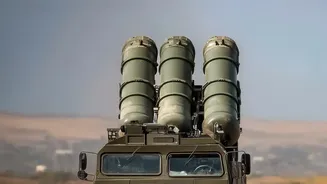









A Problem of Planning, Not Just Parts
A new report from the Government Accountability Office (GAO), a federal watchdog, has brought a critical issue into sharp focus: the US Department of Defense (DoD) lacks a cohesive, overarching plan for managing its vast stockpiles of munitions. The report,
released November 19, 2026, states that the Pentagon's approach is often reactive to world events rather than being driven by a long-term strategy based on total requirements. This has led to persistent shortages, a problem exacerbated by recent conflicts and support for allies. The GAO warns that without a comprehensive plan linking production and funding to specific needs, the DoD risks investing in munitions it may not require while failing to address critical shortfalls.
Aging Stock and Modern Demands
The core of the problem involves two intertwined issues: the depletion of modern, high-tech missiles and the questionable status of older ammunition. Recent conflicts have rapidly drained inventories of sophisticated weapons like Tomahawk cruise missiles, as well as Patriot and THAAD interceptors. The US expended a significant number of these during the 2026 conflict with Iran, and estimates suggest it could take years, possibly until 2030 or beyond, to replenish them to pre-war levels. At the same time, questions surround the reliability of older munitions. While properly stored ammunition can last for decades, factors like humidity and temperature swings can degrade primers and propellants, leading to malfunctions. In a recent confirmation hearing, the Acting Navy Secretary acknowledged using 'expired' missiles that had been recertified, a statement that underscores the pressure on existing stocks.
A Reactive Rush to Refill
In response to visible shortages, the Pentagon has moved to ramp up production. The Army, for example, is trying to boost the manufacturing of 155mm artillery shells. However, the GAO report points out that this rush is not always guided by a clear assessment of overall military needs. One official quoted in the report noted that this reactive posture risks investing in munitions that might exceed total requirements in the long run. Compounding the issue, the Pentagon has not designated a specific office with the authority to oversee and coordinate these efforts across the different branches of the armed services, making it difficult to drive and monitor progress effectively. Billions of dollars are being allocated to munitions in new defense spending bills, but experts caution that simply throwing money at the problem won't solve it, as industrial capacity takes years to scale up.
Global Implications and a Window of Vulnerability
This munitions challenge is not just an internal US issue; it has significant geopolitical consequences. For allies in Asia and Europe, a strained US arsenal raises questions about the reliability of American security commitments. The depletion of high-end missile defense systems, which are crucial for deterring potential adversaries like China and Russia, creates what one think tank called a 'window of vulnerability'. If the US is stretched thin responding to a crisis in one region, its ability to simultaneously deter aggression in another, such as the Indo-Pacific, could be compromised. This situation forces the US and its allies to make difficult choices about prioritizing the allocation of limited arms shipments in the coming years.