






Beyond the Tourist Trail
For decades, travel has been defined by a visual checklist: the Eiffel Tower, the Taj Mahal, the Colosseum. We fly thousands of miles to stand in front of something, take a picture, and move on. But this approach often keeps us on a well-worn, superficial
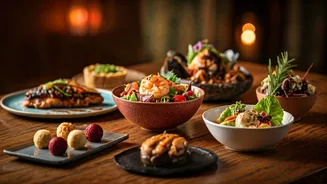
path. A truly immersive journey engages all the senses, and none is more powerful or evocative than taste.When you plan a trip around food, you are inherently seeking authenticity. You are looking for the neighbourhood bistro, not the global chain; the bustling local market, not the sterile souvenir shop. A quest for the best biryani in Hyderabad or the most fragrant pho in Hanoi will lead you down streets and into communities you would otherwise miss. Food becomes your compass, guiding you away from the crowds and towards the true heart of a place.
A Direct Line to Culture and History
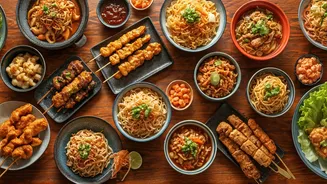
Every dish tells a story. A simple plate of pasta in Italy speaks of ancient Roman trade routes, regional agriculture, and the art of simplicity passed down through generations. The complex spices in a Rajasthani laal maas reflect the state’s warrior history and arid climate. Food is a living museum, a delicious archive of a region’s geography, history, and social fabric.By focusing on what people eat, you begin to understand *why* they eat it. You learn about local festivals, farming cycles, and family traditions. A cooking class in Thailand is more than a lesson in balancing sweet, sour, salty, and spicy; it’s an introduction to the central role of community and fresh ingredients in Thai culture. To taste a place’s food is to understand its past and present in the most intimate way possible.
The Ultimate Human Connector
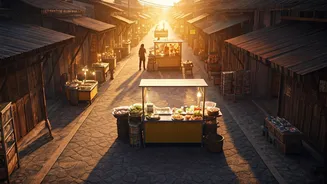
Think about the best conversations you’ve ever had. How many of them happened over a shared meal? Food is a universal language, a bridge that effortlessly connects strangers. Asking a local for their favourite place to eat chaat is a much more natural and rewarding interaction than asking for directions to a monument. Sharing a table in a crowded Vietnamese street-food stall or breaking bread with a family in a Moroccan riad creates bonds that sightseeing rarely can.These are the moments that transform a trip from a series of passive observations into an active, participatory experience. You are no longer just a tourist; you are a guest. This shift in perspective is profound, fostering empathy and creating memories that are rooted in genuine human connection, not just a photo on your phone.
How to Plan Your Delicious Adventure
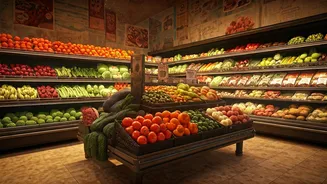
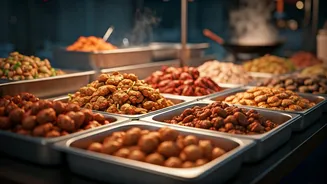
Shifting to a culinary-first mindset doesn't mean you have to ignore everything else. It simply means reordering your priorities. Start your research with food blogs, documentaries, and travel guides that specialize in cuisine. Look for 'food maps' of cities you want to visit. Instead of booking a hotel in the main tourist hub, consider staying in a neighbourhood known for its vibrant food scene.Once there, be curious. Visit the local markets early in the morning to see the lifeblood of the city's kitchens. Sign up for a food tour on your first day to get your bearings and discover hidden gems. Don’t be afraid to eat at humble-looking establishments; they often serve the most authentic and delicious food. And most importantly, talk to people—the vendors, the chefs, the person sitting next to you. Ask them what they love to eat, and your trip will instantly become richer.