


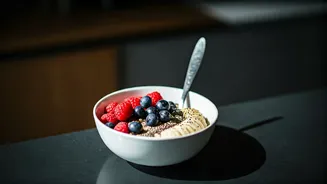


Why Your Desk Lunch Is Getting a Makeover
The movement towards packing a homemade lunch is about more than just avoiding sad desk salads. For many young professionals, it’s a strategic choice driven by a desire for better health, financial control, and less stress. In fast-paced work environments,
taking a long lunch break is becoming less common. [21] Instead of opting for greasy, convenient takeaway options that can lead to an afternoon slump, they are choosing nutrient-dense, pre-planned meals. [2, 21] This shift allows for complete control over ingredients, portion sizes, and overall nutritional content, which is a top priority for health-conscious Gen Z and Millennial workers. [1, 5, 24] It's a way of taking charge of well-being in a chaotic work life, ensuring the midday meal refuels instead of fatigues. [7, 17]
The Triple Win: Health, Wealth, and Time
The benefits of planning your lunch extend far beyond nutrition. One of the most significant advantages is the cost savings. Buying lunch every day, even at a modest price, adds up substantially over a month and a year. [2] Meal prepping allows for bulk buying and strategic use of ingredients, which can drastically cut down on food expenses and reduce food waste. [11, 12, 13] Beyond the financial perks, there's the gift of time. Instead of spending a chunk of your limited break standing in line, a pre-packed lunch lets you use that time to actually relax, go for a walk, or catch up on personal tasks. [1, 3] This reclamation of the lunch hour reduces decision fatigue and contributes to a less stressful, more productive workday. [14]
Getting Started: The Simple Art of Lunch Prep
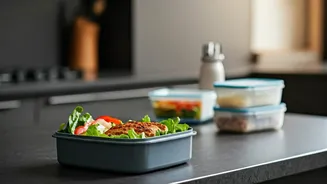
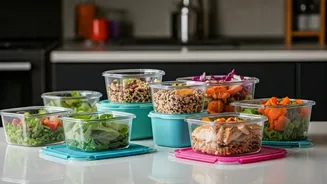
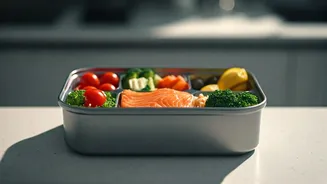
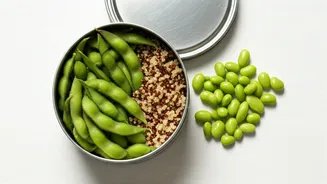
The idea of meal prepping can seem daunting, but it doesn't have to be an all-or-nothing effort. The key is to start small. [13] Begin by planning your lunches for just two or three days a week. [7] Dedicate a couple of hours on a Sunday to do your batch cooking. [19] This could involve cooking a large pot of quinoa or brown rice, grilling some chicken or paneer, and chopping a variety of vegetables. These base components can then be assembled in different ways throughout the week to keep things interesting. [17] Investing in a few quality airtight containers is also crucial to keep your meals fresh and organized. [19]
Easy & Quick Ideas for the Indian Office Lunch
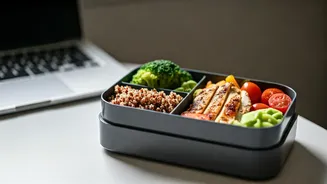
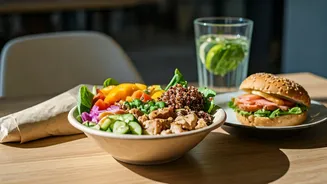
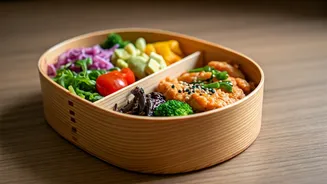
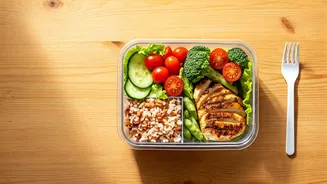
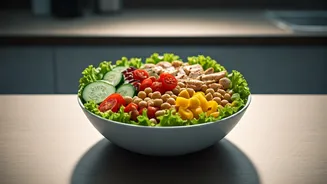
You don't need to be a gourmet chef to create delicious and healthy lunches. Think simple, balanced, and flavourful. A quinoa or millet salad tossed with chickpeas, chopped cucumber, tomato, onion, and a lemon-coriander vinaigrette is refreshing and holds up well. [4] Whole-wheat wraps filled with spiced paneer or chicken tikka, along with crunchy lettuce and mint chutney, are a portable and satisfying option. Even leftovers from the previous night's dinner, like a vegetable pulao or dal, can make for a perfect, no-fuss lunch. [3] The goal is to create a balanced meal with lean protein, complex carbohydrates, and plenty of vegetables to keep you energised through the afternoon. [17, 18]