






Nature's Air Conditioners
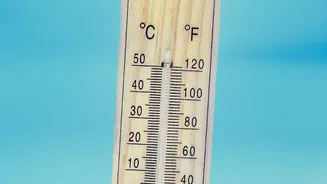
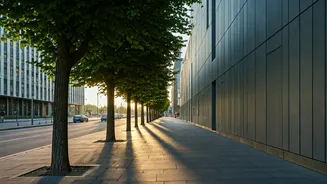
In the dense, heat-absorbing landscapes of our cities, trees act as nature's own air conditioning units. This isn't just about the shade they provide, which can make surfaces 10–20°C cooler than unshaded areas. The real magic happens through a process
called evapotranspiration. Trees pull water from the ground and release it as vapour through their leaves, a process that actively cools the surrounding air. A single mature tree can release hundreds of litres of water vapour a day, providing significant cooling power. This natural cooling helps combat the 'urban heat island effect', where concrete and asphalt make cities significantly hotter than surrounding rural areas, a critical benefit during India's intense summers. Strategically planted trees can lower neighbourhood temperatures by several degrees, reducing the reliance on energy-guzzling air conditioners and mitigating heat-related health risks.
A Breath of Fresh Air
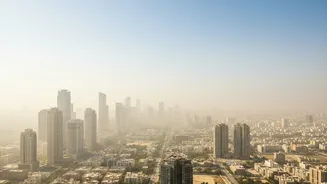
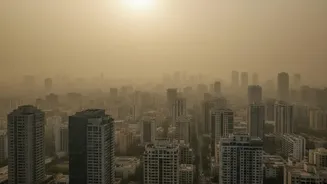
Urban air is a cocktail of pollutants from traffic and industry. Street trees serve as natural, living filters that clean the air we breathe. Their leaves and bark intercept and absorb airborne pollutants like particulate matter, nitrogen oxides, and sulphur dioxide. Large, healthy trees are particularly effective, removing up to 70 times more pollution than smaller saplings. They also absorb carbon dioxide, a key greenhouse gas, storing it in their wood as they grow. While a single tree's impact might seem small, a healthy urban forest collectively removes tonnes of pollutants from the air annually, leading to better respiratory health for residents. By lowering air temperatures, trees also reduce the chemical reactions that form ground-level ozone, a major component of smog.
A Boost for Body and Mind
The benefits of street trees extend deep into our psychological well-being. Numerous studies show that living in areas with more green space is linked to lower levels of stress, anxiety, and depression. Simply having a view of trees from a home or office window can improve mood and concentration. This connection to nature, sometimes called 'biophilia', is thought to be essential for mental restoration in demanding urban environments. Exposure to green spaces lowers levels of the stress hormone cortisol and can even lead to healthier blood pressure and immune function. Tree-lined streets also encourage physical activity, like walking and cycling, which has its own set of profound health benefits.
Building Stronger, Safer Communities
The social fabric of a neighbourhood is strengthened by the presence of trees. Green common spaces encourage residents to spend more time outside, fostering social interaction and a stronger sense of community. Research has even linked higher levels of vegetation to lower crime rates. One theory is that pleasant, well-maintained green spaces attract more people outdoors, increasing passive surveillance and deterring criminal activity. From an economic perspective, trees are a valuable city asset that, unlike most infrastructure, appreciates over time. Leafy streets are more attractive to shoppers and can boost business at local establishments. They also consistently increase property values, with homes on tree-lined streets often selling for more than their counterparts on barren ones.