






The Real Damage of a Downpour
Water doesn't just make things wet; it causes lasting damage that can ruin expensive gear. For electronics, the danger is twofold. Water, especially rainwater filled with impurities, is conductive. It can create short circuits by connecting parts of a circuit board
that should never touch, leading to immediate failure. Even if a device survives the initial exposure, moisture left behind can cause corrosion—a creeping rust that eats away at metal components, leading to eventual malfunction. For clothing and fabrics, the threat is biological. A damp jacket or a backpack that isn't dried properly becomes a breeding ground for mould and mildew, which not only smell terrible but can degrade the fabric's integrity and cause permanent staining.
Waterproof vs. Water-Resistant: Know the Difference
These terms are often used interchangeably, but they mean very different things. A water-resistant item can handle light, brief exposure to moisture, like a drizzle. Its fabric is either tightly woven or has a special coating called a Durable Water Repellent (DWR) that causes water to bead up and roll off. However, under sustained rain or pressure (like from backpack straps), water will eventually soak through. Waterproof gear, on the other hand, is designed to be impervious to water for extended periods. It uses materials with a built-in membrane and often features sealed or taped seams to block water from entering through stitching holes, offering a much higher level of protection. For unpredictable weather, especially during Indian monsoons, understanding this distinction is key to choosing the right gear.
Your First Line of Defence: The Right Bag
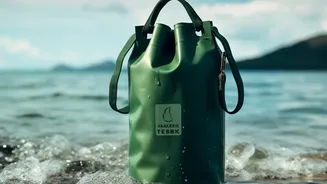
Your backpack is your gear's primary shield. While many bags claim to be waterproof, most are only water-resistant. For true protection, look for bags made from materials like TPU-coated fabric or tarpaulin. A roll-top closure is a key feature of highly waterproof bags, like dry bags, as it creates a much more effective seal than a standard zipper. If you love your current backpack, you don't need to replace it. An affordable and effective solution is a backpack rain cover. These lightweight covers stretch over your entire bag, providing an excellent barrier against even heavy downpours. For commutes in heavy rain cities like Mumbai or Kolkata, a bag with a rain cover or genuinely waterproof fabric is considered the minimum requirement.
A System of Layers: Internal Protection
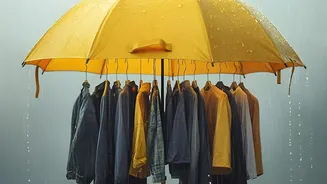
The best waterproofing strategy involves layers, just like dressing for the cold. Don't just rely on your main bag; organise and protect items internally. Small dry sacks are invaluable for this. You can use different sizes to separate electronics, clothes, and food. This compartmentalisation means that even if your main bag fails, your most valuable items remain safe and dry. For smaller items and documents, simple zippered plastic pouches can be incredibly effective. Keeping your passport, tickets, and cash in a dedicated waterproof pouch not only protects them from rain but also from accidental spills inside your bag. This 'tank protection' method significantly reduces the risk of water damage.
Maintaining Your Armour: Gear Care
Waterproof and water-resistant coatings don't last forever. Dirt, oil, and simple friction from use can wear down the DWR finish on jackets and bags, causing them to 'wet out' or become saturated. The good news is that this protection can often be restored. The first step is to clean your gear with a technical wash designed for outdoor fabrics. Often, simply washing and then applying low heat from a tumble dryer or an iron can reactivate the DWR treatment. If that doesn't work, you can reapply the coating with a DWR spray. By evenly spraying the clean garment and allowing it to dry, you can restore its ability to repel water, extending the life of your expensive travel wear.