



The Foundation: Building a Hardy Base
The secret to a long-lasting curry base begins with your ingredients. The foundation of most Indian curries is a simple masala of onions, tomatoes, ginger, and garlic. For a three-day prep, opt for ripe, firm tomatoes, as their natural acidity helps in preservation.
Avoid adding dairy products like cream, milk, or yoghurt to the initial base. These ingredients have a shorter shelf life and are best stirred in just before serving your final dish. Similarly, hold off on adding fresh, delicate herbs or coconut milk. A base made from the core aromatics and spices is more stable. Focus on creating a concentrated flavour paste that you can adapt later. Many restaurants use this exact approach, preparing a master gravy in the morning to create dozens of different dishes throughout the day.
The 'Bhunao' Method: Your First Defence
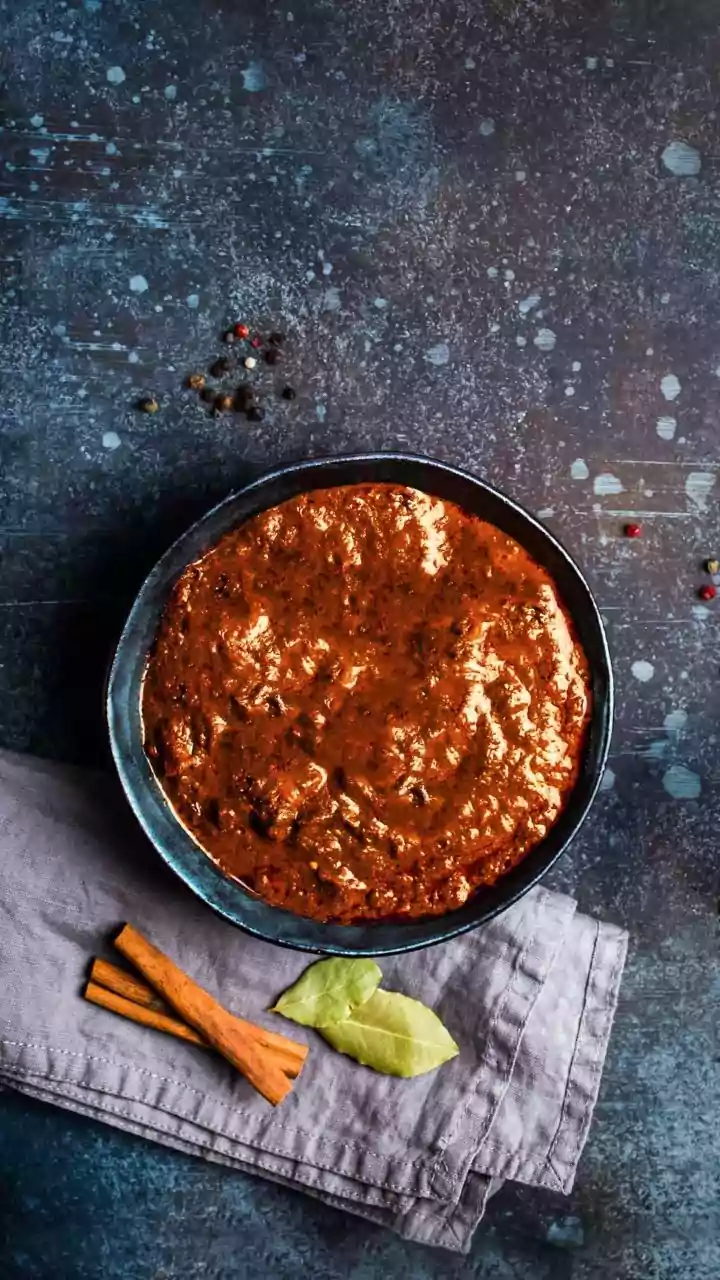
The most critical technique for preventing spoilage is 'bhunao', the process of slowly sautéing your aromatics and spices in oil. This isn't just about browning onions; it's about methodically cooking out moisture. Bacteria thrive in moist environments, so reducing the water content of your base is a powerful preservation step. Start by slowly caramelising finely chopped onions in oil until they are deep golden brown, which can take up to 30 minutes on low heat. Then, add the ginger-garlic paste and cook until the raw smell disappears. Finally, add your tomato puree and continue to cook, stirring frequently. The process is complete when the paste darkens, thickens, and the oil begins to separate from the masala. This separation is the visual cue that you’ve successfully reduced moisture and concentrated the flavours, creating a less hospitable environment for microbes.
Harnessing Natural Preservatives
Indian cooking has a long history of using ingredients that naturally extend shelf life. Oil, salt, and certain spices are your best friends in this endeavour. Don't be shy with the oil during the bhunao process; it acts as a barrier against air and moisture. Salt is another crucial preservative, as it draws out water through osmosis, inhibiting bacterial growth. Spices like turmeric and mustard seeds also possess antimicrobial properties that help keep your base fresh. The acidity from tomatoes or a small amount of vinegar further helps by creating a low-pH environment that discourages pathogen growth. By leveraging these traditional kitchen staples, you're not just adding flavour—you're actively making your food safer to store.
The Cool-Down Rule: Patience Prevents Problems
How you cool your curry base is as important as how you cook it. Placing a large, hot pot directly in the refrigerator is a common mistake that can lead to rapid spoilage. The curry will cool too slowly, spending extended time in the bacterial 'danger zone' (between 4°C and 60°C). To cool the base rapidly and safely, divide the large batch into smaller, shallow containers. This increases the surface area and allows heat to dissipate much faster. Let the containers sit at room temperature until they stop steaming, but for no longer than two hours, before sealing and refrigerating. This prevents condensation from forming inside the containers, which would reintroduce the moisture you worked so hard to cook out.
Smart Storage for Lasting Freshness
Once cooled, proper storage is your final line of defence. Always use clean, dry, airtight containers. Glass containers are an excellent choice as they don't absorb stains or odours from pungent spices. Storing the base in meal-sized portions is ideal; it means you only expose one serving to air at a time, keeping the rest untouched and pristine. When you take a portion out, always use a clean, dry spoon to avoid introducing contaminants. A well-prepared and properly stored onion-tomato base can easily last for three to four days in the refrigerator. For longer storage, the base freezes beautifully for several months.