


The Desert State in Bloom: Rajasthan
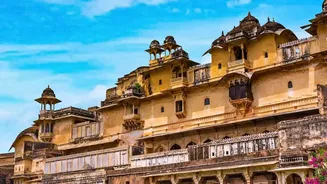
By September, the Southwest Monsoon typically begins its withdrawal from the northwestern parts of India, making Rajasthan an excellent choice. The intense summer heat has subsided, and the occasional post-monsoon showers leave the arid landscape surprisingly
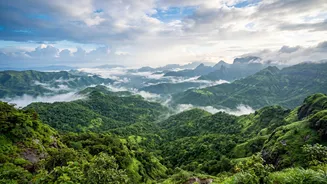
green. Temperatures are pleasant, generally ranging from 24°C to 35°C. Cities like Jaipur, Udaipur, and Jodhpur are less crowded than in the peak winter season, allowing for a more relaxed exploration of forts and palaces. The lakes in Udaipur are full, and the Aravalli hills, especially around Bundi, are cloaked in fresh greenery, offering a unique perspective on this desert state.
A Monsoon Interlude: Tamil Nadu and Pondicherry
The state of Tamil Nadu is a clever choice for September as it lies in the rain shadow of the Southwest Monsoon. While the rest of India is seeing the last of the heavy rains, this region experiences a relative lull. Its primary rainy season, the Northeast Monsoon, doesn't arrive until October. This makes September a window of opportunity to explore temple towns like Madurai and Rameshwaram or the French colonial charm of Pondicherry with pleasant weather and less rainfall. Hill stations like Ooty are also exceptionally beautiful, with the landscape washed clean and green after the preceding months' showers.
God’s Own Country, Washed Anew: Kerala
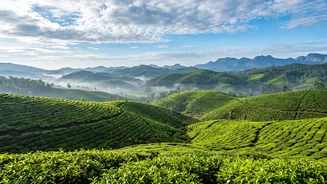
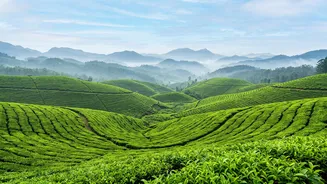
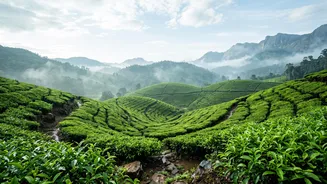
While Kerala is famous for its heavy monsoon, by September, the intensity of the rain has significantly decreased. Instead of constant downpours, you are more likely to experience short, intense showers followed by hours of sunshine. This is arguably one of the best times to visit; the landscape is incredibly lush and vibrant, the backwaters are full, and the tourist crowds are still thin, meaning off-season rates often apply. Temperatures are comfortable, hovering between 24°C and 30°C. It's an ideal time to enjoy the rejuvenated scenery, from the tea gardens of Munnar to the tranquil backwaters of Alleppey, without the peak season rush.
The Heart of India: Madhya Pradesh
Central India also sees a reduction in rainfall as September progresses. Destinations like Khajuraho and Orchha, known for their stunning temples and palaces, become more accessible. The post-monsoon period brings the surrounding landscapes to life, with greenery providing a beautiful contrast to the ancient stone architecture. While you should still be prepared for some rain, the weather is generally turning more favourable for sightseeing. National parks like Bandhavgarh and Kanha are typically closed during this period, reopening in October, so it's a better time for cultural and historical exploration rather than wildlife safaris.
Caution in the Clouds: The Himalayas
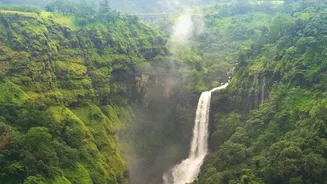
September marks the transition from monsoon to autumn in the Himalayas, offering breathtakingly clear skies and verdant landscapes. However, caution is key, especially in the first half of the month. The risk of landslides and road blockages from the monsoon's final downpours is still present. For those willing to be flexible, mid-to-late September is often considered a 'sweet spot' for travel to places like Himachal Pradesh and Uttarakhand. The weather becomes more stable, and the views are spectacular. Always check local weather advisories and road conditions before and during your travel, and build buffer days into your itinerary.