


Pakoras and Bhajiyas: The Quintessential Rainy-Day Snack
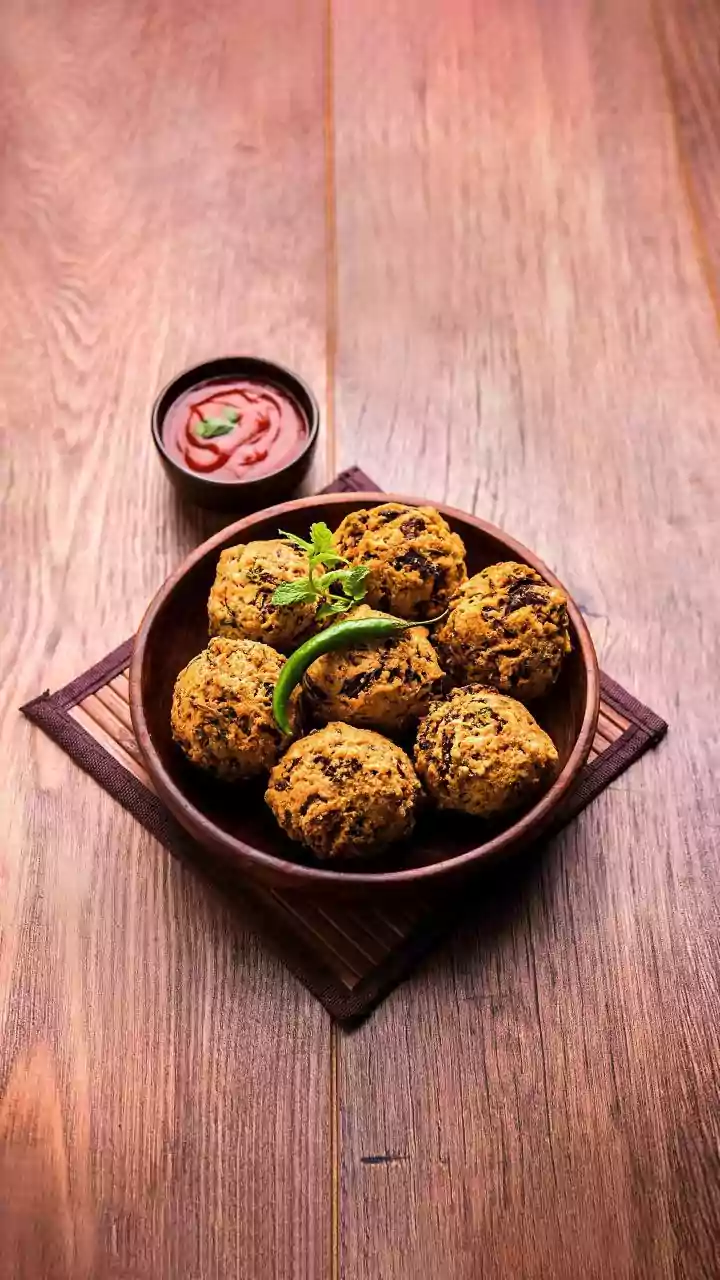
Across India, the sound of rain is almost instinctively paired with the sizzle of pakoras. These deep-fried fritters, made by dipping everything from onions and potatoes to paneer and chillies in a spiced gram flour (besan) batter, are the unofficial
snack of the season. The appeal is multi-layered: they are served piping hot, offering a comforting warmth against the damp chill. The crispy texture provides a satisfying contrast to the soft, wet weather outside. Whether it's the popular onion pakora (Kanda Bhaji) or a spicy Mirchi Bajji, this is a shared culinary ritual that brings families and friends together.
Bhutta: The Smoky Street-Side Favourite
Walking down a street during a downpour, the smoky aroma of roasted corn on the cob, or bhutta, is a familiar and welcome scent. Roasted over hot coals and then rubbed generously with lemon, salt, and chilli powder, bhutta is a light yet satisfying snack. This seasonal treat is not just about taste; it’s an experience. Holding the warm cob while the rain falls around you is a core monsoon memory for many. Nutritionally, corn is a good source of fibre and antioxidants, making it one of the healthier seasonal indulgences.
Samosas and Kachoris: The Flaky, Filling Comfort
Alongside pakoras, samosas and kachoris are other deep-fried delights that see a surge in popularity during the monsoon. The flaky pastry giving way to a warm, spiced filling of potatoes and peas (samosa) or lentils (kachori) is deeply satisfying. Often paired with a tangy mint or sweet tamarind chutney, these snacks are a staple at tea stalls and in homes, especially on rainy evenings. The craving for such high-fat, high-carb foods is partly physiological, as the lack of sunlight can lead to a dip in serotonin, our mood-regulating hormone, which our body tries to boost with energy-dense foods.
Khichdi: The Ultimate Comfort Meal
When the craving isn't for something fried but for pure, unadulterated comfort, many turn to khichdi. A simple, one-pot dish of rice and lentils (usually moong dal), it is considered the ideal monsoon food according to Ayurveda. The rainy season is traditionally seen as a time when digestion (Agni, or digestive fire) is weaker. A warm, light, and easily digestible meal like khichdi, often seasoned with digestive-aiding spices like cumin, ginger, and turmeric and topped with a dollop of ghee, is both nourishing and soothing to the gut.
Warming Soups and Broths
A warm bowl of soup is a universal comfort, and it takes on special significance during the monsoon. Traditional Indian soups, like a peppery South Indian rasam or a simple mixed vegetable soup, provide hydration and warmth. Many are made with ingredients known for their immunity-boosting properties, such as ginger, garlic, and turmeric. These spices are valued in traditional medicine for their ability to aid digestion and help ward off seasonal colds and flu, which are more common during this time.
Steamed Delicacies: A Lighter Indulgence
While frying is popular, steaming is another traditional cooking method that shines during the monsoon. Dishes like Patra or Alu Vadi—colocasia leaves layered with a spiced batter, rolled, and steamed—are monsoon specialties in Western India. In the South, steamed snacks like idli and idiyappam are preferred for being light and easy on the stomach. These preparations align with the Ayurvedic principle of eating light, cooked foods when the digestive system is considered more vulnerable.
Seasonal Fruits and Vegetables
The monsoon also brings its own unique bounty of fruits and vegetables. Jamun (Indian blackberry), with its sweet and tart flavour, is a seasonal highlight, known to be rich in vitamins and antioxidants. Pears and pomegranates are also popular choices. Traditional wisdom suggests opting for vegetables like bottle gourd (lauki) and bitter gourd (karela), which are considered light and beneficial during this season. These seasonal foods provide essential nutrients that help support the immune system.