


The Great Grain Swap
Walk down any health food aisle or scroll through a fitness influencer’s feed, and you'll likely spot it. Dark, mysterious, and full of promise, black rice is fast becoming the grain of choice for a health-conscious generation. While the idea of swapping
out a staple as fundamental as white rice might seem radical to some, for many in Gen Z, it's a logical upgrade. This isn't just about following a fleeting trend; it’s a deliberate choice rooted in a deeper understanding of nutrition and a desire to get more value from every meal. Young consumers are increasingly food-literate, looking beyond simple taste and tradition to scrutinize ingredient lists and macronutrient profiles. In this new food paradigm, white rice, with its high glycemic index and relatively low nutrient density, is starting to lose its lustre.
A Nutritional Showdown
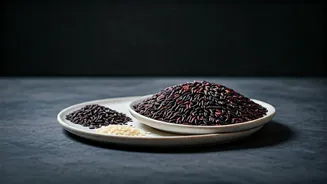
So, what’s behind the hype? The headline claim is protein, and it holds up. While not a protein powerhouse like dal or paneer, black rice contains significantly more protein than its white counterpart. A typical serving of cooked black rice offers around 9-10 grams of protein, compared to just 4-5 grams in the same amount of white rice. It also boasts nearly double the fibre, which aids in digestion and promotes a feeling of fullness, helping to prevent overeating. But the real star of the show is its colour. The deep purple-black hue comes from anthocyanins, powerful antioxidants also found in blueberries and acai berries. These compounds are celebrated for their anti-inflammatory properties and their role in protecting cells from damage. White rice, having been stripped of its bran and germ layer during milling, loses most of these valuable nutrients.
Beyond Protein and Antioxidants
The benefits extend beyond just protein and antioxidants. One of the biggest criticisms of white rice is its high glycemic index (GI), which can cause rapid spikes in blood sugar. This is a concern for managing conditions like diabetes and for anyone looking to maintain stable energy levels. Black rice, with its fibrous bran layer intact, has a much lower GI. This means the glucose is released into the bloodstream more slowly, providing sustained energy and preventing the dreaded post-meal slump. For a generation juggling demanding careers, fitness goals, and a busy social life, food that provides steady fuel without the crash is a massive advantage. This makes black rice a smarter carbohydrate choice, aligning perfectly with modern wellness goals focused on metabolic health and long-term vitality.
Rediscovering an Indian Heritage Grain
While black rice might seem like a new, exotic import, it has deep roots in India, particularly in the Northeast. In Manipur, it's known as 'chak-hao' and has been cultivated for centuries, traditionally reserved for royalty and used in ceremonial feasts and desserts. This heritage adds another layer of appeal for young Indians. It’s not just about adopting a global 'superfood' trend; it’s about rediscovering and celebrating a nutritious, indigenous grain. This connection to local tradition, combined with its impressive health credentials, makes it a powerful symbol of a new Indian food identity—one that is both globally aware and proud of its own agricultural legacy. Choosing chak-hao over an imported grain like quinoa can feel like a more authentic and sustainable choice.
The New Philosophy of Eating
Ultimately, the shift from white to black rice is a small window into a much larger change in food philosophy. Gen Z views food not just as sustenance, but as a tool for optimisation—for a healthier body, a sharper mind, and even a clearer conscience. They are more likely to consider the ethical and environmental impact of their food choices. This generation demands transparency and nutritional density. They don't just eat; they invest in their health with every bite. The humble bowl of rice, once a simple filler, is now being re-evaluated and re-engineered to meet these new, higher standards. Black rice, with its rich story, superior nutrition, and visual appeal, is simply the perfect grain for this new era.