



A Tale of Two Parsleys
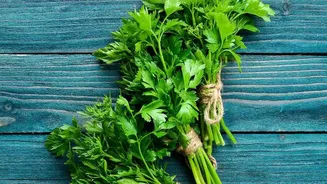
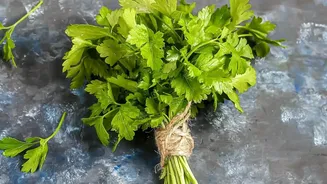
Before diving into recipes, it’s helpful to know the two main players: flat-leaf and curly parsley. Flat-leaf, also known as Italian parsley, has a more robust, peppery flavour and is generally preferred for cooking. Its smooth leaves are easy to chop
and incorporate into dishes. Curly parsley has a milder taste and a ruffled, crisp texture, making it a beautiful garnish, but its flavour shouldn't be underestimated. While flat-leaf is often the star in flavour-forward dishes, the two can be used interchangeably depending on your preference.
The Vibrant Sauce: Chimichurri
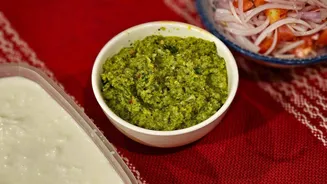
Hailing from Argentina, chimichurri is a prime example of parsley shining as a main ingredient. This uncooked sauce is a punchy blend of finely chopped parsley, garlic, oregano, olive oil, and red wine vinegar. It’s a beautifully simple way to use up an entire bunch of the herb. The result is a zesty, garlicky, and herbaceous condiment that is traditionally spooned over grilled steak but is equally brilliant with chicken, fish, and roasted vegetables. Making it is as simple as pulsing the ingredients in a food processor or finely chopping by hand.
The Hearty Salad: Tabbouleh
If you think tabbouleh is a grain salad with a bit of parsley, it’s time to try the authentic Lebanese version. In traditional tabbouleh, parsley is the undisputed star, making up the bulk of the salad, with bulgur wheat playing a much smaller, supporting role. This refreshing dish combines heaps of finely chopped parsley with mint, tomatoes, onion, and a bright lemon-olive oil dressing. The key is to use several bunches of fresh parsley, which gives the salad its signature vibrant green colour and clean, refreshing taste. It's a perfect side dish for a summer barbecue or a light lunch.
The Ultimate Finisher: Gremolata
Gremolata is an Italian secret weapon that proves simple ingredients can create extraordinary flavour. It’s a classic condiment made from just three core ingredients: finely chopped parsley, minced garlic, and lemon zest. Traditionally served as a fresh counterpoint to the rich, slow-braised veal dish osso buco, its uses are nearly endless. Sprinkle it over roasted vegetables, grilled fish, or a hearty stew just before serving to add a burst of freshness and zing. You can also stir it into soups, toss it with pasta, or even add it to scrambled eggs for an instant upgrade.
A Different Kind of Pesto
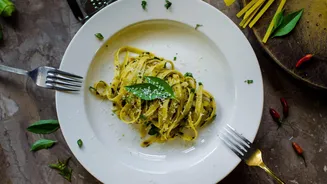
While basil gets all the attention when it comes to pesto, parsley makes a fantastic and budget-friendly alternative. A parsley pesto has a more peppery and earthy flavour profile. Simply blend a large bunch of flat-leaf parsley with garlic, olive oil, lemon juice, and your choice of nuts, like walnuts or almonds. Parmesan cheese adds a savoury depth, but it can be left out for a vegan version. This versatile sauce can be tossed with pasta, spread on sandwiches, dolloped onto pizza, or used as a marinade.
A Surprisingly Silky Soup
When you have a truly large quantity of parsley to use, one of the most inventive options is a creamy parsley soup. This dish transforms the herb from a background note into the main event. By simmering whole bunches of parsley with aromatics like onions or leeks, garlic, and a starchy element like potatoes, you create a flavourful base. Once blended, the soup becomes velvety and vibrant green. A touch of cream or yogurt can be added for extra richness. It’s a unique and elegant way to celebrate the fresh, grassy flavour of the herb in a completely new context.