




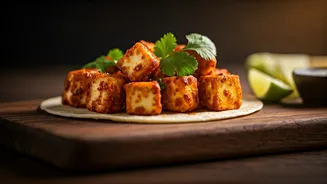


Meet the New Champion: Aglio e Olio
The dish taking over is surprisingly not Indian, but Italian in origin: Pasta Aglio e Olio. Pronounced 'ah-lyoh eh oh-lyoh,' it translates to 'garlic and oil.' That’s it. At its heart, this is a minimalist masterpiece—spaghetti lightly tossed in a warm
emulsion of olive oil, slivered garlic, and a pinch of red chilli flakes. It's a dish born from simplicity, often considered a late-night snack in Italy. Yet, in India, it’s becoming a go-to meal for a generation juggling packed schedules, global tastes, and the eternal question: 'What’s for dinner?' Its rise from a niche restaurant item to a household staple is a story about more than just food; it's about how we live now.
The Appeal of Simplicity
In a country celebrated for its complex masalas and multi-step cooking processes, the sheer simplicity of Aglio e Olio is revolutionary. It demands no grinding, no lengthy simmering, and no laundry list of spices. Most recipes call for fewer than seven ingredients, nearly all of which are now readily available in local supermarkets, not just speciality stores. The cooking time? Under 15 minutes, or as long as it takes to boil pasta. This makes it the perfect antidote to urban exhaustion. For young professionals, working couples, and students living away from home, it offers a way to eat a satisfying, home-cooked meal without sacrificing an entire evening to the kitchen. It’s the culinary equivalent of a deep, relaxing sigh after a long day.
A Familiar Flavour Profile
While the dish is foreign, its core flavours are deeply familiar to the Indian palate. Garlic and chilli are the foundational notes of countless Indian dishes. The sizzling of garlic in hot oil is a sensory cue that promises something delicious is on its way, whether it’s for a tadka dal or a plate of pasta. This flavour bridge makes Aglio e Olio an easy and intuitive leap for Indian home cooks. It doesn't feel alien. Instead, it feels like a new, exciting application of beloved ingredients. Many have even begun to 'Indianise' it, adding a sprinkle of fresh coriander, a handful of vegetables, or even a dash of paneer, proving its versatility and adaptability.
Fueled by the 'Gram
You cannot discount the power of the internet in this culinary takeover. Aglio e Olio is incredibly photogenic. The glistening spaghetti, the golden flecks of garlic, and the red pop of chilli flakes look stunning on screen, making it a star on Instagram feeds and YouTube cooking channels. During the lockdown, when millions turned to their kitchens for creativity and comfort, quick and aesthetically pleasing recipes went viral. Countless 'How to make perfect Aglio e Olio' videos flooded the internet, demystifying the dish and presenting it as an achievable luxury. It became a symbol of sophisticated but effortless home cooking, a small way to feel worldly and accomplished without ever leaving the house.
Redefining 'Comfort Food'
Ultimately, the rise of Aglio e Olio signals a broadening definition of what 'comfort food' means in India. It's no longer just about nostalgia and the tastes of childhood. For a new generation, comfort also means convenience, ease, and a sense of personal well-being. A dish that nourishes you without draining your time and energy is a new kind of comfort. It's a dish that says, 'You can have a delicious, warm meal even when you're tired.' It doesn't seek to replace the iconic Indian comfort classics, but to exist alongside them, offering a different kind of solace for a different kind of day. It’s comfort food for the modern Indian soul.