




The debate for the ultimate movie-night snack has a new contender. While popcorn has long held the crown, puffed ragi, a nutrient-dense millet snack, is making a strong case. But which is better for you? And can you make it at home?
The Nutritional Showdown
When comparing these
two puffed snacks, it's a tale of different strengths. Popcorn, a whole grain, is celebrated for its high fiber content and low calorie count when air-popped, which aids digestion and promotes a feeling of fullness. It also contains beneficial antioxidants. However, ragi, or finger millet, is a nutritional powerhouse in its own right. It boasts significantly more calcium than any other cereal, making it excellent for bone health. Ragi is also packed with iron and protein. While plain popcorn is a healthy choice, its nutritional value often gets diluted by butter, salt, and oil. Ragi, on the other hand, brings a dense nutrient profile to the table right from the start.
Taste, Texture, and Versatility
Beyond nutrition, the snacking experience matters. Popcorn offers a light, airy crunch with a familiar, mildly sweet corn flavour that acts as a perfect canvas for both butter and spices. Puffed ragi offers a different experience. The pops are smaller, denser, and have a uniquely nutty and earthy flavour. Their texture is crisp and light. This distinct taste means they can be enjoyed with minimal seasoning, but they also pair beautifully with classic Indian spices like cumin and turmeric or even sweet toppings like jaggery and dark chocolate.
Why Ragi is a Modern Superfood
Ragi's resurgence is tied to a broader interest in traditional, sustainable grains. As a millet, it's naturally gluten-free, making it a fantastic option for those with sensitivities. It also has a low glycemic index, which helps in managing blood sugar levels, a significant benefit for diabetics. The high fiber content keeps you feeling full for longer, which can aid in weight management. Historically a staple in many parts of India for thousands of years, ragi is now being rediscovered for its ability to fit seamlessly into a modern, health-conscious lifestyle.
Your Guide to Homemade Ragi Pops
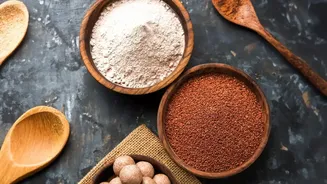
Making your own ragi pops is surprisingly simple and requires no special equipment. The key is to use whole ragi grains. Start by giving the grains a quick rinse, then soak them in water overnight. The next day, drain them completely and spread them on a cloth to dry for a few hours until they are no longer damp. To pop them, heat a heavy-bottomed pan or kadai over high heat. Once it's very hot, add a handful of the dried ragi grains. Stir them continuously. In a minute or two, you will see them start to sputter and pop, much like tiny mustard seeds. Once the popping subsides, immediately remove them from the pan to prevent burning. Let them cool completely, and you’ll have a bowl of crunchy, homemade ragi pops.
Dressing Up Your Ragi Pops
Once you have your base of plain ragi pops, the flavour possibilities are endless. For a savoury 'chaat' style snack, toss the warm pops with a pinch of salt, chaat masala, and red chilli powder. You can also add roasted peanuts, curry leaves, and dried coconut flakes for a classic 'chivda' mix. For a sweet treat, melt some dark chocolate with a teaspoon of coconut oil and toss the ragi pops until they are fully coated. Spread them on a sheet to cool and harden. You can also mix them with powdered jaggery and a little ghee for a more traditional, iron-rich sweet snack.