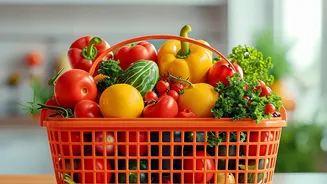

The move towards plant-based eating is a global phenomenon, but it doesn't require a trip to a specialty store. For many in India, a healthier, more varied diet can begin by simply rediscovering the incredible power of our own kitchens.
The Power in Your Pantry
Adopting a plant-based
diet can seem daunting, often associated with exotic ingredients and unfamiliar recipes. However, the foundation of a robust and varied plant-forward lifestyle is already present in the traditional Indian pantry. For generations, Indian cuisine has masterfully used pulses, whole grains, nuts, and seeds to create meals that are not only flavourful but also nutritionally complete. It's a culinary heritage that perfectly aligns with modern wellness goals. Rather than overhauling your eating habits, the shift can be as simple as looking at familiar ingredients with fresh eyes and understanding the immense value they hold.
The Humble, Mighty Pulse
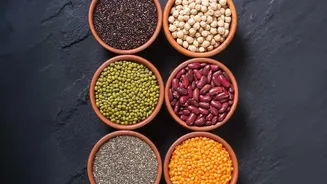
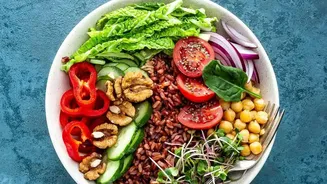
Pulses are the backbone of Indian vegetarian cooking, and for good reason. Lentils (dals), chickpeas (chana), and kidney beans (rajma) are excellent sources of plant-based protein, dietary fibre, and essential minerals like iron and magnesium. A simple bowl of toor, moong, or masoor dal provides a substantial protein boost. But their versatility is their true strength. Beyond daily dal, think of using chana in vibrant salads, turning rajma into hearty patties for burgers, or sprouting moong beans for a crunchy, nutrient-dense addition to any meal. By rotating through the vast variety of pulses available, you effortlessly introduce different nutrients and textures into your diet.
Beyond Wheat and Rice
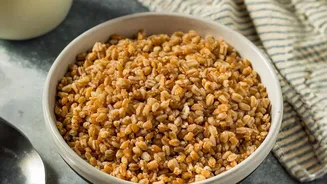
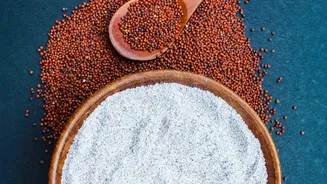
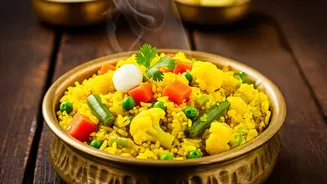
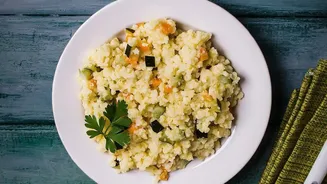
While rice and wheat are staples, India’s grain basket is far richer. Ancient whole grains, especially millets, are making a well-deserved comeback. Jowar (sorghum), bajra (pearl millet), and ragi (finger millet) are naturally gluten-free and have a lower glycaemic index, which helps in managing blood sugar levels. These grains are packed with fibre, vitamins, and minerals; ragi, for instance, is exceptionally rich in calcium. You can incorporate them easily by making jowar or bajra rotis, preparing a nutritious ragi porridge, or using foxtail millet to create a healthier version of upma or khichdi. This not only diversifies your nutrient intake but also adds new flavours and textures to your daily meals.
Nuts and Seeds for a Nutrient Boost
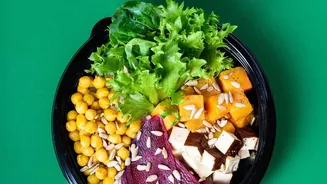
Often used as a garnish or in sweets, nuts and seeds are nutritional powerhouses that deserve a more central role. Almonds, walnuts, sesame seeds (til), flaxseeds (alsi), and pumpkin seeds are rich in healthy fats, protein, vitamins, and antioxidants. A handful of soaked almonds can be a great start to the day. Ground flaxseed can be stirred into roti dough or smoothies for a boost of omega-3 fatty acids. Sesame seeds are a cornerstone of many chutneys and spice mixes, providing calcium and healthy fats. Even makhana (fox nuts), a low-calorie seed, is a fantastic source of protein and fibre, perfect for healthy snacking.
Putting It All Together
The true genius of traditional Indian cuisine lies in its understanding of food synergy. Many classic meals are, by design, complete protein sources. Combining a grain with a pulse—like in dal-chawal, rajma-chawal, or roti with dal—ensures you get all nine essential amino acids that your body needs. The dal, rich in the amino acid lysine but low in methionine, is perfectly complemented by rice or wheat, which has the opposite profile. By consciously including a variety of pulses, a mix of whole grains, and a sprinkling of nuts and seeds throughout your day, you create a diet that is balanced, satisfying, and far from monotonous.