



A Shift in Monsoon Mentality
Traditionally, the Indian monsoon season, from June to September, has meant either embracing the rains in places like Kerala and Goa or staying home. However, a noticeable trend has emerged: a deliberate move towards destinations that don't just endure
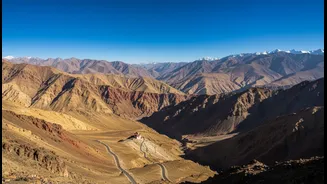
the monsoon but are actually at their prime because they escape it. This shift is driven by a new generation of travellers who are experience-led and seek adventure over conventional holidays. Instead of navigating waterlogged streets, they are choosing the open, accessible, and breathtakingly arid landscapes of the trans-Himalayan region.
The Rain Shadow Advantage
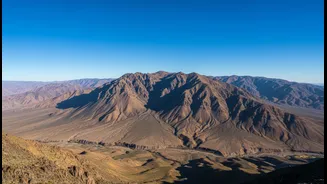
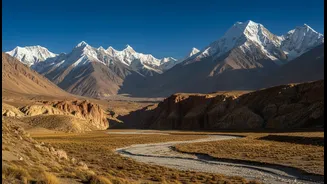
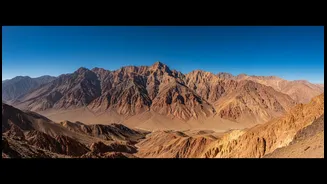
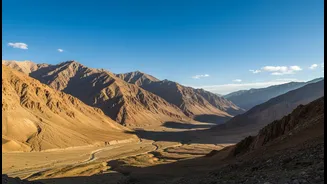
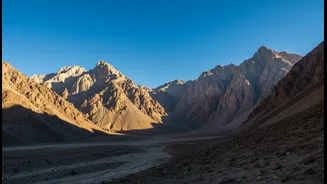
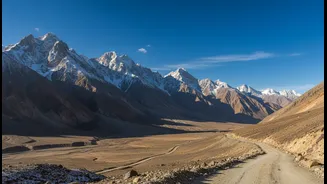
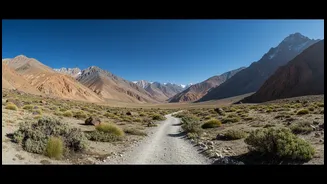
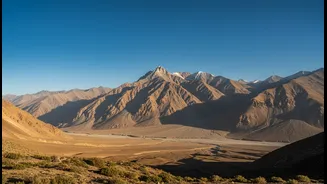
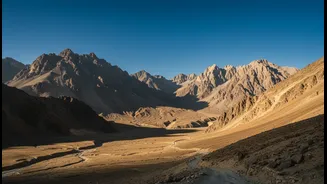
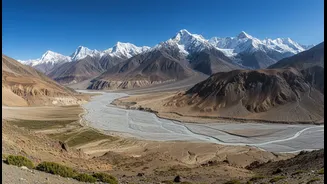
The magic behind this trend lies in a simple geographical phenomenon: the rain shadow effect. The towering Himalayan ranges act as a massive barrier, preventing the moisture-laden monsoon clouds from crossing over into Ladakh and Spiti. While the rest of the country receives heavy rainfall, these high-altitude deserts remain remarkably dry, with clear blue skies and pleasant daytime temperatures. This unique climate makes them ideal for trekking, road trips, and photography at a time when such activities are difficult or impossible in other mountainous areas.
Ladakh: The High-Altitude Playground
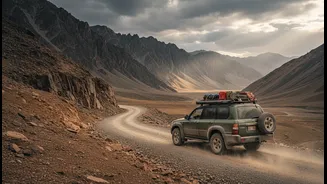
Ladakh has become a poster child for this new travel trend. During the monsoon months, it offers a perfect combination of accessibility and adventure. With the main approach roads from Manali and Srinagar generally open (though travellers should always check for landslide warnings in the lower reaches), the region is a magnet for motorcyclists and road-trippers. The weather is ideal for exploring the dramatic landscapes of Nubra Valley, the serene beauty of Pangong Lake, and the ancient monasteries perched on cliffs. While other destinations are crowded in summer, the monsoon season can offer a slightly less crowded experience in Ladakh, with the landscape occasionally showing a rare hint of green.
Spiti: Raw, Remote and Ready to Explore
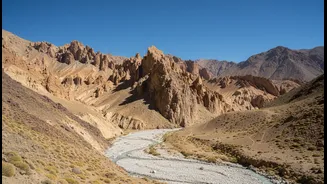
Often called 'Little Tibet', Spiti Valley in Himachal Pradesh offers a more rugged and off-the-beaten-path alternative. Like Ladakh, it lies in a rain shadow area, making it a prime monsoon destination. The journey to Spiti is an adventure in itself, with challenging roads that reward the persistent with otherworldly vistas. During monsoon, the valley is less crowded, allowing for more intimate interactions at ancient monasteries like Key and Tabo and authentic experiences in remote villages through homestays. This is also a time for vibrant local festivals, such as the La Darcha Fair, which celebrates the region's unique culture.
More Than Just Good Weather
This trend isn't just about escaping the rain. It's fueled by a larger shift in Indian travel culture towards adventure and experiential journeys. Travellers are increasingly seeking out physically engaging and culturally immersive trips. The rise of social media has also played a huge role, with stunning images of Ladakh's blue lakes and Spiti's stark mountains inspiring a new wave of visitors. The improved infrastructure, including better roads and a growing number of homestays and guesthouses, has made these once-remote regions more accessible to a broader range of travellers, from hardcore adventurers to families seeking a unique holiday.