







Secure Your Belongings First
Peace of mind is the first step to a comfortable journey. A common concern in shared spaces is the security of your luggage. Before settling in, make it a priority to secure your bags. Most berths have metal loops or rings underneath the lowest seat.
Pack a sturdy lock and chain—a bicycle lock works well—and fasten your primary suitcase or backpack to these fixtures. This simple act prevents grab-and-run theft, especially at stations where people get on and off throughout the night. For valuables like your wallet, phone, and documents, keep them in a small pouch or fanny pack that you can keep on your person, even while you sleep. Sleeping with this pouch under your pillow is another common practice.
Choose the Upper Berth Advantage
When booking your ticket, always try to select the upper berth. This spot is the most private and secure in a sleeper compartment. You are out of the way of general foot traffic in the aisle, and it is much harder for anyone to disturb you or your belongings while you sleep. Furthermore, the upper berth is yours for the entire journey; you won't be asked to fold it up during the day so others can sit, which is standard practice for the middle and lower berths. This gives you a personal space you can retreat to whenever you wish. Just remember to be prepared for the climb up and down.
Create a Personal Comfort Kit
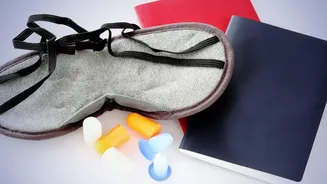
Sleeper class coaches are non-air-conditioned and do not provide bedding like their AC counterparts. To ensure a good night's rest, you must bring your own comfort items. A lightweight blanket or a sleeping bag liner is essential, as even non-AC coaches can get chilly at night from the open windows. An inflatable or memory foam travel pillow will provide crucial neck support. To block out the inevitable noise and light from fellow passengers and station stops, a good pair of earplugs and an eye mask are non-negotiable. These items create a personal cocoon, insulating you from your surroundings and significantly improving your chances of sleeping soundly.
Pack for Hygiene and Health
Maintaining hygiene on a long journey is crucial for your comfort and health. The toilets on trains can be challenging, so pack accordingly. A roll of toilet paper, wet wipes, and a bottle of hand sanitiser are absolute essentials. These will come in handy not just for bathroom visits but also for wiping down your berth area and cleaning your hands before eating. It is also wise to carry a small first-aid kit with basics like pain relievers, bandages, and any personal medications you might need. For food safety, stick to packaged snacks or food from official IRCTC staff rather than items from unofficial vendors.
Stay Powered and Hydrated
Long train journeys, often with unexpected delays, require you to be self-sufficient. While charging points are available in sleeper coaches, they are few and often in high demand. A fully charged power bank is your best friend, ensuring your phone and other devices stay alive for communication and entertainment. Similarly, carry more water than you think you will need. A large reusable water bottle is a great, sustainable option. Having your own supply of water and dry snacks like biscuits, nuts, or homemade items means you won't have to rely on station vendors, especially late at night.
Dress for Comfort and Convenience
Your choice of clothing can make a big difference. Opt for comfortable, breathable, and layered clothing. Track pants and a t-shirt are a popular and practical choice. Layers allow you to adapt to changing temperatures, from a warm afternoon to a cool, breezy night. When it comes to footwear, slip-on shoes or sandals are ideal. You will need to take them off to get into your berth, and having shoes that are easy to slip on and off makes midnight trips to the washroom much more convenient.