





What Exactly Is El Niño?
At its core, El Niño is a natural and recurring climate pattern involving the unusual warming of sea surface temperatures in the central and eastern tropical Pacific Ocean. While it happens thousands of miles away, this oceanic heatwave is powerful enough
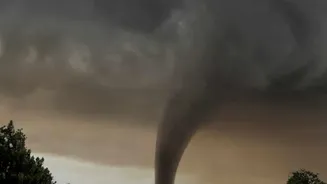
to disrupt weather patterns globally. For India, the most significant consequence is its well-documented tendency to interfere with the southwest monsoon, the country’s lifeline. A strong El Niño often correlates with weaker, delayed, or unevenly distributed monsoon rains, a scenario that weather agencies are predicting for the current season.
The Direct Hit on Agriculture
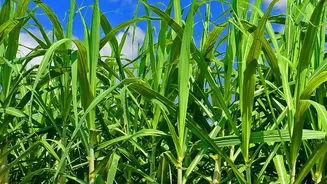
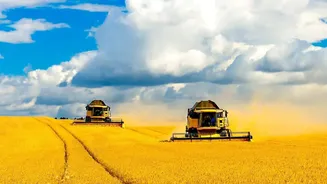
India's agricultural sector is deeply dependent on the monsoon, with a vast majority of its farmers relying on seasonal rains to cultivate their crops. An El Niño-disrupted monsoon can be devastating. Weaker rainfall means lower soil moisture, which directly impacts the sowing and growth of crucial kharif (monsoon) crops like rice, soybeans, maize, and cotton. Reports from September 2026 already indicate that a significant part of the country is grappling with drought conditions, putting standing crops under severe stress. For farmers, this translates to smaller harvests, reduced income, and the potential for increased debt. In past El Niño years, Kharif crop output has seen significant reductions, and similar concerns are rising again.
The Ripple Effect into Your Kitchen
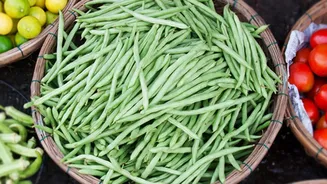
The impact of a poor monsoon doesn’t stop at the farm gate; it ripples directly into every household’s budget. Agriculture forms the bedrock of the rural economy and has a direct bearing on food inflation. When crop yields fall, the supply of essential commodities tightens, pushing prices up for everyone. The costs of vegetables, pulses, sugar, and grains are all sensitive to the performance of the monsoon. Even prices for poultry and eggs can rise, as a poor maize harvest increases the cost of animal feed. With food inflation already a concern, a weak monsoon driven by El Niño threatens to strain household finances further just as the festive season approaches.
Is a Poor Monsoon Guaranteed?
While the link between El Niño and a weak Indian monsoon is strong, it is not an absolute certainty. Other climate phenomena can play a role, sometimes acting as a counterbalance. One such factor is the Indian Ocean Dipole (IOD), an ocean-atmosphere interaction in the Indian Ocean itself. A 'positive' IOD, characterized by warmer waters in the western Indian Ocean, can help enhance monsoon rains over India and potentially offset some of El Niño’s drying effects. In some past years, a positive IOD has helped moderate the impact of an El Niño. However, predicting the interplay between these massive climate drivers is complex, and the dominant force this year appears to be a very strong El Niño.
What to Watch For
For farmers, the coming weeks are critical. Government advisories on water management, crop choices, and pest control will be vital. Shifting to more drought-resistant crops like millets or pulses could be a key strategy for mitigating risk. For households, it means keeping a close eye on food budgets. The prices of staples are likely to see volatility. While government interventions, such as releasing food stocks or subsidizing key items, can cushion the blow, consumers should anticipate and plan for a period of elevated food prices. Monitoring rainfall patterns and official forecasts from the India Meteorological Department (IMD) will provide the clearest picture of how the rest of the season is likely to unfold.