





The Big Picture: A 'Godzilla' El Niño
Forget the usual winter playbook. Meteorologists are forecasting a strong, or even "Super" El Niño event to peak between October and December 2026, with its effects lasting into early 2027. Unlike its counterpart La Niña, which often brings colder winters
to North India, El Niño is characterized by warmer sea surface temperatures in the Pacific. This typically leads to warmer and drier winter conditions across many parts of India. The World Meteorological Organization (WMO) has warned that this event is strengthening and could lead to above-normal temperatures for most land areas globally, including India, through the end of the year. This doesn't mean winter is cancelled, but it does suggest a season of unusual patterns that travellers should watch closely.
Himalayan Highs: Less Snow, More Surprises?
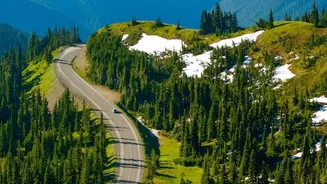
For those dreaming of a white Christmas in Manali, Shimla, or Kashmir, this year's forecast demands attention. While the winter season is generally ideal for visiting the Himalayas before heavy snow closes high passes, a warmer trend could alter the experience. A strong El Niño can disrupt the Western Disturbances that bring crucial winter snowfall to the northern mountains. This might translate to less accumulated snow, potentially impacting ski season in places like Gulmarg and Auli. However, it could also mean that lower-altitude destinations in Uttarakhand and Himachal Pradesh remain accessible for longer. Instead of guaranteed snow-laden landscapes, travellers might find clearer skies and pleasant, sunny days, which are perfect for trekking and sightseeing, but they should be prepared for sudden shifts in weather.
Coastal and Southern India: A Delayed Retreat?
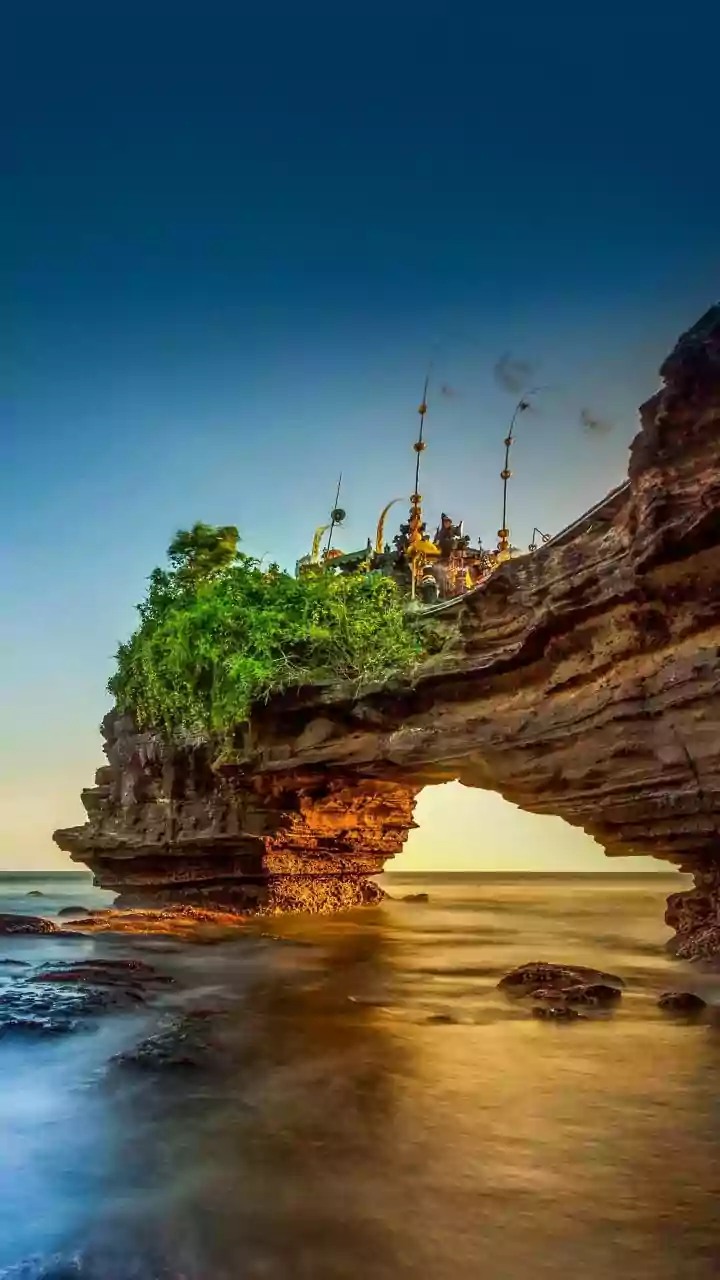
The 2026 southwest monsoon is already showing signs of an irregular, deficit season, with a withdrawal expected to start around September 19, slightly later than usual. For popular winter sun destinations like Goa, Kerala, and the Andamans, the primary concern isn't the cold, but the lingering effects of the monsoon and the potential for post-monsoon cyclonic activity. A warmer ocean can fuel such systems. While November to March is typically the prime season for these coastal areas, travellers in October and November should monitor forecasts for extended rainfall. The good news is that a warmer winter overall means the pleasant, sunny conditions that define a South Indian holiday are very likely, but flexibility in the early part of the season is key.
Plains and Palaces: A Milder Winter for Sightseeing
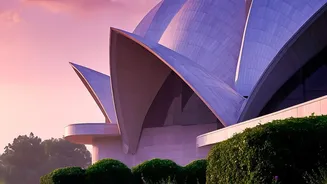
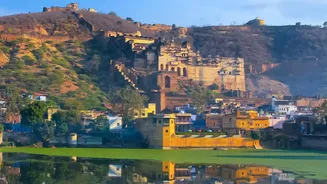
The classic 'Golden Triangle' trip through Delhi, Agra, and Jaipur, as well as explorations of Rajasthan's deserts, thrives in the cool, crisp air of a typical Indian winter. This year, the El Niño effect suggests that the season may be milder than usual, with fewer intense cold waves. Daytime temperatures are expected to be comfortable, creating perfect conditions for exploring forts, palaces, and bustling markets. However, one downside of a warmer, drier winter in the northern plains is the potential for increased air pollution. Without the cleansing effect of strong winter showers, smog can linger, particularly in cities like Delhi. Travellers, especially those with respiratory sensitivities, should keep this in mind.
Smart Travel Tips for an El Niño Winter
Given the unpredictable nature of an El Niño winter, savvy planning is more important than ever. First, prioritize booking flexible or refundable flights and accommodations where possible. Second, pack layers. Even with a warmer trend, temperatures can drop suddenly, especially at night in the north. Third, stay informed. Keep a close eye on forecasts from the India Meteorological Department (IMD) as your travel dates approach. Finally, for Himalayan trips, check road conditions and accessibility with local operators before you go, as weather can change rapidly in the mountains. For coastal plans, have a backup indoor activity in mind in case of unexpected rain.