







The Rise of Slower Journeys
The first pillar of this new travel philosophy is a deliberate slowdown. Forget the frantic dash from airport to hotel to museum. 'Slow travel' is about choosing depth over breadth. Instead of ticking off a dozen sights, it encourages travellers to rent
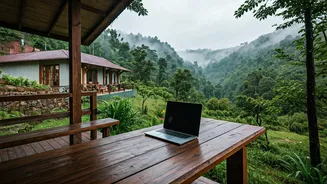
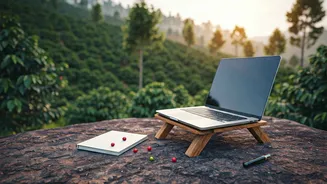
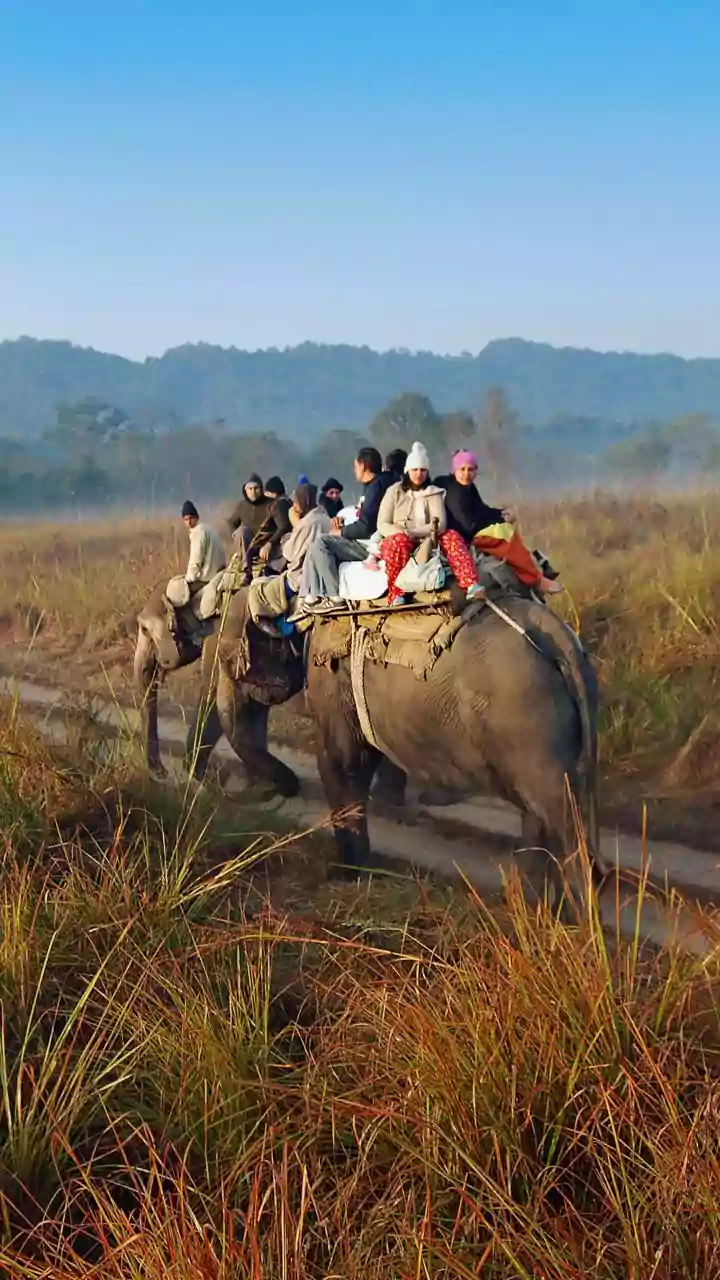
an apartment for a few weeks, get to know the neighbourhood baker, and understand the rhythm of a place. This isn't about being lazy; it's about being present. This trend has been supercharged by the rise of remote work. The 'workation'—combining work with an extended stay in a new location—allows professionals to immerse themselves in a different culture without using up all their annual leave. It swaps a hurried week for a richer, more integrated month. We're also seeing a revival of slower modes of transport. The romance and scenery of a long train journey are winning out over the sterile efficiency of a budget flight, turning the travel itself into a core part of the experience.
A Softer Footprint, A Softer Pace
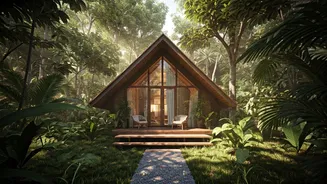
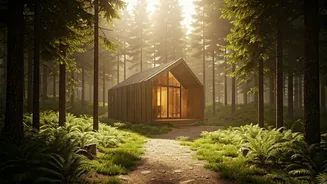
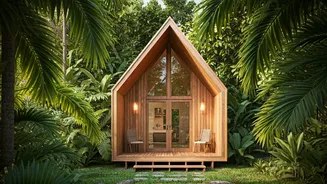
Travel is also getting 'softer'—both on the planet and on ourselves. The negative impacts of 'overtourism' on popular destinations like Venice and Barcelona have been well-documented, leading to a surge in conscious consumerism. Travellers are increasingly seeking out destinations that benefit from their visit. This has given rise to 'regenerative travel,' a step beyond mere sustainability. While sustainable travel aims to leave no trace, regenerative travel aims to leave a place better than you found it. This could mean staying at an eco-lodge that funds a local conservation project, volunteering for a beach clean-up, or patronising businesses owned by local communities. The 'softer' approach also applies to the traveller's own well-being. The frantic holiday that leaves you needing another holiday to recover is being replaced by trips focused on wellness, rest, and mental rejuvenation. Think yoga retreats, digital detoxes, or simply holidays with no fixed itinerary, allowing for spontaneity and relaxation.
Smarter, More Intentional Trips
Finally, our travel plans are getting 'smarter.' This isn't just about using technology to find the cheapest flight. It's about using tools to create more meaningful experiences. Smart travellers use apps to connect with locals for a home-cooked meal, learn a few phrases of the local language before they go, or discover hidden gems recommended by residents, not just guidebooks. Smarter travel is intentional travel. It starts with asking 'why' you want to go. Is the goal to learn a new skill, like cooking or pottery? Is it to connect with ancestral roots? Or is it to contribute to a cause you care about? This purpose-driven approach transforms a simple vacation into a journey of personal growth. Travellers are becoming more discerning, prioritising unique experiences that align with their values over generic, mass-market tourist packages. They are trading crowded monuments for intimate cooking classes and swapping luxury hotel chains for stays that offer authentic connection.