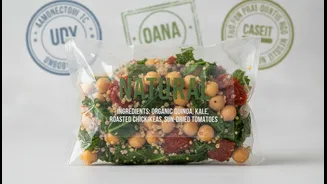








The 'Natural' Myth on Supermarket Shelves
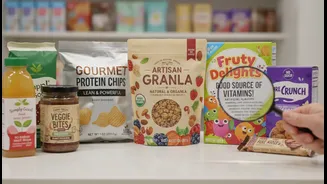
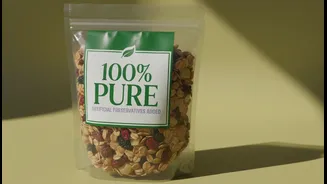
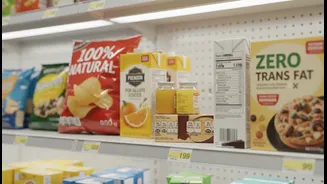
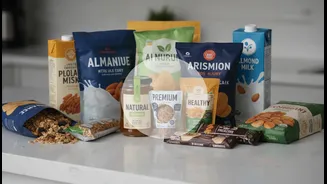
For years, words like 'natural,' 'fresh,' 'pure,' and 'healthy' have been powerful marketing tools for food companies. Plastered across everything from biscuits and juices to noodles and oils, these terms are designed to attract health-conscious shoppers.
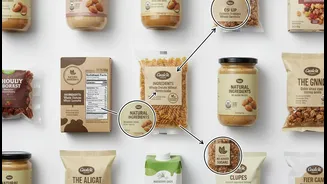
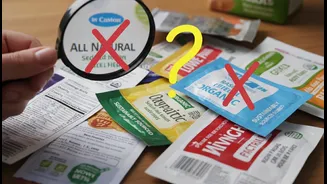
However, the reality is often quite different. A product labelled 'natural' can sometimes contain highly processed ingredients, additives, and synthetic flavours. Recent actions by the Food Safety and Standards Authority of India (FSSAI) highlight this disconnect. For instance, the regulator questioned a brand of ramen noodles claiming to be '100% Natural' while allegedly using regular white flour instead of the advertised 'organic flour'. Another notice was sent to a company selling cream buns advertised as '100% Natural' and free of preservatives, even though the ingredient list declared preservatives and synthetic colours. These examples show how a simple, appealing word on the front of a package can obscure a more complex and less 'natural' truth on the back.
What Are the Rules on Misleading Claims?
FSSAI's actions are not new but represent a stricter enforcement of existing laws, particularly the Food Safety and Standards (Advertising and Claims) Regulations, 2018. These regulations state that terms like 'natural,' 'fresh,' 'original,' and 'pure' can only be used if a product is not processed in any way that alters its basic characteristics. If a brand uses these words as part of a trademark, they must include a disclaimer clarifying that it's just a brand name and doesn't represent the food's true nature. The regulator has been actively issuing notices to companies for making unsubstantiated claims. For example, a juice was flagged for its 'No Added Sugar' claim because it contained sugarcane juice, which is a form of sugar. Similarly, a '100% Atta' biscuit was scrutinised when it was found that whole wheat flour only made up about 72% of the product. This crackdown insists that any health or nutrition claim must be backed by scientific evidence.
How to Be a Smarter Shopper
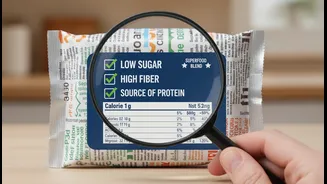
The key takeaway for consumers is that the front of the pack tells a story, but the back tells the facts. FSSAI's crackdown empowers you, but it also requires you to be more vigilant. First, always turn the package over and read the ingredient list. Ingredients are listed in descending order of weight, so the first few items make up most of the product. If sugar or a processed element is near the top of a 'natural' product, be sceptical. Second, check the nutritional information. Pay attention to the amounts of sugar, sodium, and saturated fat. A 'healthy' snack might be packed with hidden sugars. Third, look for the FSSAI logo and license number, which shows the product is registered with the regulator. Be wary of vague claims like 'boosts immunity' or 'removes toxins' unless they are scientifically substantiated, which is rare for proprietary foods. Also, understand that a claim of 'FSSAI Approved' is misleading; the authority licenses businesses but does not 'approve' individual products in that manner.
What's Next for Food Labels in India?
The regulatory landscape for food labelling is continuously evolving. In March 2026, FSSAI released the Food Safety and Standards (Labelling and Display) First Amendment Regulations, which will come into force on July 1, 2027. These amendments refine rules around nutritional information, especially for infant food, and introduce stricter traceability for non-retail containers. The authority has also been focusing on other specific labels, such as a new mandatory logo for vegan products to avoid consumer confusion. The increased scrutiny from FSSAI, amplified by consumer complaints on social media, means that brands are under more pressure than ever to ensure their labels are accurate. While notices from the regulator are the first step in a verification process and not proof of guilt, the potential damage to a brand's reputation often serves as a powerful deterrent. As a consumer, this increased vigilance from the top means you can expect to see more transparent and honest labelling in the future, but the habit of checking the fine print remains your best tool.