
The Myth of a Monolithic Indian Diet
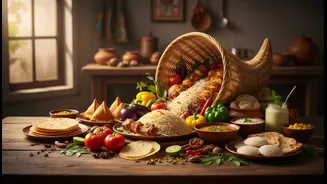
Ask someone to describe 'Indian food', and they might mention naan, butter chicken, or perhaps dal makhani. While delicious, this barely scratches the surface of a culinary landscape that changes every few hundred kilometres. The idea that a single diet
plan—often heavy on North Indian staples or Western nutritional concepts—can apply to everyone from Kerala to Kashmir is fundamentally flawed. Recent discussions, even at ministerial level, have highlighted that diet is personal and cannot be reduced to generalised charts. What works for one person's metabolism, lifestyle, and genetic makeup may not work for another. This one-size-fits-all approach ignores the vast agricultural and cultural diversity that is India's greatest nutritional treasure. It overlooks the unique regional eating habits that have nourished communities for centuries.
The Wisdom of Eating Seasonally and Locally
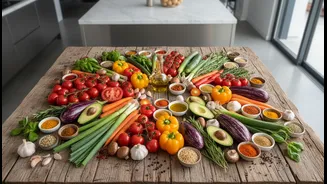
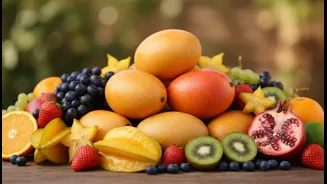
For generations, Indian households have naturally practised seasonal eating. Our grandparents didn't need complicated charts; they cooked with what was fresh, local, and abundant. This traditional wisdom is now being validated by modern science. Seasonal produce is fresher, more nutritious, and often more affordable. Eating with the seasons also supports better digestion and a healthier gut microbiome, as it naturally introduces a variety of foods into our diet throughout the year. For instance, cooling foods like watermelon and bottle gourd are summer staples for a reason, while winter brings nutrient-dense greens like sarson and methi, and vitamin C-rich fruits like amla. This approach is inherently sustainable, reducing the carbon footprint associated with transporting and storing out-of-season produce.
Celebrating Our Regional Nutritional Powerhouses
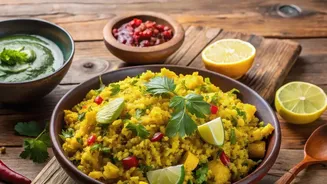
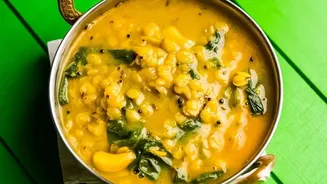
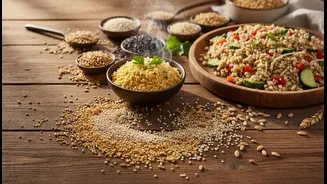
Instead of chasing imported 'superfoods', we can find incredible nutritional value in our own backyards. The millets of the Deccan plateau—like jowar, bajra, and ragi—are ancient grains making a comeback for good reason. They are packed with protein and fibre, have a low glycemic index, and are incredibly resilient crops suited to India's climate. A review of indigenous Indian foods found many to be richer in iron, calcium, and protein than conventional foods. The fermented foods of the South and Northeast, like idli, dosa, and pickles, are excellent sources of probiotics that support gut health. The coastal regions offer heart-healthy fats from fish and coconut, while the diverse vegetable dishes across the country provide a rainbow of essential phytonutrients.
Building Your Own Diverse and Balanced Plate
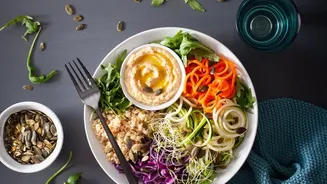
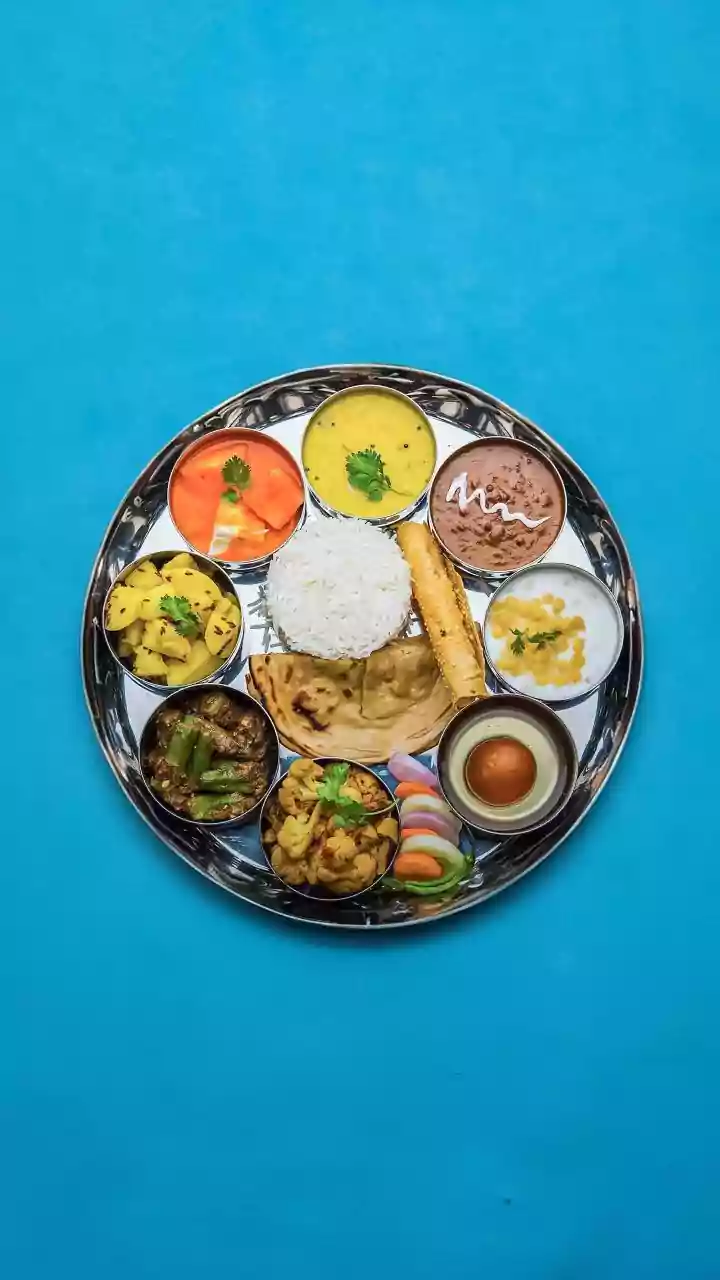
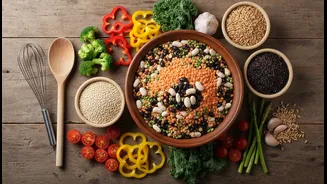
Embracing a diverse Indian plate isn't about abandoning structure; it's about finding a flexible, personal one. The principle of a balanced meal—combining carbohydrates, proteins, fats, and fibre—remains constant, but the ingredients can and should vary. A typical Indian thali is a masterclass in this, naturally incorporating grains, lentils, vegetables, and curd into a single, satisfying meal. Rather than following a rigid template, the goal is to listen to your body and your region. Explore the local market. Rediscover grains like bajra or foxtail millet. Cook a vegetable you haven't tried before. A balanced plate could mean rice and sambar in Tamil Nadu, bajra roti and dal in Rajasthan, or fish curry and red rice in Bengal. Each is a complete, nutritious meal tailored to its environment.