



The Allure of the Uncrowded Pandal
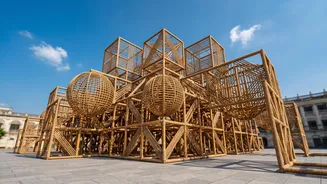
Why deviate from the famous pandal-hopping circuit? The answer lies in the experience. The giant, theme-based pujas in South Kolkata are spectacles of scale and budget, often replicating world monuments or built around complex social concepts. They are magnificent
but can be overwhelming, with long queues and dense crowds. Smaller pandals, in contrast, offer a chance to appreciate artistry up close. Here, you can admire the intricate details of a traditional idol, experience the warmth of a neighbourhood celebration, and feel the devotional atmosphere without the chaos. It’s in these community or 'para' pujas that you often find the most innovative themes and a genuine sense of connection to the festival's cultural roots.
North vs. South: Know Your Puja Geography
To plan an effective route, it helps to understand Kolkata’s geographical and cultural divide during Puja. South Kolkata is the hub of the blockbuster theme pujas, known for their massive budgets, contemporary designs, and fierce competition. Areas like Ballygunge, Gariahat, and Behala are where you will find many of the most talked-about pandals. North Kolkata, on the other hand, is the heart of traditional celebrations. It's famous for its 'Bonedi Bari' pujas held in ancestral aristocratic homes and its older community pujas that prioritize heritage and ritual over flashy themes. A balanced itinerary includes both, but for smaller gems, the lanes of the North are a treasure trove.
Discovering the Bonedi Bari Experience
One of the most unique ways to experience a smaller, more traditional Puja is by visiting a 'Bonedi Bari' or ancestral home. These are pujas hosted by Kolkata's old, wealthy families for generations, some for over two centuries. Unlike the massive community pandals, these celebrations take place within the grand courtyards of historic mansions, offering a glimpse into age-old rituals and a more intimate atmosphere. Many of these homes, such as the Sovabazar Rajbari and the mansion of Chatu Babu and Latu Babu, open their doors to visitors during the festival days. Exploring these heritage pujas, especially in North Kolkata, provides a direct connection to the history that earned the festival its UNESCO Intangible Cultural Heritage status.
A Strategy for Finding Hidden Gems
You won't find most smaller pandals on a formal map. The key is exploration. The best strategy is to visit one major pandal in an area and then simply wander into the surrounding residential lanes or 'paras'. Listen for the sound of the 'dhak' (drum) or ask local shopkeepers for directions. Following food and culture bloggers from the city on social media can also provide clues to lesser-known but artistically significant pandals. Don't try to see everything. Instead of rushing between 20 famous locations, pick a zone, like the area around Shyambazar or College Square in the North, and dedicate your time to exploring it on foot. This approach rewards spontaneity and leads to the most memorable discoveries.
Practical Tips for Your Pandal-Hopping Route
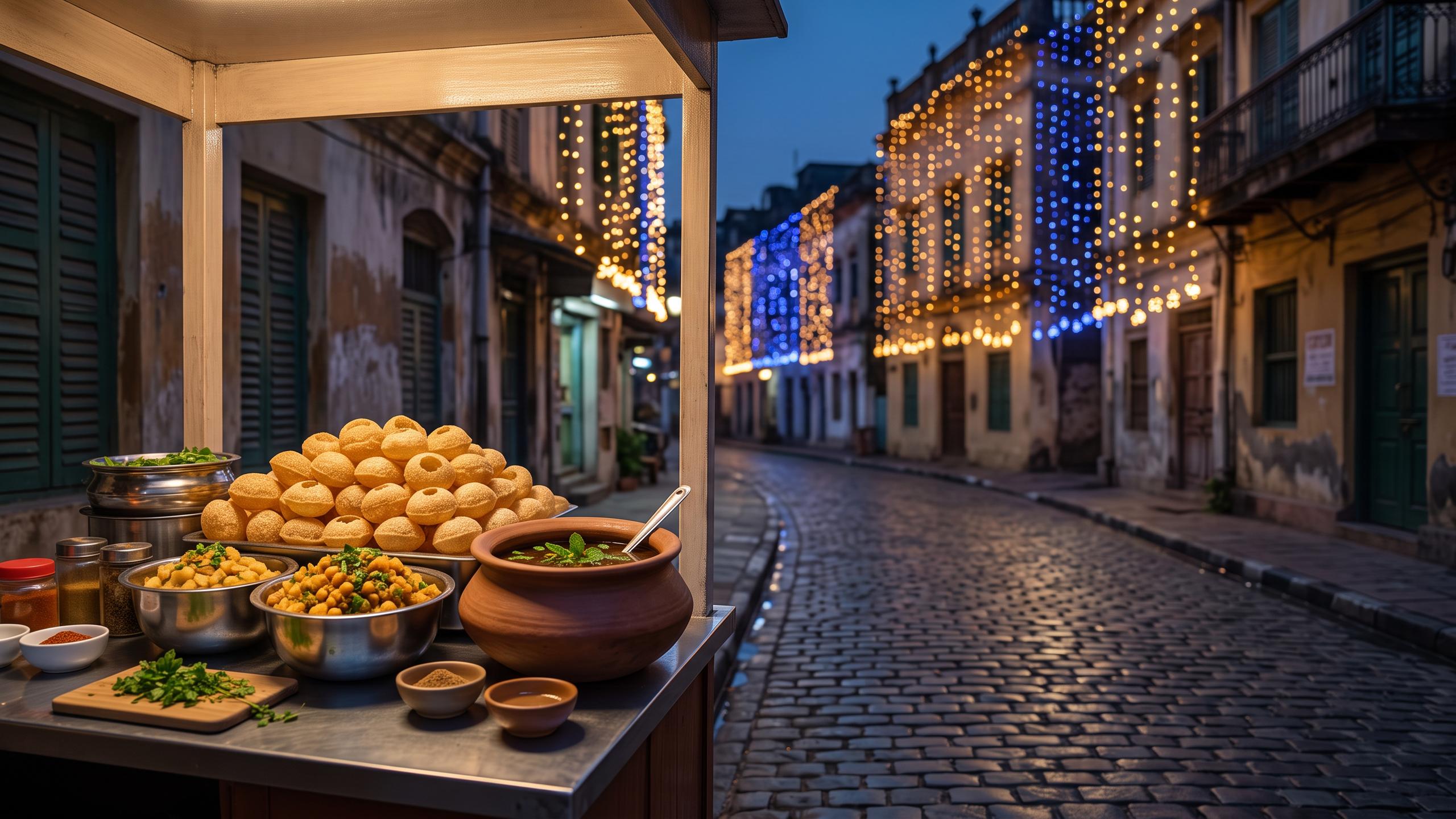
Logistics are crucial for a smooth experience. The Kolkata Metro is your best friend, as it runs with extended hours and is the most reliable way to move between major zones. Roads near popular pandals are often closed to traffic. Once you exit the metro in an area like Kalighat or Girish Park, walking is the fastest way to get around. Wear comfortable shoes, as you will likely walk for several kilometres. To avoid the worst of the crowds, plan your visits for the early morning (around 8-11 AM) or very late at night (after 1 AM). The peak rush is typically between 7 PM and midnight. Carry a water bottle and some cash for the ubiquitous street food stalls that are an essential part of the Puja experience.