




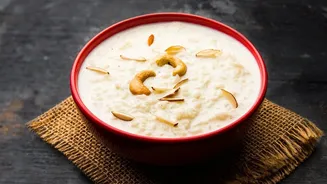
As the season turns, kitchens across India welcome the arrival of sitaphal, or custard apple. This guide offers everything you need to transform this unique fruit into Sitaphal Phirni, a creamy, fragrant, and utterly delightful dessert.
The Allure of Custard Apple
Sitaphal, with
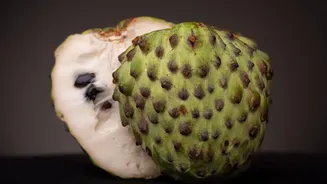
its bumpy green skin and sweet, granular pulp, is a beloved seasonal fruit. Its flavour is a unique blend of pear, banana, and pineapple, making it an exceptional ingredient for desserts. While delicious on its own, its creamy texture and fragrant notes are perfectly suited for phirni, a traditional rice pudding. Phirni is known for its velvety consistency, achieved by using ground rice instead of whole grains. When infused with fresh sitaphal pulp, this classic North Indian dessert is elevated to a new level of decadence, offering a taste that is both familiar and exciting.
Your Complete Ingredient Checklist
Gathering the right ingredients is the first step to a perfect phirni. The quality of your milk and the ripeness of your sitaphal will make all the difference. For four generous servings, you will need:
Rice: 3-4 tablespoons of Basmati rice, soaked for at least 30 minutes.
Milk: 1 litre of full-fat milk is essential for a rich and creamy texture.
Sitaphal (Custard Apple): 2-3 medium-sized ripe fruits, which should yield about 1 cup of pulp.
Sugar: 4-5 tablespoons, though you can adjust this based on the sweetness of your fruit and personal preference.
Flavouring: ½ teaspoon of green cardamom powder. A few strands of saffron, soaked in warm milk, are optional but recommended for colour and aroma.
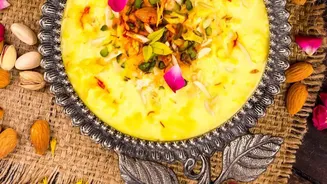
Garnish: 2 tablespoons of slivered nuts, such as pistachios and almonds. Dried rose petals can also add a beautiful finishing touch.
Essential Preparation Steps
Before you begin cooking, a couple of preparation steps are crucial. First, tackle the sitaphal. The easiest way to extract the pulp is to break the fruit in half, scoop out the flesh with a spoon, and transfer it to a large-meshed sieve placed over a bowl. Gently press and rub the pulp with the back of a spoon; the smooth pulp will pass through, leaving the seeds behind. Set the collected pulp aside. Next, prepare the rice. Drain the soaked rice completely and place it in a grinder. Add about 1/4 cup of milk and blend to a coarse, grainy paste. This texture is key to authentic phirni, so avoid grinding it into a fine powder.
Cooking the Phirni: A Step-by-Step Guide
With your ingredients prepped, you're ready to cook. Start by pouring the remaining milk into a heavy-bottomed pan and bringing it to a boil over medium heat. Once it boils, reduce the flame and slowly add the ground rice paste, stirring continuously to prevent any lumps from forming. Cook this mixture on low heat for 10–15 minutes, stirring frequently, until the rice is cooked through and the milk has thickened considerably. Now, add the sugar and continue to cook for another 2–3 minutes until it dissolves completely. Turn off the heat and let the phirni cool down slightly. It's very important that the mixture is warm, not hot, when you add the fruit. Stirring the hot mixture can sometimes cause it to curdle.
Bringing It All Together
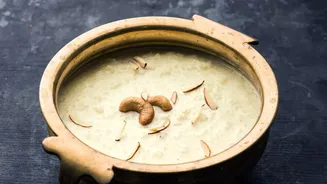
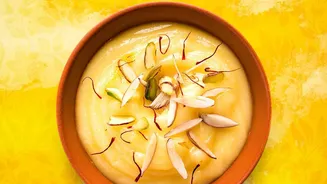
Once the phirni has cooled to a warm temperature, it's time for the final, magical step. Gently fold in the sitaphal pulp and the cardamom powder. If you are using saffron, add the saffron–infused milk at this stage as well. Mix everything together until just combined. The phirni will continue to thicken as it cools. Pour the mixture into traditional clay bowls, known as 'sakoras', or any individual serving dishes you prefer. The earthenware bowls are porous and absorb excess moisture, resulting in a thicker, denser phirni.
Tips for a Flawless Phirni
To ensure your Sitaphal Phirni is perfect every time, keep these tips in mind. Always use full–fat milk; skim or low–fat milk won't provide the necessary richness. Continuous stirring, especially after adding the rice paste, is non–negotiable to achieve a smooth, lump–free texture. Adjust the sugar after tasting your sitaphal pulp, as some fruits are sweeter than others. Finally, patience is key. Allow the phirni to chill completely, for at least 2–3 hours in the refrigerator. This dessert is always served cold, which allows the flavours to meld and the pudding to set to its signature consistency.