








Understanding the 'Flex' in Flexible Fares
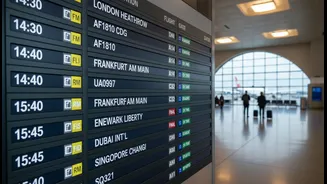
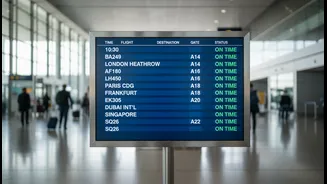
A flexible fare is an airline ticket that allows you to change your travel dates or times with minimal or no penalty fees. Unlike traditional, rigid tickets where a change could cost as much as a new flight, these fares are designed for adaptability.
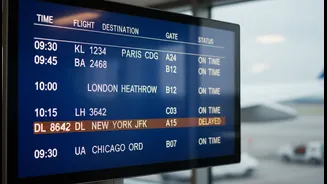
The most common feature is the waiver of high 'change fees'. However, it's crucial to understand that you will almost always have to pay the difference if the new flight you choose is more expensive than your original one. These are different from fully refundable tickets, which can be cancelled for a full cash refund; flexible fares prioritise the ability to change plans over cancelling them entirely.
A New Wave of Spontaneous Indian Travel
This shift in ticketing aligns perfectly with a broader trend in India towards more spontaneous, commitment-free travel. Gone are the days of the single, meticulously planned annual vacation. Today, travellers, particularly younger generations, are opting for multiple short getaways, often planned within days or even hours. A recent survey highlighted that 58% of Indian travellers are enthusiastic about impromptu trips. This is fuelled by the rise of remote work and a collective desire for experiences over fixed schedules. Instead of being locked into a destination, people now have the freedom to monitor weather patterns and book a last-minute trip to a sunny beach or escape an impending heatwave for cooler hills.
Which Airlines Offer Flexibility?
Most major airlines operating in India have embraced fare flexibility, though the specifics vary. Air India, for instance, offers a 'Flex' fare family as one of its 'Smart Fares', which allows changes at no cost. It also recently introduced fare families like 'Value' and 'Classic' which have different levels of flexibility and inclusions. Similarly, IndiGo promotes its 'Flexi Plus Fare', which provides benefits like complimentary seat selection and reduced change fees. Many international carriers like Emirates and Qatar Airways also have policies that provide flexibility, often allowing passengers to hold onto their ticket value for future travel. The key is to look for these specific fare categories—often labelled 'Flex', 'Flexi', or 'Freedom'—when you book.
Strategies for Smart Weather Chasing
Using flexible fares to follow the sun requires a mix of planning and spontaneity. Start by monitoring weather across a few potential destinations. When you see a good window of opportunity, you can act. One smart tactic is to book a flight to a major hub in a region you're interested in. From there, you can make a shorter, final-leg journey by road or a quick local flight, giving you maximum agility. Be prepared for fare differences; while the change fee might be zero, the new ticket price can be higher, especially closer to the travel date. The lifting of domestic airfare caps in India means prices are driven by market demand, so timing remains important. Acting a few days in advance, rather than a few hours, can help manage these costs.
Always Read the Fine Print
Flexibility is fantastic, but it's not without its rules. Before booking, always check the fare conditions. The most common catch is the fare difference, which, as mentioned, you are responsible for. Also, note the window for making changes. Airlines like IndiGo and SpiceJet have previously offered promotions where changes must be made at least 48 or 72 hours before departure. Be clear on whether the ticket allows a change or a cancellation for credit. A 'change' means you must pick your new flight at that time, while a 'cancellation for credit' gives you a voucher to use later, offering more freedom. Finally, the lowest 'Basic Economy' or unbundled fares rarely offer any flexibility, so be sure you are purchasing the correct fare type for your needs.