

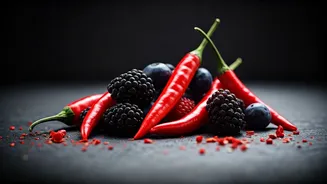


What Exactly Is 'Swicy'?
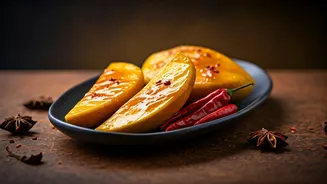
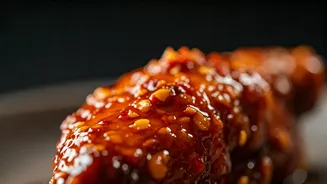
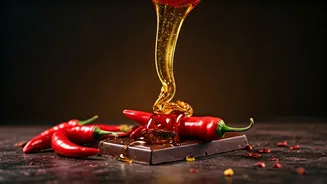
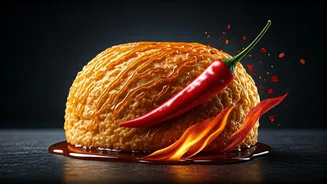
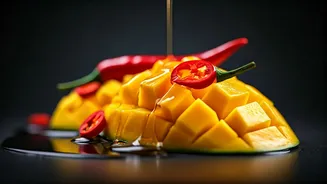
The term ‘swicy’ describes the culinary marriage of sweet and spicy flavours in a single dish. Think of hot honey drizzled on pizza, mango habanero glazes on chicken wings, or chili-infused chocolate. This trend has gained significant traction globally,
especially among younger consumers like Gen Z and Millennials who are on the lookout for more adventurous and complex eating experiences. Propelled by viral social media posts and innovative restaurant menus, 'swicy' has moved from a niche concept to a mainstream phenomenon. While the name might be new, having gained popularity in the early 2020s, the practice of pairing sweet with heat has deep roots in many global cuisines, including Thai, Korean, and Mexican.
The Original 'Swicy': India's Chutney Tradition
Long before 'swicy' was a hashtag, it was a staple on the Indian dining table, most perfectly embodied in our vast array of chutneys. Chutneys are the unsung heroes of Indian cuisine, providing a symphony of flavours that can elevate any meal. Consider the classic tamarind chutney (saunth), a sweet and tangy concoction made from tamarind pulp and jaggery, often with a gentle kick from ginger or other spices. Or the countless variations of mango chutney, which can range from sweet and ripe to tangy and spicy, using ingredients like sugar, vinegar, and chili. These condiments are a masterclass in balancing flavours. The 'chutney brain' is essentially a palate pre-programmed to appreciate this complexity—the dance between the sweetness of jaggery or fruit and the sharp heat of green or red chilies.
Beyond the Chutney Bowl
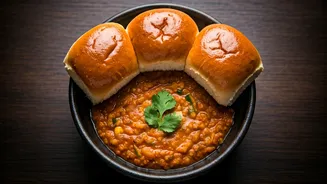
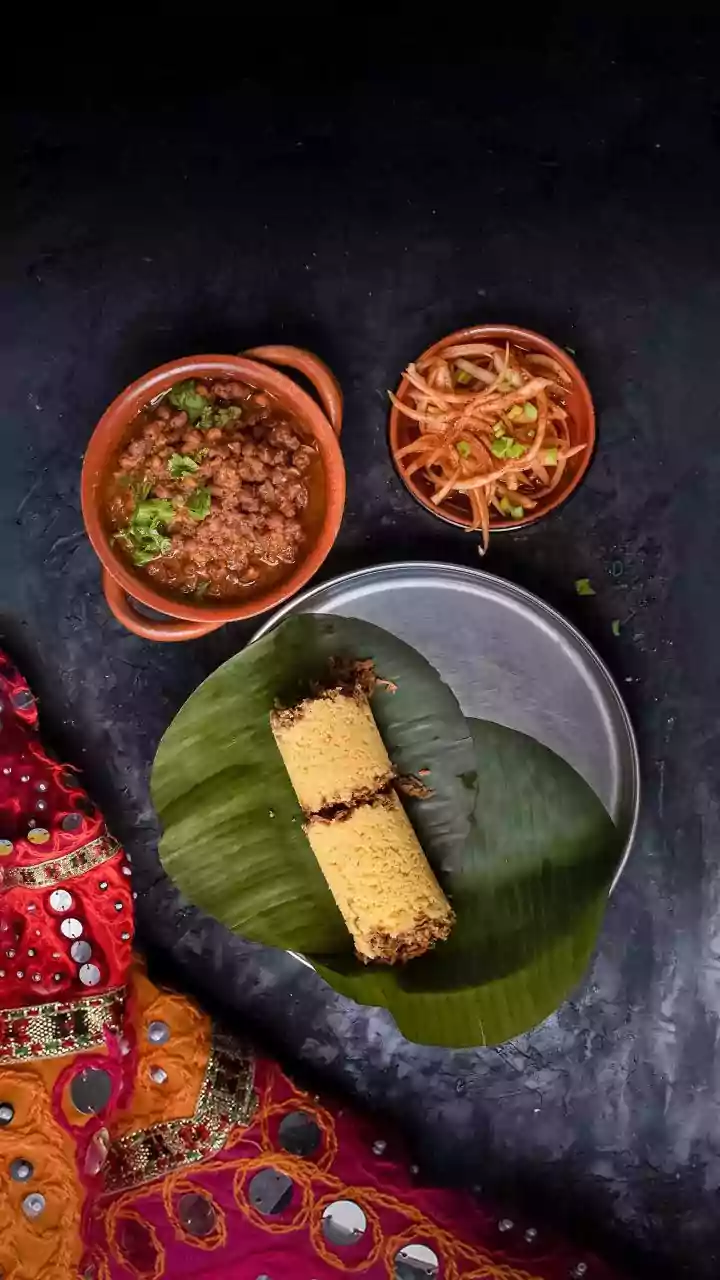
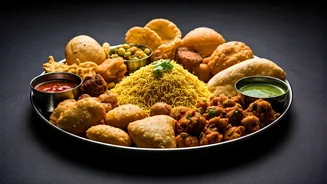
India's expertise in swicy flavours isn't limited to chutneys. It’s woven into the very fabric of our regional cuisines. Gujarati food, for example, has long championed the sweet and spicy combination. Dishes like dhokla are often served with chutneys that hit both notes, and traditional meals frequently feature a subtle sweetness from jaggery to balance the spices. Similarly, Parsi cuisine is famous for its intricate flavour profiles, often combining sweet (like apricots in Salli Boti) with a savoury, spiced base. Even our beloved street food is a testament to this philosophy. A plate of bhel puri or papdi chaat is the epitome of swicy, layering sweet tamarind chutney with fiery green chutney and pungent chaat masala for a multi-sensory explosion in every bite.
The Trend Comes Full Circle
As the swicy trend becomes globally recognized, it’s creating a renewed appreciation for these traditional Indian flavours, both at home and abroad. Indian chefs and food brands are now finding a global vocabulary for what they have always instinctively known. We're seeing modern interpretations like honey chili paneer and spicy mango salsas becoming restaurant staples. These dishes are not radical inventions but rather a modern packaging of age-old flavour principles. For the Indian consumer, it’s a moment of recognition. For the rest of the world, it's a delicious discovery of a flavour profile that has been perfected in Indian kitchens for centuries. It proves that the Indian palate didn't just understand 'swicy' instantly; it arguably created it.