




Prioritise Ventilation and Airflow
Stagnant air is moisture's best friend. The most effective, basic step is to improve air circulation. Open windows and doors on opposite sides of your home to create cross-ventilation, which pushes out damp, humid air. Even a short period of airing out when
the rain stops can make a significant difference. Use exhaust fans in kitchens and bathrooms religiously to expel steam and moisture immediately at the source. For rooms without much natural airflow, a simple table fan can keep the air moving and prevent that stuffy feeling.
Use Natural Moisture Absorbers
You don't need expensive gadgets to fight humidity; your kitchen may hold the key. Rock salt and sea salt are highly hygroscopic, meaning they naturally absorb moisture from the air. Place a bowl of rock salt in damp corners, or create small pouches with salt in a cloth to hang in wardrobes and place in cabinets. Activated charcoal is another powerful, natural dehumidifier that also neutralises odours. Place charcoal briquettes in a container with holes and position them in bookshelves, shoe racks, and under beds to keep these enclosed spaces dry.
Protect Your Wardrobes and Linens
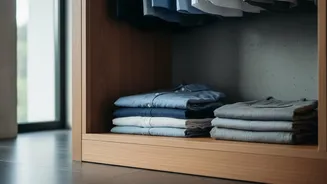
The dreaded musty smell on clothes is a classic monsoon problem caused by moisture trapped in closets. To prevent this, ensure clothes are bone-dry before storing them. Place moisture-absorbing products like silica gel packets or camphor balls inside wardrobes. Camphor is an age-old remedy known for its anti-fungal properties and crisp scent that repels insects and prevents mildew. Placing dried neem leaves between folded clothes is another traditional method that acts as a natural disinfectant and keeps fabrics fresh. Avoid over-stuffing cupboards to allow air to circulate between items.
Keep Furniture and Walls Dry
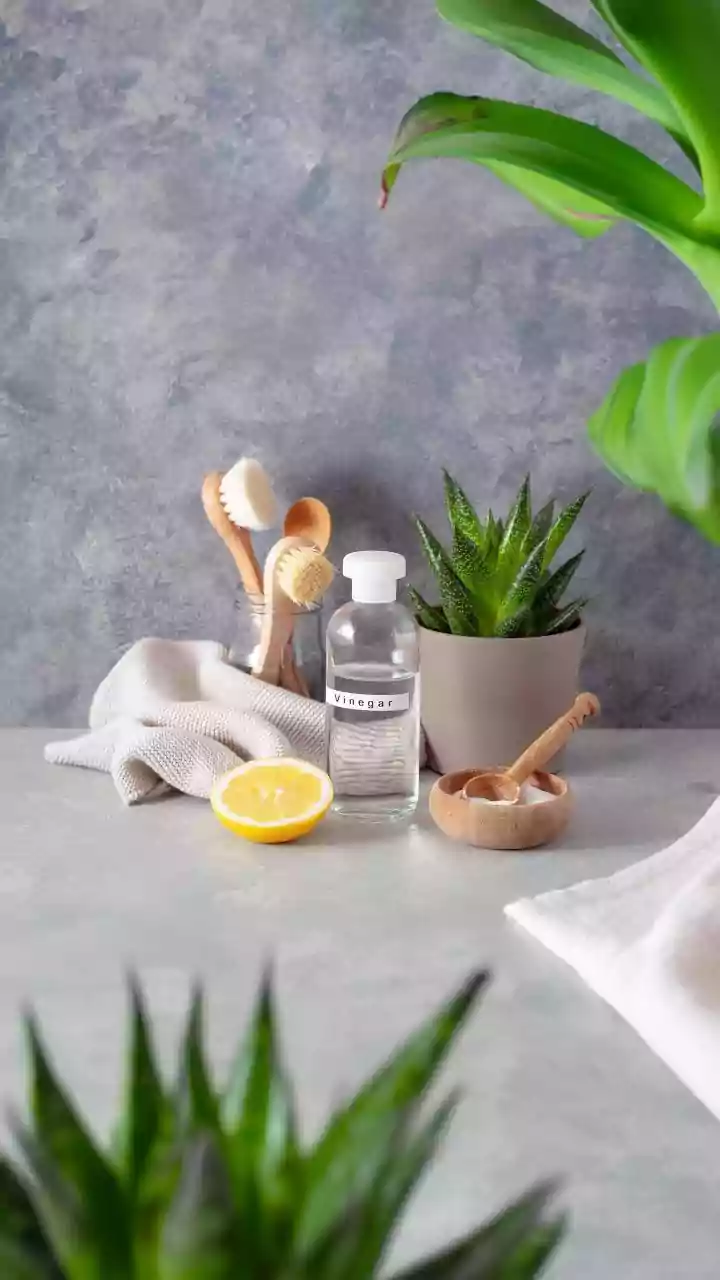
Wooden furniture and walls are susceptible to swelling and mould growth during the rainy season. Try to keep furniture a few inches away from walls to promote airflow and prevent moisture from getting trapped. Regularly wipe down wooden surfaces with a dry, clean cloth. Check for any leaks or damp patches on walls and ceilings and address them promptly to prevent long-term damage. If you spot the beginning of mould or mildew, a simple wipe-down with a solution of white vinegar and water can help eliminate it.
Combat Odours Naturally
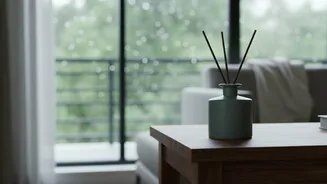
Instead of masking damp smells with artificial air fresheners, neutralise them. Baking soda is a fantastic odour absorber; sprinkle it on carpets and upholstery, let it sit for about 30 minutes, and then vacuum it up. Placing a small, open bowl of white vinegar in a room can also help absorb musty smells over a few days. For a pleasant, natural fragrance, you can burn camphor or incense. Another simple trick for the kitchen is to boil a pot of water with lemon slices, cloves, or cinnamon sticks, which will release a fresh, clean scent throughout your home.
Manage Footwear and Wet Items
Bringing the rain inside is a major source of dampness. Designate a specific spot near the entrance for wet umbrellas, raincoats, and shoes. Use a coir or rubber doormat to absorb excess water and mud from footwear. Never leave damp shoes inside a closed cabinet, as this creates a perfect breeding ground for fungus. Let them air dry completely first. Sprinkling baking soda inside smelly shoes can help absorb both moisture and odour.