





The Street-Side Superstar: Bhutta
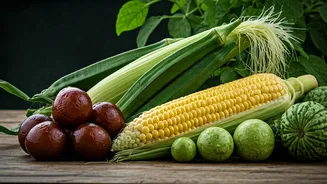
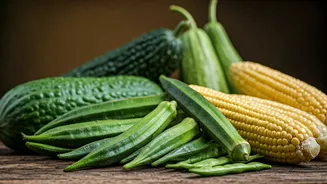
There is no image more synonymous with the Indian monsoon than huddling under a makeshift shelter while a vendor fans glowing coals, roasting corn on the cob. Whether you prefer it slathered with nimbu and masala or boiled and seasoned at home, bhutta
(maize) is the undisputed king of monsoon snacks. This isn't the super-sweet corn you find in tins; monsoon bhutta is starchy, chewy, and has a robust, earthy flavour that is perfectly enhanced by the smoky char from the coals. It’s a fibre-rich, satisfying snack that offers a comforting warmth against the cool, rainy weather. Each bite is a nostalgic trip, a taste of countless rainy days spent watching the world go by.
Jamun's Purple Reign
Another monsoon icon is the jamun, or black plum. These small, oblong fruits with their deep purple, almost black, skin appear in markets for a fleeting period during the rains. Their flavour is a complex explosion of sweet, sour, and astringent notes that is utterly unique, leaving behind a tell-tale purple stain on the tongue as a badge of honour. Beyond its delicious taste, jamun is a powerhouse of nutrients. Traditionally valued in Ayurveda, it is known to be beneficial for managing blood sugar levels, making it a low-glycemic treat. Enjoyed fresh with a sprinkle of black salt or blended into a vibrant cooler, jamun is the taste of a monsoon childhood.
The Glorious Gourd Family
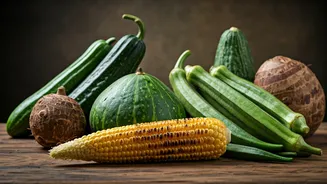
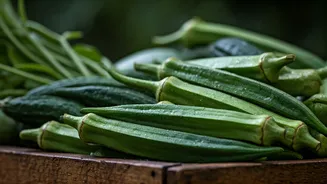
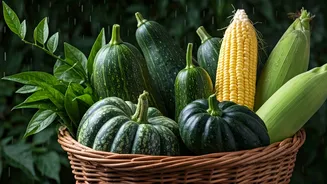
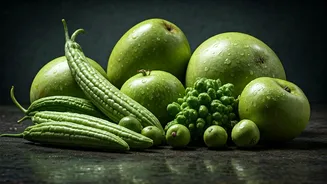
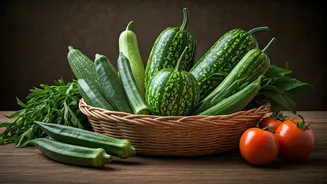
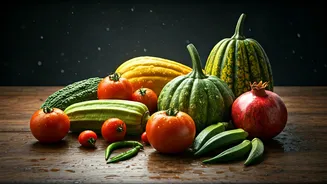
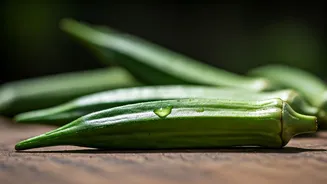
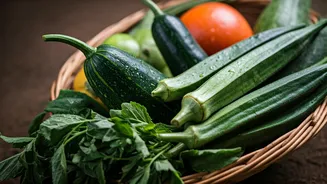
While perhaps not as glamorous as bhutta or jamun, the gourd family is the backbone of monsoon cooking. Vegetables like lauki (bottle gourd), turai (ridge gourd), and parwal (pointed gourd) thrive in the humid, rainy conditions. They are light on the stomach, easy to digest, and incredibly hydrating—qualities that Ayurveda prizes during a season when digestion is considered weaker. Don’t dismiss them as boring! A simple lauki sabzi can be incredibly comforting, turai pairs beautifully with lentils, and stuffed parwal is a delicacy in many homes. And let’s not forget karela (bitter gourd), whose bitterness is believed to help ward off seasonal infections.
Earthy Delights: Roots and Tubers
The monsoon rains soften the earth, making it the perfect time for harvesting a variety of roots and tubers. Arbi (colocasia), suran (elephant foot yam), and sweet potatoes make a prominent appearance. These vegetables provide the starchy, grounding energy we often crave on damp, grey days. Arbi can be transformed into crispy, spice-dusted fries or a rich, tangy curry. Suran is often used to make hearty kebabs or chips. These earthy vegetables store well and offer a wonderful textural contrast in meals, providing a satisfying and deeply nourishing element to the monsoon diet.
The Unsung Greens
While many common leafy greens are avoided during the monsoon due to the risk of pests and waterlogging, this is the time for specific, resilient varieties to shine. In Bengal, poi saag (Malabar spinach) with its thick, juicy leaves becomes a staple. Across India, red amaranth leaves (chaulai saag) and other foraged greens find their way into stir-fries and dals. These greens are packed with vitamins and iron, providing a much-needed nutritional boost. They are a testament to the wisdom of traditional eating habits, which celebrate not just what's popular, but what is seasonally appropriate and resilient.
Orchard Fruits from the Hills
The monsoon also coincides with the peak season for stone fruits from the cooler climes of Himachal Pradesh and Uttarakhand. Fresh plums, juicy peaches, apricots, and cherries make their journey down to the plains, offering a splash of bright, tangy sweetness. These fruits are a wonderful counterpoint to the earthy vegetables of the season. A bowl of fresh cherries or a perfectly ripe peach can be a simple, elegant dessert, providing a burst of flavour and a healthy dose of antioxidants to round off a comforting monsoon meal.