







Understanding the Two Common Injuries
First, it helps to know what you’re dealing with. A sprain is an injury to a ligament, which is the tough, fibrous tissue that connects one bone to another to form a joint. When you sprain an ankle, for example, you have stretched or torn the ligaments
that stabilize it. A fracture, on the other hand, is a crack or a complete break in the bone itself. Both injuries are common and can happen from similar events, like a fall or a sports-related accident, which is where the confusion often begins.
The Problem of Overlapping Symptoms
The main reason it's so difficult to self-diagnose is that the symptoms of a sprain and a minor fracture can be nearly identical. Both injuries typically cause immediate pain, swelling, bruising, and limited mobility in the affected area. Pain level isn't always a reliable indicator; a severe sprain can be incredibly painful, sometimes even more so than a small, non-displaced fracture. Similarly, swelling and bruising are simply the body's natural response to trauma and occur with both soft tissue and bone injuries. Many people believe the myth that if you can walk on it, it isn't broken, but this is untrue. It's often possible to bear some weight on a less severe fracture, making it easy to mistake for a bad sprain.
Clues That Might Point to a Fracture
While not definitive, there are a few signs that may suggest a fracture over a sprain. One is the sound at the time of injury; people with a fracture often report hearing a 'crack' or 'snap', whereas a sprain might produce more of a 'pop' or tearing sensation. Another key indicator is a visible deformity. If the limb looks bent, misshapen, or out of its normal alignment, a fracture is highly likely. The location of the pain can also be a clue. With a fracture, the pain is often sharp and localized directly over the bone, while sprain pain is typically more generalized around the soft tissue of the joint. An inability to bear any weight at all is another red flag that should prompt immediate medical attention.
Why You Need a Professional Diagnosis
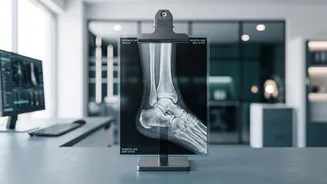
Ultimately, the only way to know for sure whether you're dealing with a sprain or a fracture is to be evaluated by a medical professional. An accurate diagnosis is crucial because the treatments are very different. A doctor will perform a physical exam and, in most suspected fracture cases, order an X-ray. An X-ray provides a clear image of the bones, allowing a doctor to see even small cracks that would otherwise be missed. In some cases, if a subtle fracture is suspected but not visible on an X-ray, or if there is concern about severe ligament damage, an MRI might be recommended.
The Risks of Getting It Wrong
Mistaking a fracture for a sprain and treating it at home with just rest and ice can lead to serious long-term complications. An untreated or improperly treated fracture may not heal correctly, resulting in a misaligned bone, chronic pain, joint instability, or early-onset arthritis. This can permanently affect your ability to use that limb. On the other hand, overtreating a sprain as a fracture with unnecessary immobilization can lead to joint stiffness and muscle weakness, delaying your recovery. Getting the right diagnosis from the start ensures you get the right treatment, whether that's a cast for a fracture or a specific rehabilitation plan for a severe sprain.