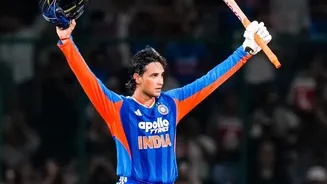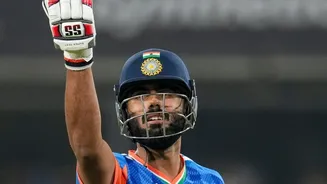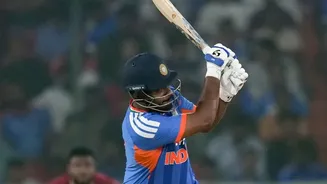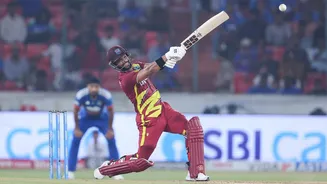





The Incident That Sparked Outrage
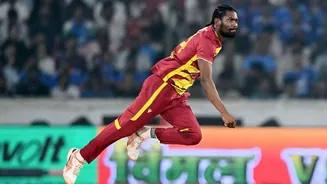
The controversy erupted during the fourth T20I between India and the West Indies in Hyderabad. Chasing a mammoth target of 248, India’s hopes were all but extinguished, needing 35 runs from the final over with only one wicket in hand. On strike was Arshdeep
Singh, a bowler not known for his batting prowess. What followed was a barrage of short-pitched deliveries from Shamar Joseph. One bouncer struck Arshdeep on the shoulder and arm area, causing him to drop his bat and fall to the ground in visible pain. After receiving attention from the physio, Arshdeep bravely continued, only for Joseph to bowl another bouncer that narrowly missed him. With the Indian pacer clearly struggling, captain Shreyas Iyer eventually signalled for him to retire hurt, bringing the game to an end with a 24-run victory for the West Indies.
A Chorus of Criticism
The reaction was swift and sharp. On air during the broadcast, former India captain Sunil Gavaskar was audibly bewildered by the tactic. "He is aiming at him," Gavaskar was heard saying. "Why attack the batter when the stumps are right there?" His sentiment was echoed by former Bengal cricketer Shreevats Goswami on social media. “What Shamar Joseph did in the last three balls against Arshdeep is not in the spirit of the game for me!” Goswami wrote, arguing that with the match result already a formality, the repeated bouncers felt unnecessary and more like an attempt to purposely hit the batsman. The criticism centred on the idea that Joseph's actions were unsportsmanlike, particularly against a tail-ender when the contest was no longer alive.
The Rules vs. The Unwritten Code
Technically, Shamar Joseph did little wrong according to the laws of the game. In T20 and ODI cricket, bowlers are permitted to bowl two bouncers per over, a rule designed to balance aggressive bowling with player safety. A bouncer is a legitimate delivery aimed at unsettling a batsman and creating wicket-taking opportunities. However, cricket has always operated with a second, unwritten set of rules known as the 'Spirit of the Game'. This informal code suggests a level of sportsmanship that goes beyond the official laws. Part of this long-standing tradition involves fast bowlers easing up on lesser-skilled tail-enders, especially when a match's outcome is already decided. The argument against Joseph is not that he broke the rules, but that he violated this gentleman's agreement.
The Other Side of the Stumps
Of course, there is another school of thought. Professional cricket is a high-stakes, competitive environment. From this perspective, every batsman, from the opening star to the No. 11, is a potential obstacle to victory who must be dismissed. The argument is that tail-enders are professional players who should be prepared to face all types of deliveries, including short ones. Bowlers are paid to take wickets, and using a legal bouncer is a valid tactic to intimidate or get a batsman out, regardless of their position in the batting order. Proponents of this view would argue that asking a fast bowler to stop competing before the final ball is bowled is, in itself, against the spirit of a competitive sport. They contend that the responsibility lies with batsmen to improve their technique against short bowling, not on bowlers to change their plans.