






The UPI and Credit Card Connection
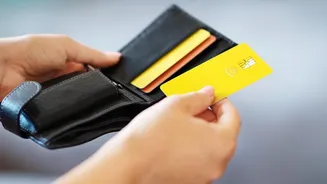
For years, UPI payments were linked directly to bank accounts. That has changed. Now, you can link specific RuPay credit cards to your favourite UPI apps like Google Pay, PhonePe, or Paytm. This simple step transforms your payment experience: instead
of deducting money from your bank, the UPI transaction is charged to your credit card. This means every scan-and-pay at a local kirana store, cafe, or online merchant becomes an opportunity to earn credit card reward points, something that was previously reserved for traditional card swipes.
Choosing the Right Card for Your Spends
Not all credit cards are created equal. To maximise travel benefits, you need a card that either offers direct air miles or reward points that can be converted to them. Look for two main types: Airline Co-branded Cards and Travel-focused Reward Cards. Co-branded cards, such as those from Air India, Vistara, or IndiGo, automatically deposit your earnings as miles into that airline's loyalty program. General travel cards like the HDFC Diners Club Black or Axis Atlas offer flexible reward points that can be transferred to multiple airline partners, giving you more choice. For UPI specifically, cards like the Tata Neu Infinity HDFC Bank Credit Card offer NeuCoins on UPI spends, which can be used for Air India Express bookings, while others like the Scapia Federal RuPay Card provide rewards as 'Scapia Coins' for travel.
A Strategy for Maximum Rewards
Accumulating enough points for a flight requires a consistent strategy. The key is to channel as much of your monthly spending as possible through your UPI-linked credit card. This includes everything from utility bills and groceries to dining out and online shopping. By consolidating your expenses onto one rewards-focused card, you accelerate your points accumulation significantly. For instance, a card offering 1.5% back on UPI spends can generate substantial rewards over a year. Some cards even offer accelerated rewards on specific categories like groceries or dining, so it pays to know your card’s benefits inside out. The goal is to make the card work for your existing lifestyle, not to spend more.
From Points to Plane Tickets
Once you've collected a healthy balance of points, it's time to redeem them for flights. The process typically involves logging into your credit card’s online rewards portal. From there, you have two main options. The first is to transfer your points to a partner airline's frequent flyer program, like Singapore Airlines KrisFlyer or British Airways Avios. This method often provides the highest value, especially for booking business class seats. The second option is to book flights directly through your bank’s own travel portal, where your points can be used to pay for the ticket. While simpler, this may offer a lower value per point. Always check the transfer ratios and flight availability before moving your points, as transfers are irreversible.
Reading the Fine Print
While the idea of a 'free' ticket is alluring, there are factors to consider. Most reward credit cards come with an annual fee, though it's often waived if you meet a certain spending threshold. Furthermore, when you redeem miles for a flight, you will still need to pay for taxes and carrier-imposed fees out of pocket. Reward points also have expiry dates and conversion ratios that can change. Finally, be aware that while customers aren't charged for using a credit card on UPI for merchant payments, some merchants may be hesitant to accept it due to the fees they incur.