


The Urban Soundscape: An Acoustic Echo Chamber
It’s not your imagination: thunderstorms can sound significantly more intense in a city. This is largely due to the unique acoustic environment created by dense urban architecture. Tall buildings packed closely together form what is known as an “urban
canyon.” Sound waves from thunder, which would normally dissipate over open land, instead become trapped. They bounce back and forth between the hard, reflective surfaces of buildings made from glass, concrete, and steel. This series of rapid reflections, or reverberation, effectively amplifies the noise, making each clap of thunder seem longer and louder. The compact design of apartment buildings, with their shared walls and hard interior surfaces, can further contribute to noise transmission, making the storm feel inescapable.
Why Your Dog Is So Afraid
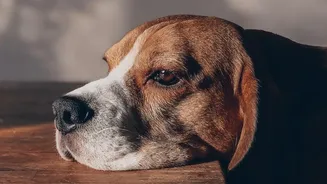
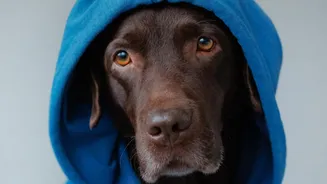
A dog's fear of storms is more complex than just a reaction to loud noise. Their senses are far more acute than ours. Long before we hear the first rumble, a dog can often sense the changes in barometric pressure and the buildup of static electricity in the air that accompany a storm. This can be a source of significant discomfort. Then comes the sensory assault: the sharp cracks of thunder, which their sensitive ears perceive with jarring intensity, and the disorienting flashes of lightning. For a dog, a thunderstorm is an overwhelming and unpredictable event that they cannot understand or escape, triggering a classic fight-or-flight response that manifests as shaking, hiding, panting, and pacing.
Create a Safe Den
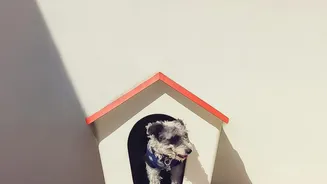
Your first step in managing your dog's storm anxiety is to create a safe, comfortable retreat. Dogs instinctively seek out den-like spaces when they feel threatened. You can facilitate this by preparing an interior room, closet, or even a bathroom—anywhere away from windows where the sound and light will be muffled. Close the blinds and curtains to block out flashes of lightning. Fill the space with their favorite blankets and toys to make it feel secure. If your dog is crate-trained, you can cover their crate with a heavy blanket to enhance the den effect, but never lock them inside, as this can increase feelings of panic. The goal is to give them a predictable and secure spot they can retreat to on their own terms.
Calming Tools and Techniques
Beyond a safe space, several tools can help soothe your dog's frayed nerves. Playing white noise, classical music with a steady beat, or even turning on a fan can help mask the jarring sounds of the storm. Many owners find success with anxiety wraps or vests, like the popular ThunderShirt. These garments apply gentle, constant pressure around the dog's torso, which can have a calming effect similar to swaddling an infant. Another option is a dog-appeasing pheromone (DAP) diffuser or spray, which mimics the comforting pheromones a mother dog releases to calm her puppies. These are odorless to humans but can help create a sense of security for your pet.
Your Role: Stay Calm and Distract
Your own behavior plays a crucial role. Dogs are highly attuned to their owner's emotions, so if you act anxious, it can reinforce their fear. Try to remain calm and go about your routine as normally as possible. While it’s natural to want to comfort your pet, excessive coddling can sometimes be misinterpreted as confirmation that there is something to fear. Instead, try to engage them in a low-key activity. Offer a high-value distraction like a puzzle toy filled with peanut butter or their favorite long-lasting chew. A simple game or a training session can also help redirect their focus and provide a positive outlet for their nervous energy.
When to Consult a Professional
For some dogs, storm phobia can be severe and may not respond to these measures alone. If your dog's anxiety is extreme—leading to destructive behavior or self-injury—it's important to speak with a veterinarian. They can rule out any underlying medical issues and discuss further options. This might include a referral to a certified animal behaviorist for desensitization and counter-conditioning training, which can help change your dog's association with storms over time. In severe cases, your vet may also prescribe anti-anxiety medication to be used before a storm is expected, helping to prevent panic before it starts.