




The Unseen Reaction in Your Body
We often think of food and medicine as separate, but they can interact in powerful ways. One of the most significant and well-documented interactions involves certain citrus fruits and a wide range of common medications. While the headline points to the liver,
the main event actually starts in your small intestine. When you take a pill, it has to be absorbed and broken down, or metabolised, by your body. Special proteins called enzymes are responsible for this process, acting like gatekeepers that control how much of a drug gets into your bloodstream. This particular interaction throws a wrench in that system, creating a potentially dangerous scenario where your body gets a much higher dose of medicine than your doctor intended.
Meet the Culprit: Furanocoumarins
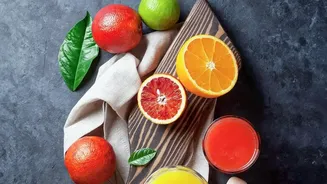
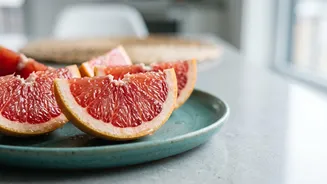
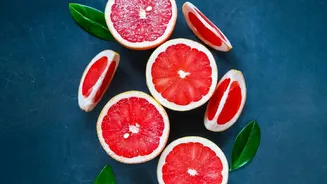
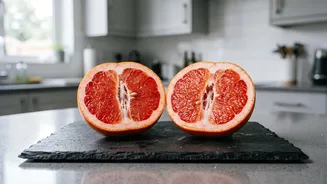
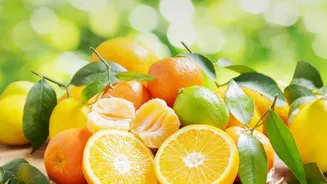
The compounds responsible for this reaction are called furanocoumarins. These are natural chemicals found in several plants, but they are particularly concentrated in grapefruit. They are also present in other citrus fruits like pomelos, Seville oranges (often used in marmalades), and limes. Interestingly, common sweet oranges (like Navel or Valencia), tangerines, and lemons do not seem to cause this specific problem to the same extent, making them safer alternatives if you're on certain medications. These furanocoumarins are the key to understanding why a simple glass of juice can have such a dramatic effect on prescription drugs.
How It Works: An Enzyme Blockade
Think of an enzyme called Cytochrome P450 3A4, or CYP3A4, as a traffic controller for medications. Found in the walls of your small intestine and liver, its job is to break down a large portion of the drugs you ingest, ensuring only the correct amount enters your bloodstream. Furanocoumarins from grapefruit juice essentially shut down this traffic controller. They block the CYP3A4 enzyme in the intestinal wall, meaning the enzyme can't do its job of metabolising the drug. As a result, much more of the medication is absorbed into your bloodstream. This can effectively turn a normal, prescribed dose into an overdose, dramatically increasing the risk of serious side effects.
Which Medications Are at Risk?
The list of medications affected by this interaction is long and includes many commonly prescribed drugs. Some of the major categories include certain statins used to lower cholesterol (like atorvastatin and simvastatin), some blood pressure medications (like nifedipine), anti-anxiety drugs (like buspirone), and medications for abnormal heart rhythms (like amiodarone). The interaction can lead to problems ranging from muscle pain and kidney damage with statins to life-threatening heart issues with cardiac drugs. Because CYP3A4 metabolises nearly half of all prescription drugs, it is crucial to assume an interaction is possible and check with a professional.
A Long-Lasting Effect
This isn't an interaction you can avoid by simply spacing out your juice and your medication. The effect of the furanocoumarins is irreversible, meaning the enzyme is disabled until your body can produce new ones. This process can take time. Even a single glass of grapefruit juice can reduce enzyme activity for over 24 hours, and it might take up to three days for your body to fully recover its normal function. This means drinking juice in the morning can still affect a medication you take at night, making complete avoidance the only safe strategy for at-risk patients.
How to Stay Safe
The most important step is to be informed and proactive. Always read the patient information leaflet that comes with your medication, as it will often contain warnings about grapefruit. Have a conversation with your doctor or pharmacist. Ask them directly if any of your medications interact with grapefruit or other citrus fruits. If you are taking an affected drug, it's best to completely avoid grapefruit, pomelos, and Seville oranges in all forms—fresh fruit, juice, and even marmalade. When you need to take a pill, the safest liquid to wash it down with is always a simple glass of water.