




Why Water-Wise is the Way Forward
The logic behind low-water gardening, also known as xeriscaping, is simple and powerful. With many Indian cities facing high water stress and dwindling groundwater levels, our relationship with water is changing. This shift isn't just about environmental
responsibility; it's about creating gardens that are practical, resilient, and better suited to our climate. A water-smart garden can reduce landscape water use by over 50%, leading to lower water bills and significantly less maintenance. Instead of fighting against the climate with thirsty, non-native plants, this approach embraces it. The result is a garden that requires less weeding, feeding, and watering, freeing you up to simply enjoy your green space.
Smart Design Before You Plant
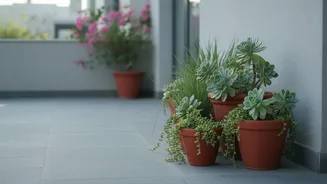
A successful low-water garden begins with a smart plan. Before buying a single plant, observe your space. Notice where the sun hits, where rainwater collects, and which areas stay naturally drier. The core principle here is 'hydrozoning'—grouping plants with similar water needs together. This prevents you from overwatering a drought-tolerant plant just to keep its thirsty neighbour alive. A small, high-water zone can be placed near the house for special plants, while the largest part of your garden can be a low-water zone that thrives on rainfall and occasional deep watering. This planning stage is the most effective way to ensure your garden is both beautiful and efficient from day one.
Choose Your Plant Champions
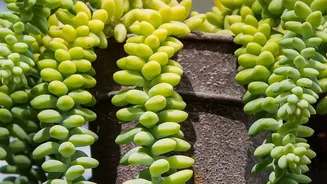
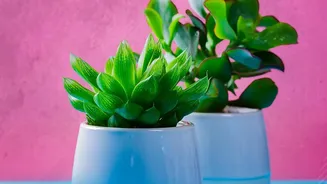
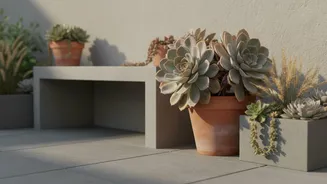
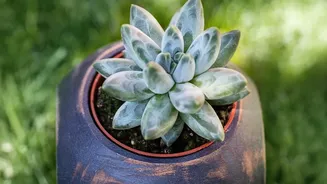
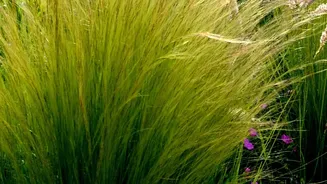
The key to a vibrant, low-water garden is selecting the right plants. Fortunately, India has a vast palette of beautiful and hardy native species to choose from. Brightly coloured Bougainvillea, for instance, thrives in the sun with minimal water. Succulents like Aloe Vera and Agave offer striking architectural shapes and require very little care. For fragrant touches, consider native shrubs like Henna (Lawsonia inermis) or herbs like Tulsi (Holy Basil), both of which are adapted to Indian conditions. Many flowering perennials and ornamental grasses are also incredibly drought-tolerant once established. Choosing plants native to your region not only saves water but also supports local biodiversity.
Rethink the Traditional Lawn
The classic green lawn is one of the thirstiest elements in any garden. A major part of the water-smart shift involves rethinking this default. While a small patch of grass is fine for play areas, much of the decorative lawn space can be replaced with more interesting and less demanding alternatives. Consider using permeable paving for walkways, creating a seating area with gravel or wood chips, or planting a 'meadow' of native wildflowers and grasses. Drought-tolerant ground covers can also provide a lush, green look without the high water and maintenance demands of a traditional turf lawn. This shift in thinking opens up a world of design possibilities beyond a flat green carpet.
Water Smarter, Not Harder
How and when you water is just as important as what you plant. The most efficient method for home gardens is a drip irrigation system. These systems deliver water slowly and directly to the plant's roots, minimising waste through evaporation and runoff. Watering early in the morning or late in the evening is also crucial to reduce evaporation loss. Another vital technique is mulching. Applying a layer of organic mulch like straw, wood chips, or leaves over the soil helps retain moisture, keeps roots cool, and suppresses weeds. A deep, infrequent watering schedule encourages plants to develop strong, deep roots, making them more resilient during dry spells.