

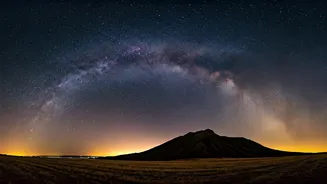

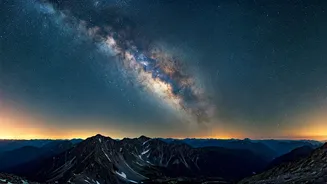


Hanle, Ladakh: The Official Dark Sky Reserve
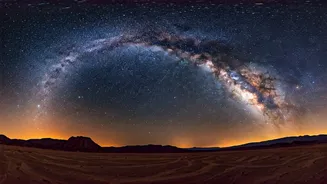
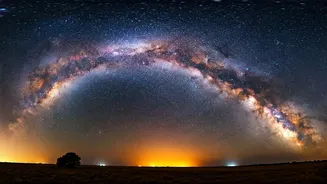
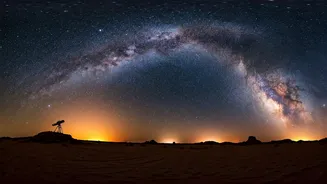
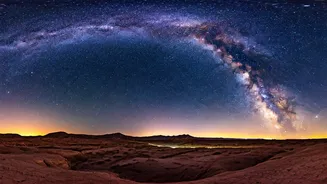
Perched at a dizzying altitude of 4,500 metres, the remote village of Hanle in Ladakh is India’s undisputed capital of stargazing. Officially certified as the country's first Dark Sky Reserve, this cold desert region offers conditions that are a dream
for astronomers and casual observers alike. The thin, dry air and near-zero light pollution create a celestial canvas of unparalleled clarity. Here, the Milky Way isn't just a faint band; it's a brilliant, textured river of light arching across the sky. Home to the Indian Astronomical Observatory, Hanle provides a rare opportunity to see constellations, planets, and even distant galaxies with breathtaking detail. The best time to visit is from June to September when the weather is clearer, but be prepared for the high altitude and pack accordingly.
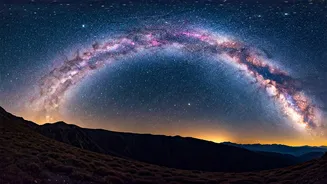
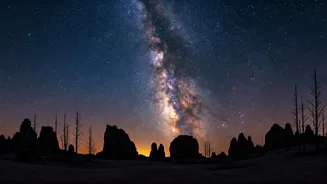
Spiti Valley, Himachal Pradesh: A High-Altitude Wonder
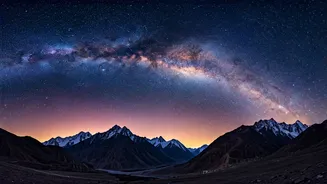
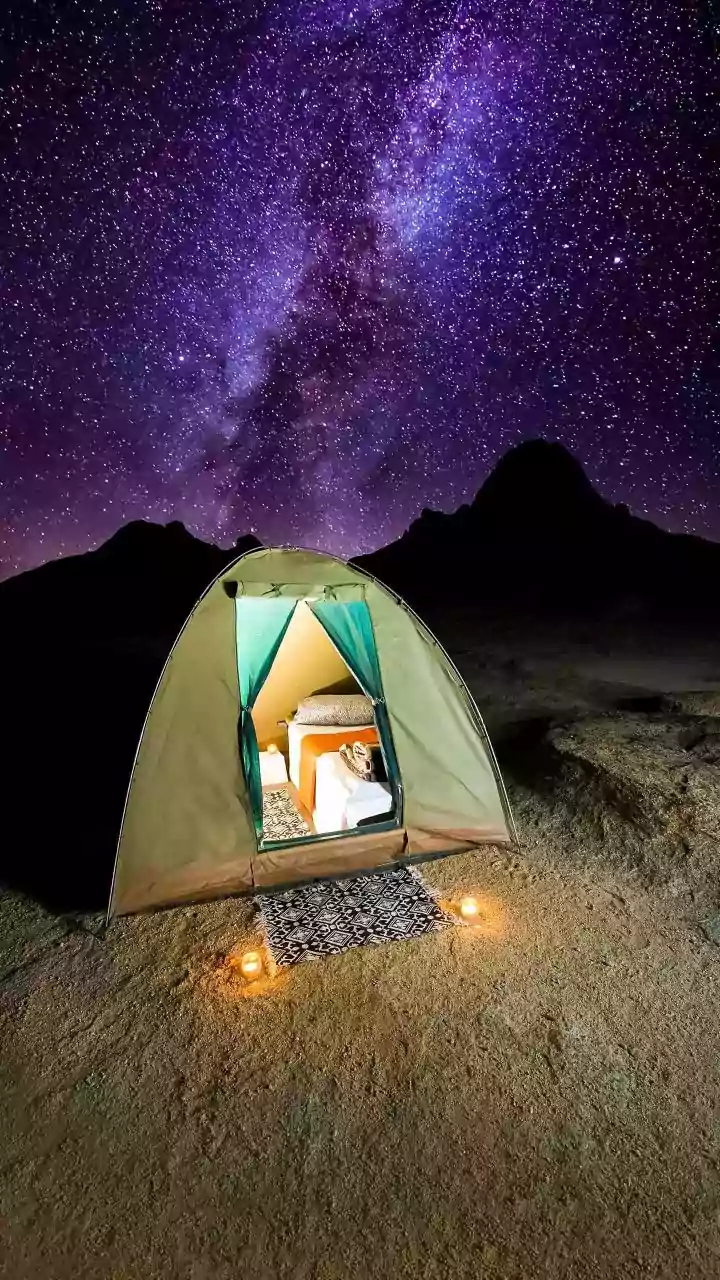
Often called 'Little Tibet', the stark, majestic landscape of Spiti Valley is just as stunning at night as it is during the day. Villages like Kibber, Kaza, and Dhankar sit under some of the darkest skies in the country. The high altitude and remote location mean that once the sun sets, the universe puts on a spectacular show. On a moonless night, the sheer density of stars is overwhelming. You can easily spot prominent constellations, shooting stars, and the faint glow of nebulae with the naked eye. Many homestays and guesthouses in the region cater to travellers seeking this cosmic connection. A trip to Spiti is a rugged adventure, but the reward is an unforgettable celestial experience, far from the distracting glow of modern life.
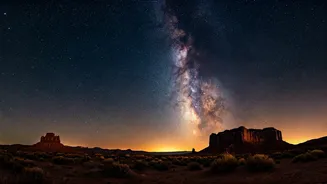
Rann of Kutch, Gujarat: A White Desert Canvas
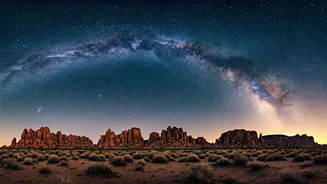
Imagine an endless expanse of white salt desert stretching to the horizon, reflecting the light of a billion stars. This is the magic of the Rann of Kutch during the Rann Utsav (typically from October to March). The vast, flat landscape offers an unobstructed 360-degree view of the heavens. With minimal light pollution in the deeper parts of the desert, the sky transforms into a glittering dome. The experience is surreal—the silence of the desert combined with the grandeur of the cosmos creates a deeply meditative atmosphere. While staying in the tent city during the Utsav provides a comfortable base, a short drive away from the main festivities into the heart of the salt marsh will reveal the true splendour of the night sky.
Coorg, Karnataka: The Southern Starry Escape
You don't always have to head to the Himalayas for a clear view of the stars. Nestled in the Western Ghats, the coffee plantations and misty hills of Coorg offer a fantastic southern vantage point. While not as dark as Ladakh or Spiti, certain remote areas and hilltops away from the main towns of Madikeri and Virajpet provide surprisingly dark skies. The key is to find a secluded homestay or a resort with a clear overlook. The post-monsoon months from October to March are ideal, offering clear nights and pleasant weather. It’s a perfect option for those in South India looking for a quick weekend getaway to reconnect with the night sky without undertaking an arduous high-altitude journey.
Neil Island, Andamans: A Coastal Cosmos
For a truly unique stargazing experience, head to the Andaman and Nicobar Islands. On Neil Island (Shaheed Dweep), the combination of pristine beaches and minimal development creates an idyllic setting for watching the stars. After sunset, find a quiet spot on Laxmanpur or Bharatpur beach, lie back on the soft sand, and watch the sky come alive. The absence of industrial pollution and the vast expanse of the ocean ensure a dark horizon, making the stars appear even brighter. The gentle sound of the waves adds a tranquil soundtrack to your cosmic viewing. It’s a reminder that the wonders of the universe can be found in the most serene and unexpected corners of the country.