

Choose the Right Plant Companions
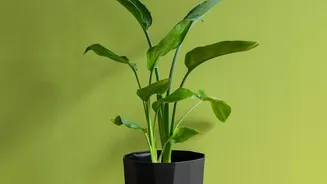
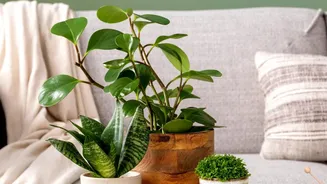
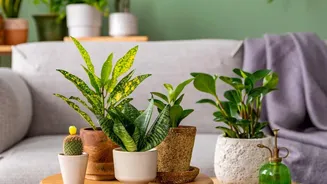
The first step to a thriving indoor garden in a small space is choosing plants that are naturally suited to the environment. In many Indian apartments, this means plants that tolerate lower light and don't grow too large or too fast. The Snake Plant is an excellent
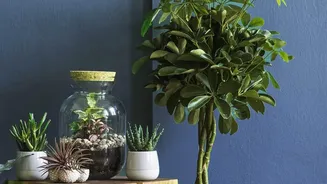
choice as it grows vertically, taking up minimal floor space, and is famously low-maintenance. Similarly, the ZZ Plant is nearly indestructible, thriving on neglect and low light, making it perfect for busy people or dim corners. For a touch of trailing greenery, the Money Plant (Pothos) is a classic for a reason; it can grow in soil or water and can be placed on shelves or in hanging baskets to save precious surface area. Other great options include the Spider Plant, which looks great in hanging pots, and various small succulents that can fit on any desk or windowsill.
Smart and Stylish Placement
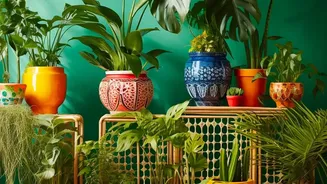
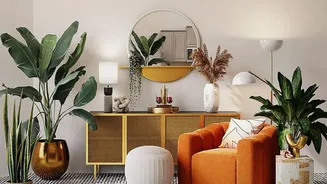
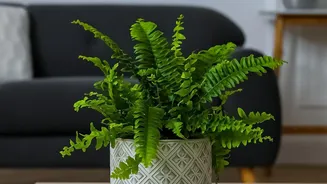
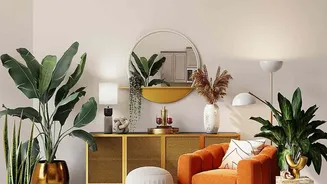
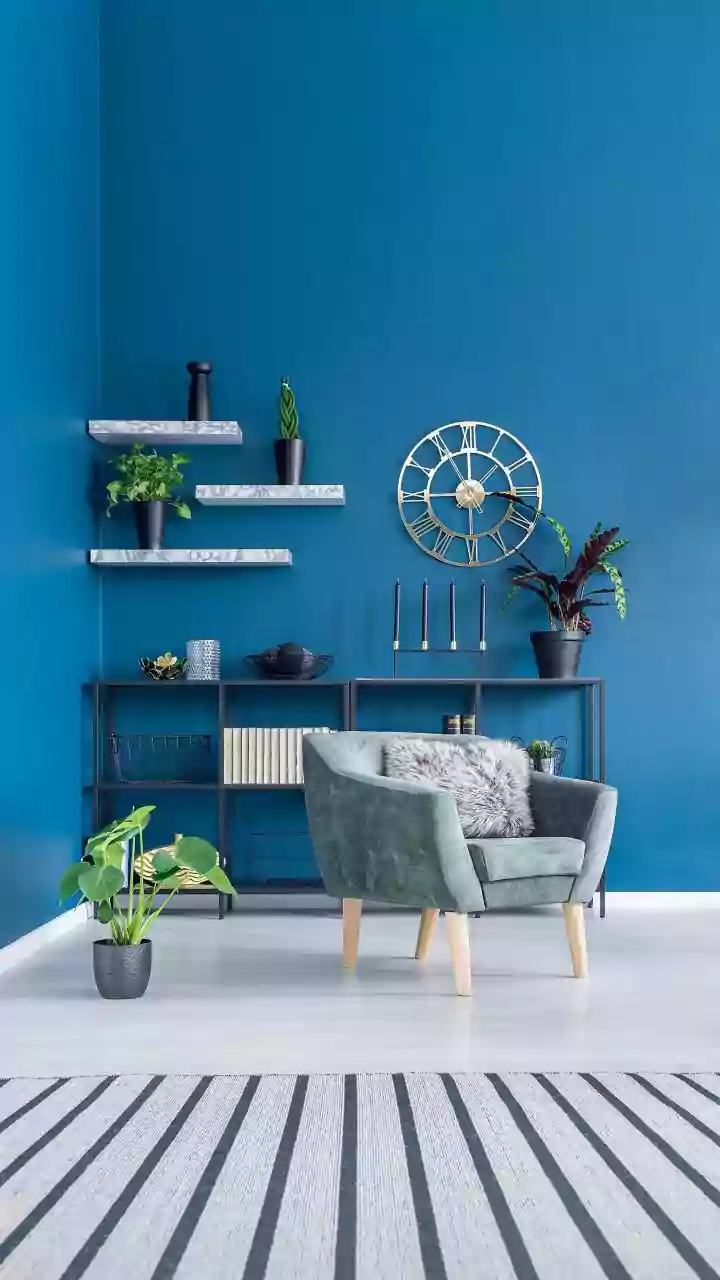
In a compact room, floor space is a premium. The key is to think vertically. Hanging planters are a fantastic way to add greenery without cluttering surfaces. You can hang them near a window or in a corner to create a cascade of leaves. Tiered plant stands also allow you to group several plants together while only using a small footprint. Don't overlook your walls; wall-mounted shelves or planters can turn a blank wall into a living piece of art. Even small nooks and crannies can become a home for a plant. A tiny succulent can brighten a study desk, a Peace Lily can add elegance to a side table, and a Lucky Bamboo in a small vase fits perfectly on a narrow shelf. Consider the room's function: a Snake Plant is great for bedrooms as it releases oxygen at night, while a humidity-loving fern could thrive in a bathroom with a window.
Mastering the Art of Watering
The most common mistake new plant parents make is overwatering, and this is especially risky in small pots and low-light conditions. In dim rooms, soil dries out much more slowly. Instead of watering on a fixed schedule, get into the habit of checking the soil first. A good rule of thumb is to stick your finger about an inch into the soil; if it feels dry, it's time to water. If it's still moist, wait a few more days. Most hardy indoor plants like the ZZ Plant and Snake Plant prefer their soil to dry out completely between waterings. When you do water, do so thoroughly until water runs out of the drainage hole, then discard the excess. This encourages deep root growth and prevents the plant from sitting in water, which can cause root rot.
Understanding Light Conditions
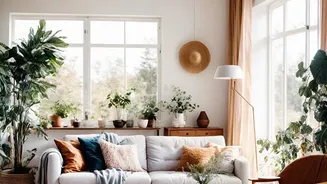
Before you buy a plant, take a day to observe the light in your room. 'Low light' doesn't mean a windowless closet; it usually means a spot that receives no direct sunbeams but is still bright enough to read in comfortably. North-facing windows provide the weakest light, while south-facing windows offer the brightest. Most of the popular indoor plants suited for apartments thrive in bright, indirect light. This is the kind of light you’d find a few feet away from an east or west-facing window. Plants like the Peace Lily and Philodendron do well here. If you notice your plant is stretching or becoming 'leggy' with sparse leaves, it's a sign it needs more light. Remember to rotate your plants every few weeks to ensure all sides get some light, promoting even growth.
Beyond the Basics: Soil, Food, and Health
While light and water are crucial, a few other elements contribute to a healthy plant. Always use a well-draining potting mix rather than garden soil, which is too dense for containers. Most indoor plants benefit from a balanced fertilizer during their main growing season, typically in the spring and summer, but require less during winter. Don't overdo it, as too much fertilizer can harm the plant. Finally, keep an eye out for pests. Regularly wiping down leaves with a damp cloth not only keeps them looking glossy and helps with light absorption but also allows you to spot any early signs of pests like spider mites or mealybugs. If you have pets or small children, be mindful that some popular plants like the Money Plant and Peace Lily can be mildly toxic if ingested, so place them on higher shelves.