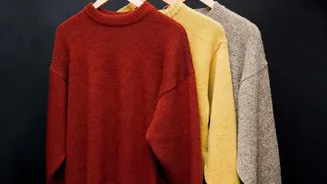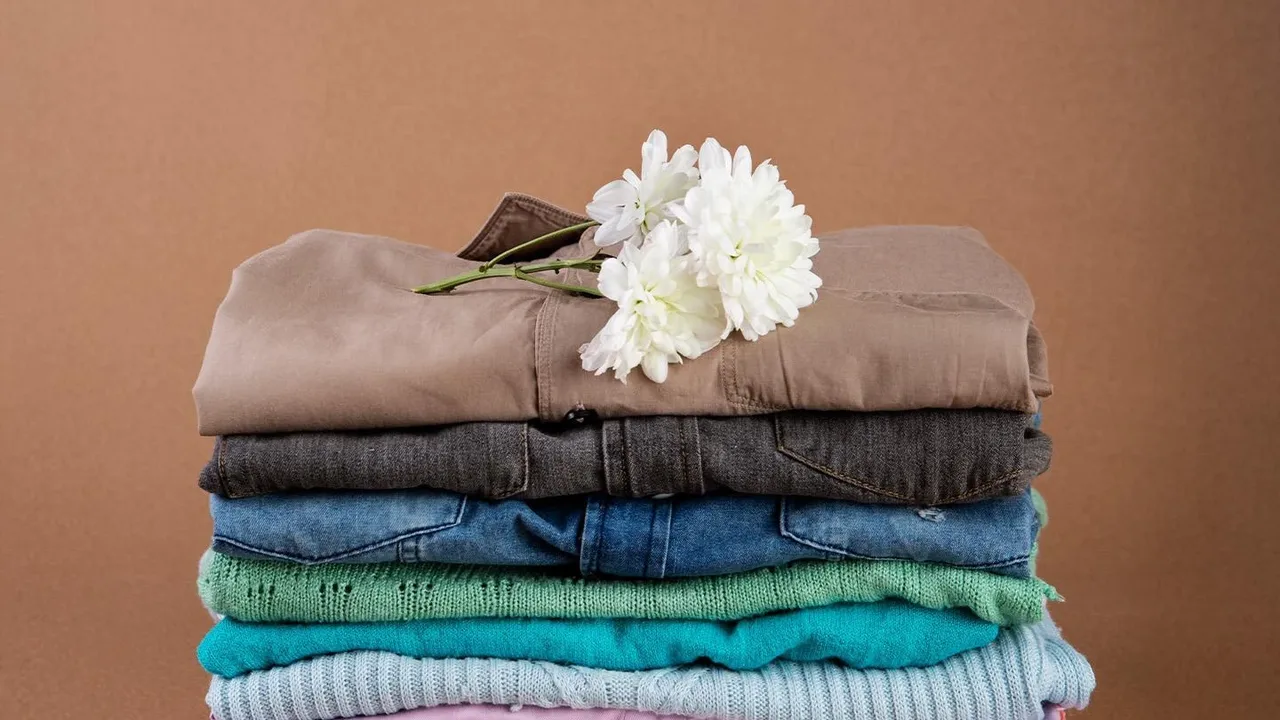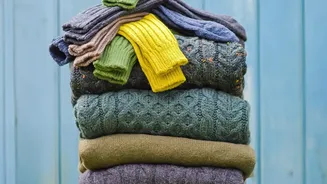





Woollen clothing is an investment in warmth and style, but caring for it can feel daunting. The good news is that keeping your favourite knits fresh and looking new is simpler than you think with just a few key habits.
Wash Less, Air More
The most important rule of wool care
is to wash it as little as possible. Wool is a natural fibre with antimicrobial and odour-resistant properties, meaning it cleans itself to a degree. After wearing, instead of tossing it in the laundry basket, simply air your wool garment out for a few hours. Hanging it in a well-ventilated area, or even outdoors away from direct sunlight, will refresh the fibres and release any trapped odours. This simple step can dramatically extend the life and shape of your clothes.
The Gentle Art of Washing
When your woollens do need a wash, always check the care label first. For best results, hand wash in cool or lukewarm water (around 30°C) using a pH-neutral detergent specifically designed for wool. Avoid regular detergents, which can be too harsh. Submerge the garment, gently squeeze the suds through it, and let it soak for about 10 minutes. Avoid rubbing or wringing, which causes felting and shrinkage. If your machine has a certified 'wool' or 'hand wash' cycle, that can be a safe alternative, but always use a cold temperature setting.
Drying: Flat is Best
Never hang a wet wool garment to dry. The weight of the water will stretch the fibres, distorting the shape and leaving tell-tale bumps on the shoulders. The correct method is to lay the item flat. First, gently press or squeeze out excess water, then roll it up in a clean, dry towel to absorb more moisture. Unroll it and lay it flat on a fresh towel or a mesh drying rack, away from direct sunlight or heat sources like radiators, which can cause damage and shrinking. Reshape the garment while it's damp to ensure it dries back to its original size.
Smarter Seasonal Storage
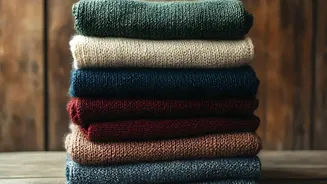
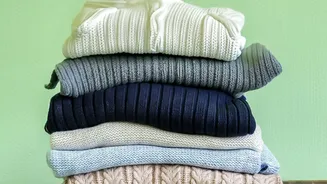
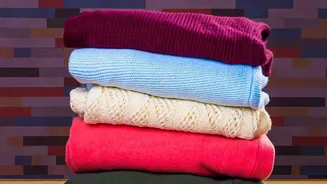
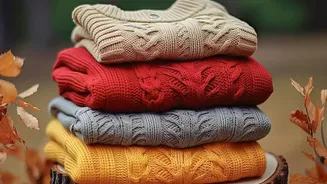
Proper storage is crucial for protecting your woollens, especially from moths. Before packing anything away for the season, ensure every item is completely clean and dry, as moths are attracted to dirt and body oils, not the wool fibre itself. Fold your knitwear instead of hanging it to prevent stretching. Store items in breathable cotton bags or sealed containers in a cool, dark, and dry place. Avoid storing them in plastic bags, which can trap moisture and lead to mildew. For added protection, use natural moth deterrents like cedar blocks or lavender sachets.
Tackling Pills and Snags
Pilling—those small, fuzzy balls that appear on the surface—is a natural result of friction and doesn't mean your sweater is poor quality. You can easily remove them to make your garment look new again. Lay the clothing flat and use a special wool comb, a sweater stone, or a battery-operated fabric shaver, working gently in one direction. Do not pull the pills off by hand, as this can tug at the fibres and create more pilling. For snags, gently stretch the fabric around the pulled loop and use a needle to carefully pull the loop through to the inside of the garment.