





1. Go Beyond the Basic Forecast
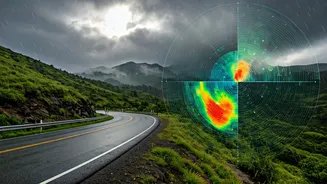
Simply glancing at a weather app on your phone a day before you leave is rookie behaviour. To truly prepare, you need to become a bit of a weather detective. Start monitoring the forecast at least a week in advance. More importantly, go beyond the simple
'rain' or 'sun' icon. Look for details like humidity levels, wind speed, and 'feels like' temperatures. For travel in India, the India Meteorological Department (IMD) website is your best friend. It provides district-level warnings for heavy rainfall, heatwaves, and thunderstorms. Understanding these patterns helps you anticipate not just what to wear, but potential travel disruptions like flooded roads or delayed trains.
2. Pack for Every Scenario
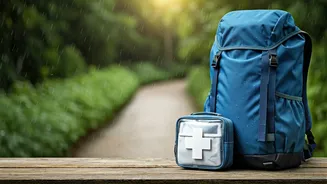
Your packing list is your first and most important line of defence. For a hot, sunny festival, think beyond shorts and t-shirts. Pack lightweight, full-sleeved cotton or linen clothing to protect from sunburn. A wide-brimmed hat, sunglasses, and a high-SPF sunscreen are non-negotiable. If you're heading to a region known for monsoons, like the Northeast for the Ziro Festival, your gear needs to be robust. Invest in a proper waterproof jacket (not just a flimsy poncho), quick-drying trousers, and waterproof footwear with good grip. A few extra pairs of quick-drying socks can be a lifesaver. And for any weather, a reusable water bottle is essential to stay hydrated, and a small first-aid kit with essentials like oral rehydration salts (ORS), band-aids, and antiseptic is a must.
3. Choose Your Travel Mode Wisely
How you get there is as important as being there. During heavy monsoons, roads in hilly or rural areas can become prone to landslides, making bus or car travel risky. In such cases, a train might be a slower but safer bet, though even rail lines can be affected by severe flooding. Conversely, during peak winter fog in North India, flights are often delayed or cancelled, making a train journey more reliable. Before you book, do some research on your route. Check local news for any reports on road conditions or infrastructure issues. If you are driving, ensure your car's tyres, wipers, and headlights are in perfect condition. Having a buffer day in your travel itinerary can absorb unexpected delays without causing you to miss the main event.
4. Your Accommodation is Your Safe Haven
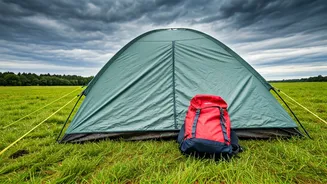
The allure of a tent under the stars is strong, but it can quickly lose its charm in a downpour or a heatwave. When booking accommodation, consider the worst-case weather scenario. Is your tent pitched on high ground to avoid waterlogging? If you’re in a budget hotel or guesthouse, check if it's a sturdy, concrete structure rather than a flimsy shack that might not withstand high winds or rain. In hot climates, having a room with a functioning fan or air conditioning isn't a luxury; it's a health and safety measure that allows your body to recover from a long day in the sun. A secure, dry, and comfortable place to rest is crucial for your energy and well-being throughout the festival.
5. Prioritise Health and Hygiene
Adverse weather creates health risks. Extreme heat can lead to dehydration and heatstroke. Make a conscious effort to drink water throughout the day, even if you don't feel thirsty, and balance it with electrolytes. Heavy rains can lead to waterlogged festival grounds and contamination of water sources, increasing the risk of water-borne diseases like cholera and typhoid. Avoid drinking tap water unless you can boil it or use a reliable purifier. Be wary of uncooked food, especially street food that may have been exposed to the elements. Carry hand sanitiser and use it frequently. Listening to your body is key; if you feel dizzy, exhausted, or unwell, seek shade and medical help immediately.
6. Keep Your Tech Charged and Protected
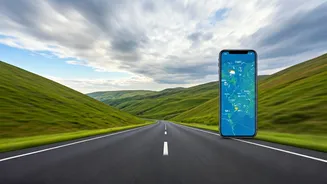
In an emergency, your phone is your lifeline. A dead battery can leave you stranded and unable to contact anyone for help. Carry a fully charged power bank—or two. Weather can also be brutal on electronics. Invest in a waterproof pouch or a simple zip-lock bag to protect your phone and other gadgets from rain. Before you leave, download offline maps of the area on your phone. This is invaluable if bad weather knocks out mobile networks or if you find yourself in a remote area with poor connectivity. Inform a family member or friend of your detailed itinerary and check in with them periodically. This simple step ensures someone knows where you are supposed to be, which is a critical safety net when travelling.