



In the bustling kitchens of India's urban centres, a quiet but flavourful revolution is taking place. Far from home, young professionals are reaching into the past, recreating the tastes of their childhood one jar of pickle at a time.
A Spoonful of Nostalgia
For many young Indians
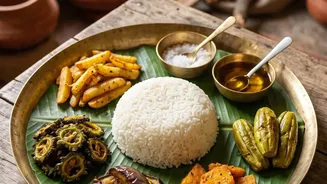
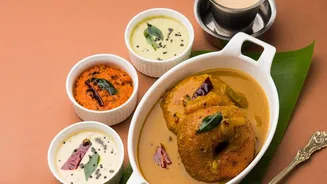
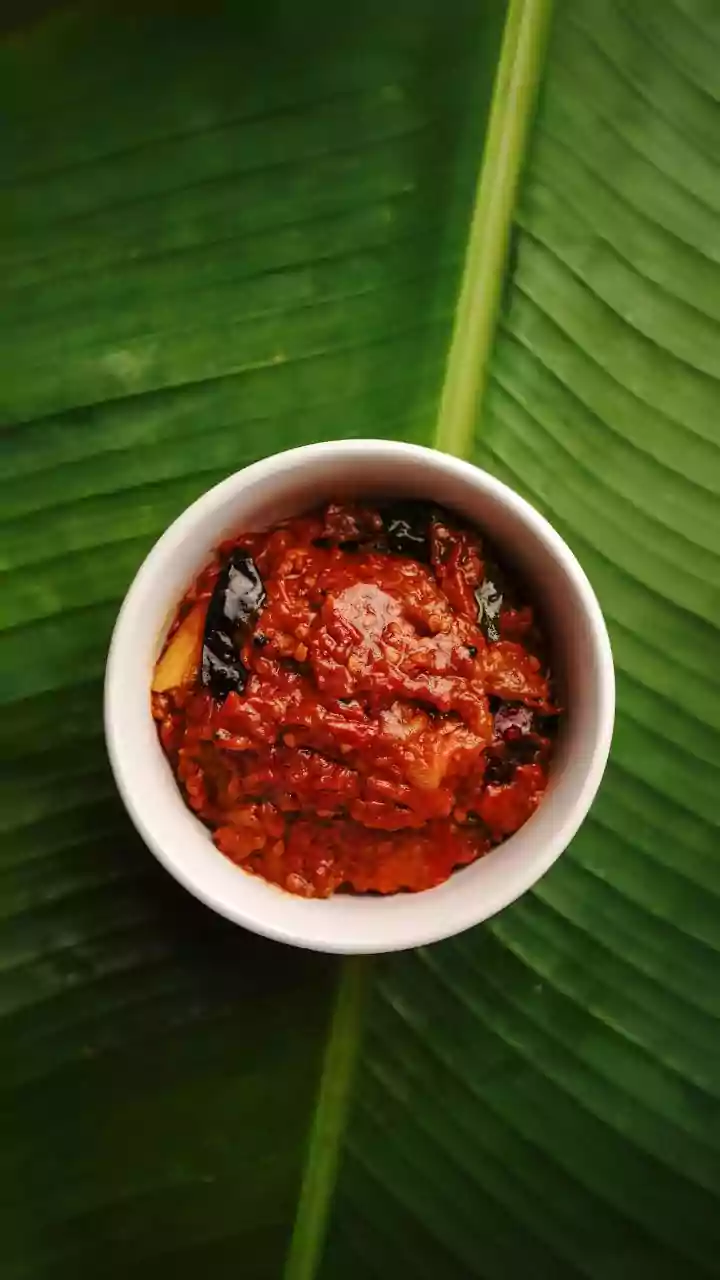
who have moved to cities for work or education, the daily routine can feel disconnected from their roots. Amidst the hustle, there is a growing yearning for the comfort and familiarity of home, a feeling often most powerfully evoked by food. Traditional condiments—the fiery 'achaar' (pickle), the savoury 'podi' (gunpowder), or the tangy 'kasundi' (mustard relish)—are more than just flavour enhancers; they are vessels of memory. Each spoonful carries the taste of a grandmother's love, of summer holidays spent on verandas where mangoes were laid out to dry, and of family meals shared with laughter. This nostalgic pull is a primary driver behind the trend. Recreating these recipes is an act of reclaiming a piece of home, an antidote to the anonymity of urban life.
The Search for Real Flavors
This movement is also a reaction against the homogeneity of mass-produced foods. After years of convenience-driven choices from supermarket shelves, there is a palpable shift towards authenticity. Many are tired of generic sauces laden with artificial preservatives and colours. They crave the complex, robust, and often healthier profiles of homemade preparations that use natural, seasonal ingredients and traditional preservation techniques like sun-drying and fermentation. Making a pickle or chutney from a family recipe allows for complete control over ingredients, ensuring a product that is not only more flavourful but also perceived as cleaner and more wholesome. This desire for 'real' food reflects a broader consumer trend towards wellness and mindful consumption.
From Heirloom Recipe to Small Business
What starts as a personal project often blossoms into a commercial venture. Empowered by social media and a digital marketplace, many young urbanites are turning their culinary heritage into small-batch businesses. Brands with names like 'Maa Kaa Achar' or ventures reviving specific regional specialties are finding a receptive audience. These entrepreneurs are not just selling a product; they are sharing a story. They connect with customers by highlighting the heirloom nature of their recipes, the specific region their flavours come from—like Naga chillies or Malvani spices—and their commitment to traditional methods. This has created a vibrant ecosystem of artisanal brands that are making the diverse culinary landscape of India accessible to a wider, curious audience.
More Than Just a Condiment
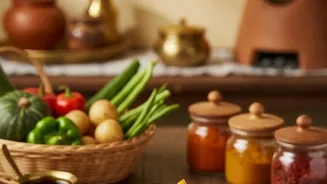
Ultimately, the revival of family condiment recipes is about more than just food. It is an act of cultural preservation. These recipes are culinary time capsules, passed down through generations, often orally. The process of making them—the grinding of spices, the patient waiting for a pickle to mature—connects the maker to a long line of ancestors. In a rapidly modernising India, this practice has become a tangible way for a younger generation to hold onto their identity and heritage. It ensures that the unique flavours and stories of their family and region are not lost but are instead celebrated, shared, and savoured in the modern world. By bringing these tastes into their own kitchens, they are ensuring the legacy continues, one delicious jar at a time.