







What Exactly Is Ambali?
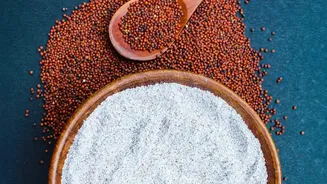
At its core, Ambali is a nourishing, porridge-like beverage made from millet flour, most commonly ragi (finger millet). It has been a staple for generations in southern states like Karnataka, Andhra Pradesh, and Telangana. The process is simple: millet flour is cooked
with water to form a gruel, which is then left to ferment, often overnight. This crucial step gives the drink its signature mild tang and unlocks a host of health benefits. Traditionally, it’s served either savoury—mixed with buttermilk, salt, and perhaps chopped shallots or green chillies—or sweet, with a bit of jaggery. It has a smooth, slightly thick texture and a light, earthy flavour.
From Farmer’s Fuel to Wellness Elixir
For centuries, Ambali was the go-to sustenance for farmers and labourers, valued for providing slow-releasing energy for a long day of physical work. Its reputation as a natural body coolant also made it an essential beverage for beating the harsh Indian summer heat. So, why is a drink once considered rustic suddenly appearing in chic city cafes? The answer lies in a powerful convergence of trends. As urban Indians become more interested in gut health, ancestral recipes, and nutrient-dense local ingredients, ancient foods like Ambali are being rediscovered and celebrated.
The Health Halo: A Probiotic Powerhouse
The secret to Ambali's modern appeal is fermentation. This natural process transforms the simple gruel into a rich source of probiotics—the beneficial bacteria essential for a healthy digestive system. Much like yoghurt or kefir, Ambali helps nourish the gut microbiome, which can improve digestion and support overall immunity. Fermentation also breaks down anti-nutrients like phytic acid found in grains, making the abundant calcium and iron in ragi more available for the body to absorb. Millets themselves are gluten-free, rich in fibre, and packed with essential minerals, making Ambali a true nutritional powerhouse.
The Great Millet Revival
Ambali's resurgence is part of a broader comeback for millets, which were once staples across India before being sidelined by the Green Revolution's focus on wheat and rice. In recent years, a renewed focus on health, sustainability, and food security has put these hardy grains back in the spotlight. Government initiatives, including the declaration of 2023 as the International Year of Millets by the United Nations, have significantly boosted awareness. This has encouraged chefs and food businesses to rediscover and innovate with these versatile grains, moving them from a 'poor man's food' to a premium wellness ingredient.
The Contemporary Cafe Makeover
While the soul of Ambali remains traditional, its presentation in urban cafes is getting a modern upgrade. Forget simple steel tumblers; today, you might find Ambali served chilled in stylish glassware, garnished with fresh herbs, or blended into innovative smoothies. Some cafes are experimenting with savoury bowls topped with everything from roasted peanuts to avocado, transforming the humble drink into an Instagram-worthy meal. By placing Ambali alongside global wellness trends like kombucha, cafes are positioning it as India's own authentic and powerful answer to the fermented beverage boom.