






The Monsoon-Microbe Connection
The magic of the monsoon—the high humidity and ambient warmth—is also magic for microbes. Bacteria, mould, and fungi flourish in damp, warm environments. During the rainy season, the air itself is laden with moisture, which can accelerate the spoilage
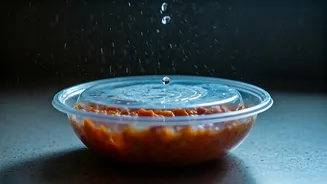
process even for food stored in the refrigerator. When you open the fridge door, humid air gets in, and condensation can form on containers, creating a perfect micro-environment for bacterial growth. Pathogens like E. coli, Salmonella, and Listeria don't need much encouragement to multiply, and the monsoon season essentially rolls out the red carpet for them, turning your delicious dal makhani or chicken curry into a potential health hazard faster than in the dry, winter months.
Why Humidity Is the Enemy
Think of humidity as a catalyst. Most foodborne bacteria need water to grow, and high humidity provides it in abundance. This moisture settles on food surfaces, packaging, and even the interior walls of your fridge. Furthermore, power cuts, a frequent frustration during Indian monsoons, can cause the refrigerator's temperature to fluctuate. Even a short period without power can allow the internal temperature to rise into the 'danger zone' (between 5°C and 60°C), where bacteria can double in number in as little as 20 minutes. The combination of ambient humidity and potential temperature instability makes storing leftovers a much riskier proposition than during other times of the year.
Safe Storage: Your First Line of Defence
Proper storage is non-negotiable, especially now. First, cool cooked food as quickly as possible before refrigerating—never leave it on the counter for more than two hours. To speed up cooling, you can divide large batches into smaller, shallow containers. Always use airtight containers. This isn't just for neatness; it prevents cross-contamination and shields your food from the humid air that enters the fridge. Glass containers are often better than plastic as they are less prone to scratches that can harbour bacteria. Label and date your leftovers so you know exactly how old they are. The golden rule is to consume most leftovers within two to three days.
The Reheating Rule You Must Follow
Simply warming up your leftovers is not enough. To ensure safety, you must reheat food until it is steaming hot all the way through, reaching an internal temperature of at least 75°C. This is crucial for killing any bacteria that may have developed during storage. While a microwave is convenient, it can heat unevenly, leaving cold spots where bacteria can survive. It's better to reheat on the stovetop, stirring frequently to ensure even heat distribution. For gravies, curries, and soups, bring them to a rolling boil for at least one minute. Never reheat the same leftovers more than once; each cycle of cooling and reheating provides another opportunity for bacterial growth.
High-Risk Foods to Watch Closely
Not all leftovers are created equal. Some foods are more susceptible to spoilage. Cooked rice is a notorious breeding ground for a bacterium called Bacillus cereus, which can produce toxins that are not destroyed by reheating. Dairy-based dishes, meat, poultry, fish, and anything containing eggs are also high-risk. Cut fruits and salads, with their high moisture content and exposed surfaces, are particularly vulnerable. During the monsoon, be extra cautious with these items. If you've ordered in, be especially mindful of how long the food was in transit and how it was packaged before you even put it in your fridge.
When in Doubt, Throw It Out
This is the most important food safety rule of all. Your senses are a good first check. If food looks or smells off, has a slimy texture, or shows any sign of mould (even a small spot), discard it immediately. Do not be tempted to taste it to check if it's okay—a tiny amount of contaminated food can be enough to make you very ill. Don't try to 'salvage' mouldy food by cutting off the bad part; mould can have invisible roots that penetrate deep into the food. Saving a few rupees' worth of leftovers is never worth risking a bout of food poisoning, which can be particularly severe during the monsoon season when our immunity can already be compromised.