

From the comforting warmth of bajra roti to the trendy appeal of a quinoa salad, ancient grains are making a powerful comeback. These nutritional powerhouses are easier to cook than you think and can effortlessly elevate your daily meals.
What Exactly Are Ancient Grains?
Ancient grains
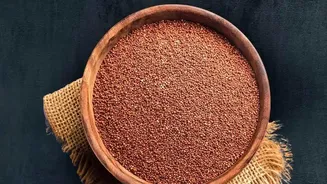
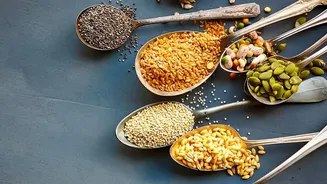
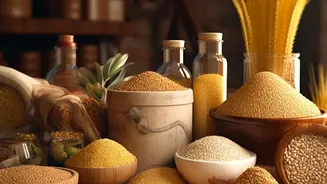
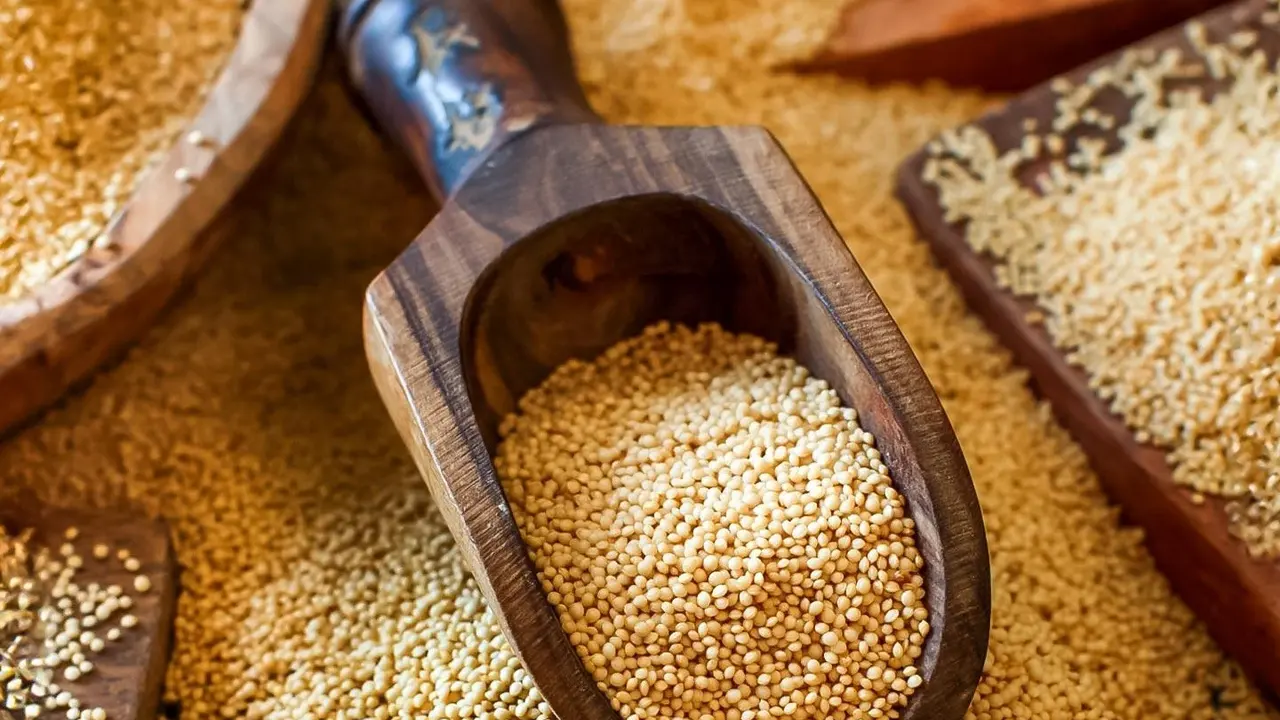
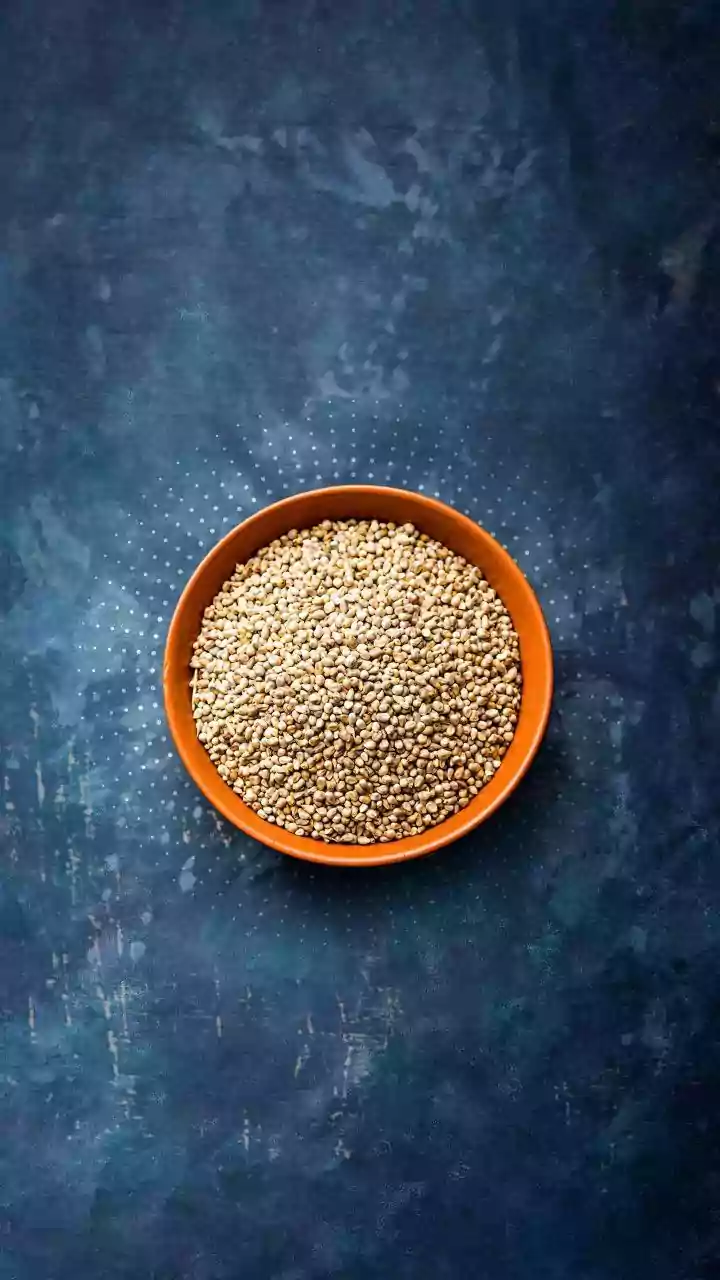
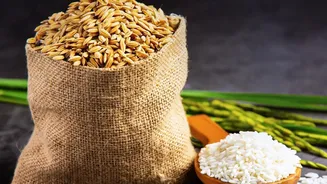
are cereals and seeds that have remained largely unchanged for centuries. Unlike modern wheat or rice, which have been extensively bred for high yields, these grains retain their original, robust nutritional profiles. In India, this 'trend' is actually a return to our roots, celebrating staples like jowar (sorghum), bajra (pearl millet), ragi (finger millet), and rajgira (amaranth) that have nourished generations. Packed with fibre, protein, vitamins, and minerals, they offer a host of health benefits, including better digestion, sustained energy release, and improved heart health.
A Guide to Popular Ancient Grains in India
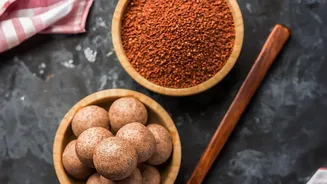
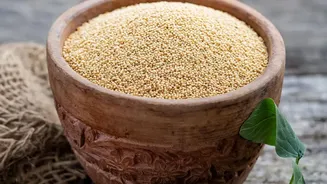
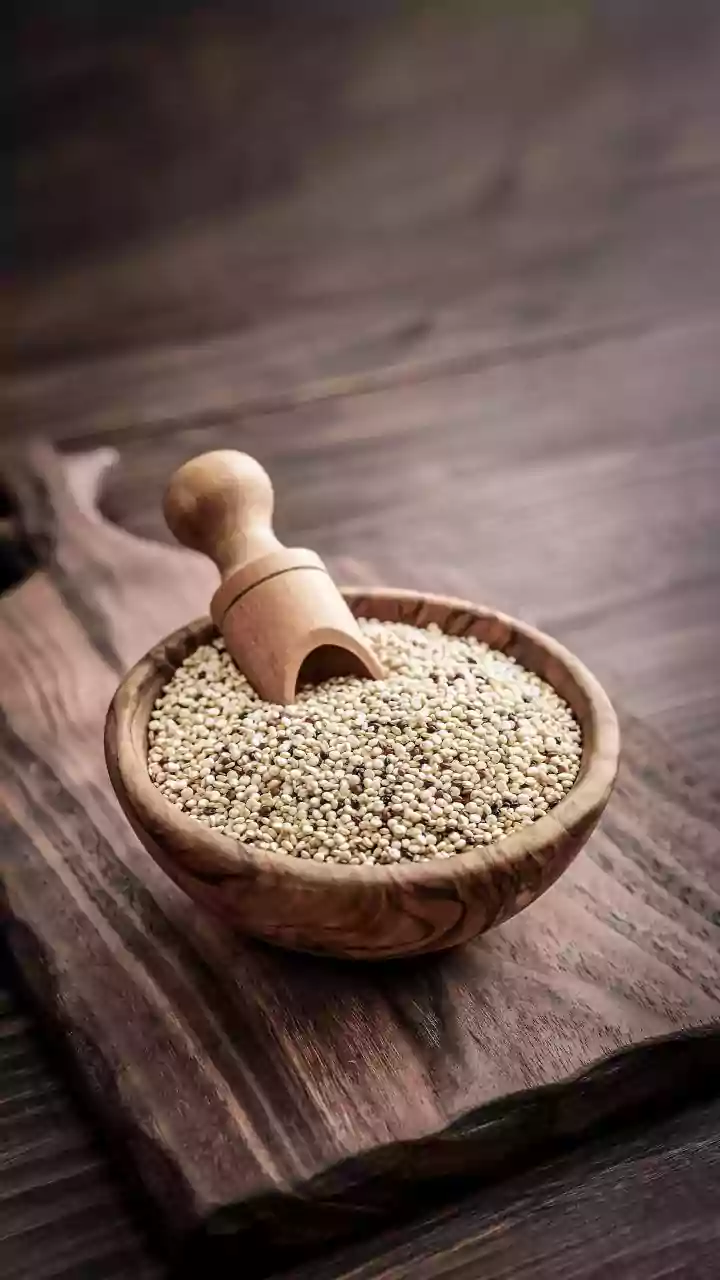
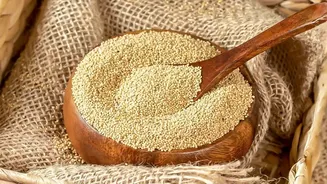
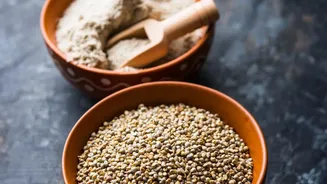
Getting started is as simple as knowing your grains. Many are already familiar staples in Indian kitchens. Jowar (sorghum) is a gluten-free grain loved for making soft rotis and is gentle on the digestive system. Bajra (pearl millet), a winter favourite, is a rich source of iron and provides warmth and energy. Ragi (finger millet) is a nutritional hero, boasting significantly more calcium than milk, making it excellent for bone health. Amaranth (rajgira), often used during fasts, is a complete protein. And quinoa, a global favourite, is also widely available and prized for its protein content and versatility in salads and upmas.
The Golden Rules of Cooking Ancient Grains
Cooking ancient grains is straightforward once you master a few basics. First, always rinse your grains, especially quinoa, in a fine-mesh sieve under cool water. This removes any natural bitterness or dust. For many grains, a standard 1:2 ratio of grain to water is a great starting point for a fluffy texture, but some may need a little more liquid. While not always necessary, soaking grains like barley or even millets for 30 minutes to a few hours can reduce cooking time and improve digestibility. For an extra layer of flavour, try toasting grains like millet in a dry pan for a few minutes until fragrant before adding water. A pressure cooker or a rice cooker set to the 'white rice' setting can also make the process foolproof for quicker-cooking grains like millet and buckwheat.
Easy Ways to Add Them to Your Diet
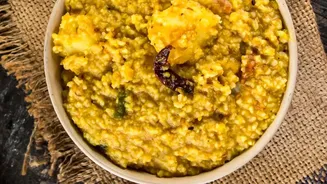
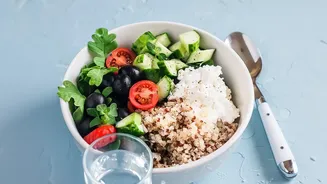
You don't need complicated recipes to enjoy ancient grains. Start simple by replacing a portion of white rice with cooked millet or quinoa in your next meal. Use them as a hearty base for a vegetable pilaf or a refreshing salad. Cooked grains can be stirred into dals and soups to add thickness and a nutritional boost. For a healthy breakfast, make a simple porridge with ragi or a mix of millet and quinoa, topped with nuts and fruits. You can also incorporate ancient grain flours like jowar, bajra, or ragi to make nutrient-dense rotis, cheelas, or dosas, a traditional practice that adds immense value to everyday meals.