



The National Context: What Is This 'Nutrition Push'?
The 'nutrition push' refers to a concerted effort by the Indian government to combat malnutrition, most visibly through initiatives like Mission Saksham Anganwadi and Poshan 2.0. Launched by the Ministry of Women and Child Development, this integrated
program aims to improve nutritional outcomes for children, pregnant women, and lactating mothers. It combines several older schemes into one umbrella to streamline efforts, focusing on the critical first 1,000 days of a child's life. The mission uses technology like the 'Poshan Tracker' app for real-time monitoring and emphasizes community participation to foster behavioural change toward healthier eating habits.
The Silent Crisis: Why This Matters So Much
Despite economic progress, India faces a significant malnutrition challenge. According to the National Family Health Survey (NFHS-5), 35.5% of children under five are stunted (too short for their age) and over 67% are anaemic. This isn't just about hunger; it's also about 'hidden hunger', a deficiency in essential vitamins and minerals that can impair growth, cognitive development, and immunity. Deficiencies in iron, Vitamin D, Vitamin B12, and zinc are widespread among Indian children. These statistics represent millions of children whose future potential is at risk, making this nutrition push a critical national priority.
Decoding Protein: The Body's Building Blocks
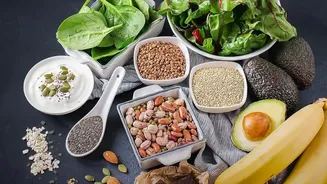
Protein is a headline nutrient for a reason. It is essential for growth, repairing tissues, building muscle, and supporting a healthy immune system. For children, who are in a constant state of growth, adequate protein is non-negotiable for physical and brain development. A lack of protein can lead to fatigue, poor concentration, and slowed growth. For Indian families, this doesn't have to mean expensive supplements. Excellent sources are readily available in dals, legumes (like chana and rajma), paneer, eggs, milk, yogurt, and, for non-vegetarians, chicken and fish.
The Power of Variety: Eating the Rainbow
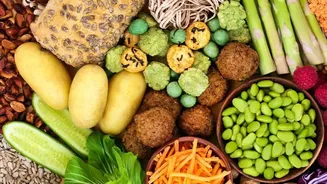
While staples like roti and rice provide energy, a child's diet needs to be diverse to provide all the essential micronutrients. This is where variety comes in. Eating a wide range of foods ensures a better intake of vitamins and minerals, which fight off infections and support bodily functions. The principle is simple: add more colour to your child's plate. This means including a variety of seasonal vegetables and fruits. A meal with dal, rice, a green vegetable (like spinach or bhindi), and a side of carrot or cucumber salad is far more nutritious than just dal and rice. Don't forget healthy fats from sources like ghee, nuts, and seeds, which are crucial for brain development.
Putting It All Together: The Balanced 'Thali'
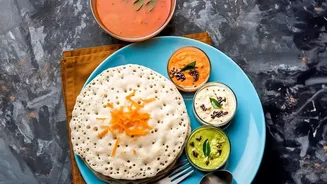
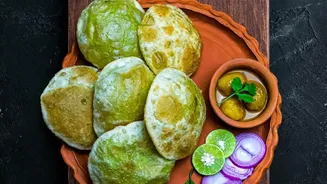
The concept of a balanced meal is perfectly encapsulated by the traditional Indian thali. A simple rule of thumb for a child's plate is to visually divide it. Aim for about 40% from grains (roti, rice, poha), 20% from protein (dal, paneer, egg), 30% from vegetables and fruits, and 10% from healthy fats and dairy (ghee, curd). This ensures a mix of macronutrients for energy and growth, and micronutrients for protection. Three structured meals and two healthy snacks per day help maintain energy levels and prevent children from filling up on unhealthy junk food.
Practical Tips for Parents
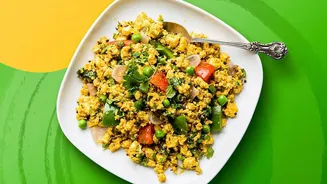
Incorporating these principles doesn't require a complete kitchen overhaul. Start with small, manageable changes. Swap packaged biscuits for snacks like roasted chana, makhana, or a piece of fruit. Grate vegetables like carrots or zucchini into paratha dough or khichdi to increase vegetable intake for picky eaters. Make mealtimes a positive, screen-free family experience. Research shows that children may need to be exposed to a new food 10-15 times before they accept it, so be patient and persistent without forcing the issue. By modeling healthy eating habits, parents can set their children up for a lifetime of good health.